Non-Surgical Rhinoplasty Aftercare: What to Do and Avoid
 By Mahmoud Mohamed Samir · Published 21 September 2026 · 5 min read
Key takeaways
- Non-surgical rhinoplasty aftercare deserves particular attention, since the nose is one of the more delicate areas for filler.
- Mild swelling and tenderness along the nose are normal and typically settle within a few days.
- Avoid pressing on, massaging, or wearing tight glasses on the nose for at least a week.
- Avoid strenuous exercise, bending over, and hot environments for 24-48 hours to reduce swelling risk.
- Because filler sits close to important blood vessels here, contact the clinic immediately if you notice unusual pain, discolouration or blanching.
- Results settle fully over about two weeks as any initial swelling resolves.
Non-surgical rhinoplasty aftercare deserves particular attention, since the nose is one of the more delicate areas for filler, and following the guidance closely protects both your result and your safety.
For patients in the Maldives this also means being careful with sun, sea swimming and heat in the first days after treatment, since all three can worsen swelling around a freshly treated nose, and island life often means more time outdoors and in the water than a typical week at home.
Want the full Treatment Guide?
A plain-language guide to choosing the right treatment, what downtime really looks like, and how to prepare for your first visit, unlocked instantly, no waiting.
Right after treatment
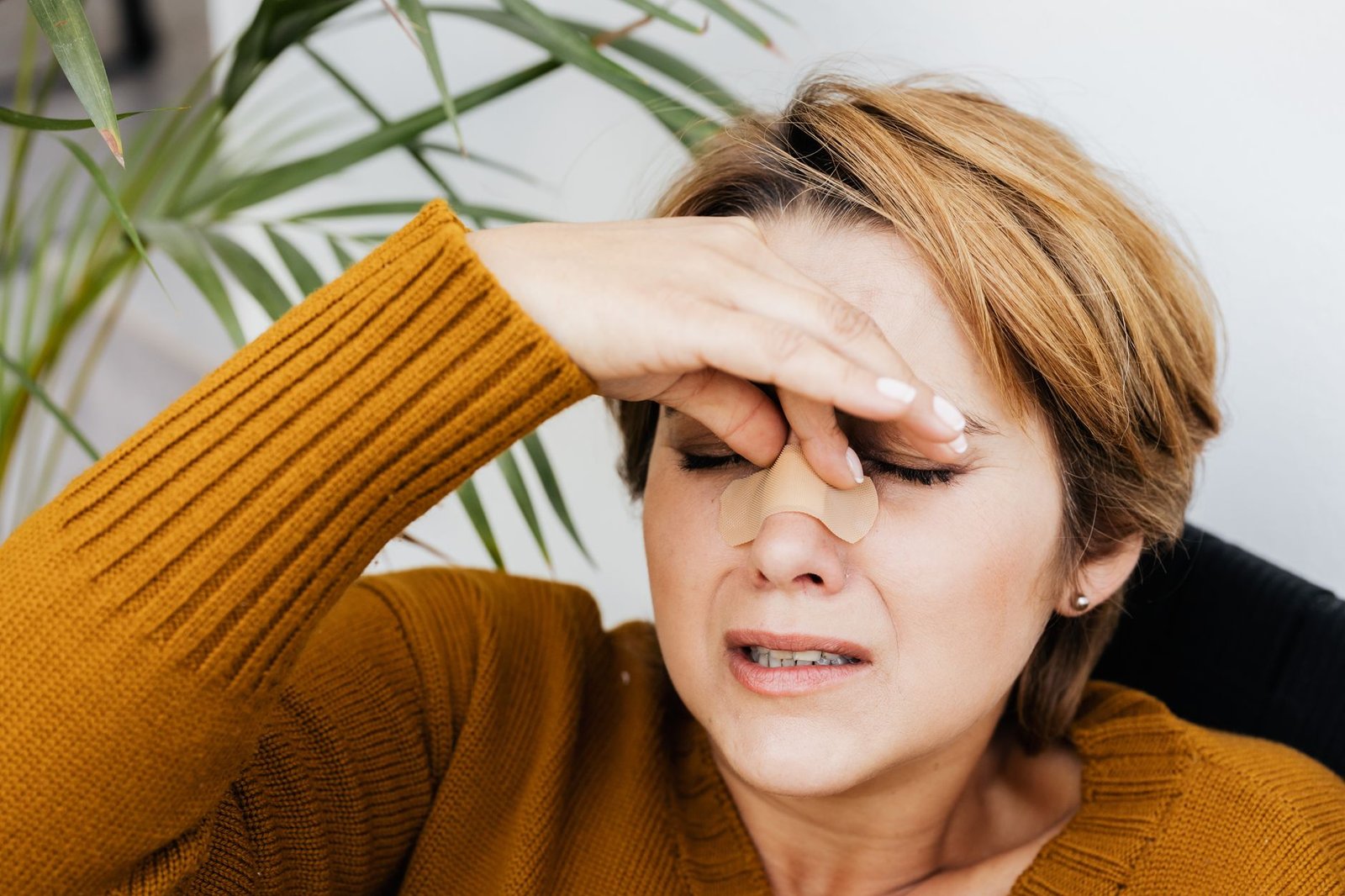
Mild swelling and tenderness along the treated area are normal and typically settle within a few days as the filler integrates and surrounding tissue adjusts. Some patients also notice slight asymmetry or firmness immediately after treatment; this is usually swelling rather than the final shape, and it eases as the days pass.
Non-surgical rhinoplasty aftercare: what to avoid in week one
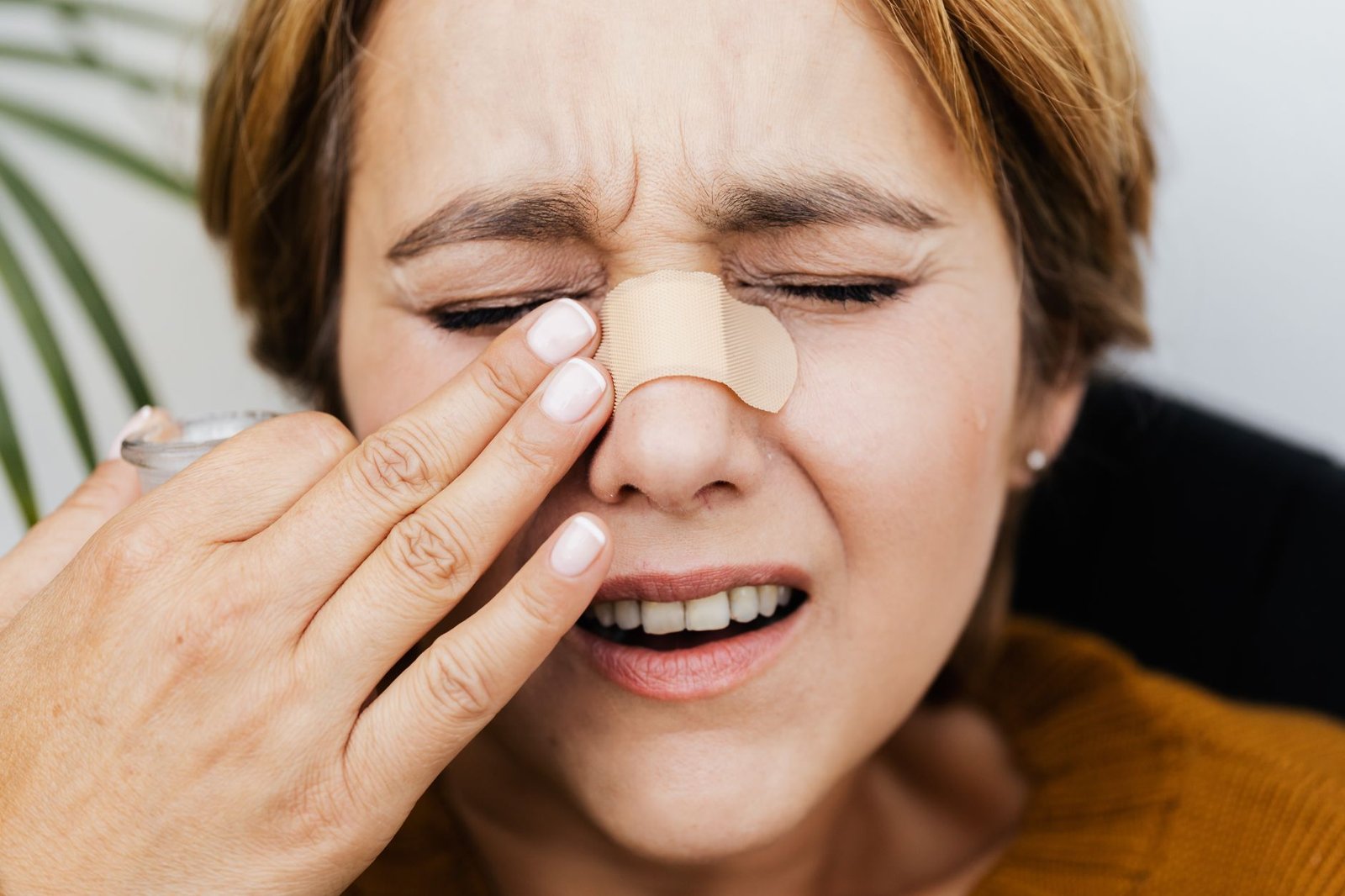
Avoid pressing on, massaging, or wearing tight-fitting glasses on the nose for at least a week, since sustained pressure on the area can distort the precise contour that has been created. If you normally wear glasses, resting them lower on the nose, using a nose-pad adjustment, or switching to contact lenses temporarily can help avoid unnecessary pressure on the bridge.
The first 24-48 hours
Avoid strenuous exercise, bending over for extended periods, and hot environments like saunas or steam rooms, since these increase blood flow and swelling to the treated area. Sleeping slightly propped up on an extra pillow for the first night or two can also help minimise overnight swelling.
Sun, heat and sea water in the first days
Give the treated area a few days away from direct midday sun, prolonged heat and sea or pool water, since all three can increase swelling and irritation around a freshly injected area. The Maldives’ year-round heat and strong UV mean this matters more here than it might in a cooler climate, so it is worth planning any beach days, diving or snorkelling trips around your appointment rather than immediately after it. Daily sunscreen on the nose also helps protect the overlying skin while any residual swelling settles.
A genuine safety note
Non-surgical rhinoplasty is performed close to important blood vessels supplying the tip and skin of the nose, and while serious complications are rare in experienced hands with careful technique, they are also the reason this treatment should only ever be carried out by a suitably trained practitioner. Any unusual or worsening pain, discolouration, mottling, or skin blanching after treatment should prompt an immediate call to the clinic rather than waiting to see if it resolves, since early recognition and treatment of a vascular problem meaningfully changes the outcome.
How the result settles
Most of the initial swelling resolves within the first few days, but the final, settled shape is usually best judged at around two weeks, once any residual puffiness has fully gone down. It is common for the nose to look very slightly different day to day during this window; this is normal and not a sign that anything has gone wrong.
Still deciding what's right for you?
Get instant access to the full Treatment Guide, concerns, downtime, aftercare, and what to expect at your first visit.
Frequently asked questions
How long does swelling last?
Typically a few days, with the final result settling over about two weeks.
Can I wear glasses afterward?
It is best to avoid resting glasses directly on the treated area for at least a week; adjusting the fit or using contact lenses temporarily can help.
What should I do if something feels wrong?
Contact the clinic immediately if you notice unusual pain, discolouration or blanching – do not wait to see if it resolves on its own.
Can I go swimming or snorkelling soon after treatment?
It is best to wait a few days and let any swelling settle before returning to the sea or a pool, since salt water, chlorine and sun exposure can all aggravate a freshly treated nose.
Is some asymmetry after treatment normal?
Mild, temporary asymmetry from swelling is common in the first few days and usually resolves as the area settles; persistent asymmetry after two weeks is worth discussing at a follow-up.
Related reading: Non-Surgical Rhinoplasty Cost in the Maldives · Non-Surgical Rhinoplasty Maldives: The 15-Minute Nose Reshape
Sources & further reading
- American Academy of Dermatology: Fillers overview
- PMC: Filler-induced vascular occlusion of the columellar artery, case report and literature review
If anything feels unusual after non-surgical rhinoplasty, contact the clinic on WhatsApp immediately and Dr. Alaa will advise you. You can also read more here: non-surgical rhinoplasty treatment page, non-surgical rhinoplasty treatment guide, dermal filler aftercare guide, dermal fillers explained, or get in touch.
Mahmoud Mohamed Samir is a digital marketing specialist at BrightSeen Marketing Agency, the agency that runs this clinic’s Google search and AI search visibility (SEO and GEO), Meta Ads and website. Medical content is reviewed by Dr. Alaa Zidan.
This article is for educational purposes and is not a substitute for personal medical advice. To discuss your skin and treatment options, please book a consultation.
Have a question about this?
Send a photo and a short note on WhatsApp for an honest treatment recommendation from Dr. Alaa.