
Your Guide to Aesthetic Treatments in the Maldives
A plain-language guide to choosing, understanding and recovering from aesthetic treatments, written by Dr. Alaa Zidan for patients in Hulhumalé and greater Malé.
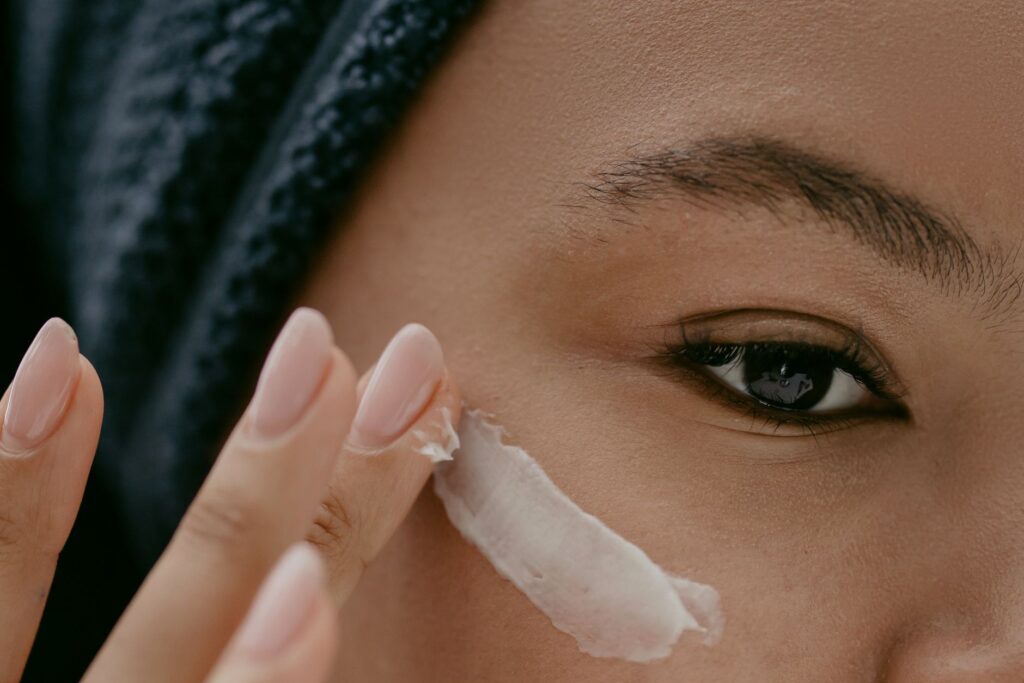
Start with the concern, not the treatment
Most people arrive at a clinic already having decided on a treatment name they saw online. The more useful starting point is the concern itself — what you actually see in the mirror — because several different treatments can often address the same thing, with very different cost, downtime, and commitment involved.
Below is a simple way to think about the most common concerns we see:
- Fine lines from expression (forehead, between the brows, around the eyes), a heavier jawline from teeth grinding, or excessive sweating all respond to the Botox family — forehead Botox, masseter Botox for jaw slimming, the Nefertiti lift for the neck and jawline, and Botox for hyperhidrosis or migraine.
- Volume loss (flatter cheeks, thinner lips, hollow under-eyes, a less defined jawline or chin) is structural, not a movement issue, so it calls for dermal filler — cheek, lip, tear trough, or jawline & chin filler — or, for the nose specifically, non-surgical rhinoplasty.
- Stubborn fat under the chin that diet and exercise won’t shift usually calls for fat dissolving injections rather than filler or surgery.
- Uneven tone, dullness, or early sun damage is a skin-quality concern, addressed with chemical peels (including the gentler cold peel), microneedling, or skin boosters rather than injectables.
- Dehydrated, tired-looking skin that has lost its bounce often responds well to regenerative skin boosters such as Profhilo, PDRN, or mesotherapy, which work on skin quality rather than volume.
- Thinning hair or a receding hairline in its early stages often responds to exosome therapy, PRP, or GFC, which work with the scalp’s own biology rather than adding volume artificially.
- Acne scarring, keloid or raised scars, or stubborn pigmentation (melasma, dark spots) usually need a longer-term plan combining treatments like TCA CROSS, scar management, or targeted laser with a consistent home skincare routine.
- Pigmentation, redness, or an unwanted tattoo is typically a job for a laser device — Nd:YAG or Q-switched laser for pigment and ink, fractional laser or RF for texture and tightening, and carbon laser peel for oily, congested skin.
- Unwanted hair or a bothersome skin tag is addressed with laser hair removal or straightforward in-clinic skin tag removal, not a skincare routine.
What “downtime” actually means, treatment by treatment
“Downtime” gets used loosely online, so here is what it actually looks like in practice for the treatment categories above:
- Botox (forehead, masseter, Nefertiti lift, hyperhidrosis, migraine): no real downtime. Mild redness at injection points for under an hour. Full effect takes 7–14 days to settle.
- Dermal filler (cheek, lip, tear trough, jawline & chin) and non-surgical rhinoplasty: possible swelling or bruising for 2–5 days, more noticeable in the lips than the cheeks or jawline. Avoid intense exercise for 24–48 hours.
- Fat dissolving injections: swelling and firmness at the treated area for several days to around two weeks while it settles, more pronounced than with filler.
- Chemical peels (including cold peel): depends entirely on depth. A light peel means mild flaking for 2–3 days; a deeper peel can mean visible peeling for up to a week and sun avoidance is non-negotiable during recovery.
- Microneedling and skin boosters (Profhilo, PDRN, mesotherapy): redness similar to mild sunburn for 24–48 hours, small bumps at injection points that flatten within a day, then normal makeup and routine resume.
- Laser devices (Nd:YAG, Q-switched, fractional laser/RF, carbon laser peel): redness lasting a few hours to a few days depending on intensity; strict daily sun protection is essential afterward in our climate.
- Laser hair removal: mild redness or follicle bumps for a few hours, similar to a light sunburn.
- Laser tattoo removal: redness, swelling, or brief blistering at the site; full clearance is gradual, with healing time needed between sessions.
- TCA CROSS, keloid treatment, and scar management: small scabs form at the treated points and shed over several days; consistent sun protection reduces the risk of temporary darkening.
- Exosomes / PRP / GFC for hair: no visible downtime, occasional mild scalp tenderness for a day. Results are gradual — think months, not weeks, and consistency across sessions matters more than any single visit.
Five questions worth asking before you book anything
- Is this concern something a treatment can realistically improve, or is it better managed with skincare and time?
- What happens if I do nothing this month — is there urgency, or can I take time to decide?
- Who is actually performing the treatment, and what is their medical background?
- What does a realistic result look like on someone with my skin type and concern, not a best-case example?
- What is the full cost across the number of sessions actually needed, not just the first one?
Aftercare basics that apply to almost everything
Regardless of which treatment you choose, a few habits make a real difference to how well it settles and how long it lasts:
- Sun protection is not optional. Daily SPF, reapplied outdoors, protects both the investment and the skin underneath it — especially relevant living so close to the equator.
- Avoid stacking treatments too close together. Give your skin time to fully settle from one treatment before starting another, even if you are impatient for results.
- Hydration and sleep genuinely affect healing speed. It sounds obvious, but it is the single most overlooked factor in how quickly redness or swelling resolves.
- Follow the specific aftercare sheet you’re given rather than generic advice from social media — timelines vary by treatment and by individual skin.
A realistic first-visit checklist
Before your first consultation, it helps to have thought through:
- The one or two concerns that bother you most — not a long wish list.
- Any previous treatments, even from other clinics, and roughly when they were done.
- Any medications, skin conditions, or allergies worth mentioning upfront.
- A realistic budget range, so the conversation stays honest rather than aspirational.
A good first consultation should leave you with a clear plan, an honest cost estimate, and no pressure to book on the spot. If it doesn’t, that is worth noticing.
Have a specific concern?
Send Dr. Alaa a photo and a short note on WhatsApp for an honest, no-pressure recommendation.
Message on WhatsAppGuides by Treatment
Start with the area, then go deeper on the specific treatment – what it is, who it suits, and what to expect.
Have Dr. Alaa come back to you
Leave your name and a WhatsApp number or email, and Dr. Alaa replies personally. No cost, and no obligation to book.