Microneedling for Acne Scars: What Results to Expect
 By Mahmoud Mohamed Samir · Published 10 August 2026 · 2 min read
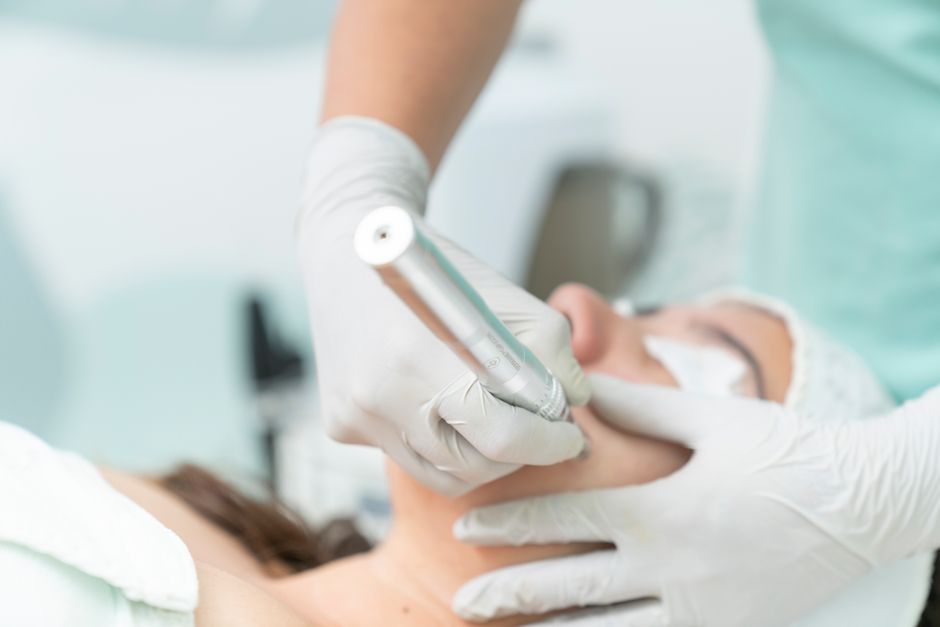
Acne scars respond to microneedling more reliably than to most skincare products, because the treatment works below the surface where scar tissue actually forms, rather than just addressing surface texture.
Why acne scars are hard to treat topically
Most acne scarring involves a loss or disruption of collagen beneath the skin, creating the shallow depressions known as atrophic scars (boxcar, rolling and ice-pick types are the most common). Topical products can improve tone and texture, but they cannot rebuild the collagen structure that gives skin its smoothness, which is why deeper, structural treatments are usually needed for real improvement.
Want the full Treatment Guide?
A plain-language guide to choosing the right treatment, what downtime really looks like, and how to prepare for your first visit, unlocked instantly, no waiting.
How microneedling addresses scarring
Microneedling creates controlled micro-injuries in the skin using fine needles, triggering the body’s own collagen and elastin production as part of the healing response. Over a course of sessions, this gradually remodels scar tissue and improves surface texture. It works on all Fitzpatrick skin types without the pigmentation risk that some laser treatments carry, which matters for the mix of skin tones we see in the Maldives. Read more on our microneedling page.
What results actually look like
Improvement is gradual and cumulative rather than immediate. Most patients need a course of four to six sessions spaced four to six weeks apart, with visible improvement in texture and depth building over several months as new collagen forms. Microneedling improves the appearance of scarring; it does not erase it completely, and we set that expectation clearly before starting.
Combining treatments for better results
For some patients, combining microneedling with chemical peels or exosome serums improves outcomes further, since each addresses a slightly different part of the skin’s healing response. This is decided based on scar type and skin condition, not applied as a default add-on.
Who is a good candidate
Most patients with atrophic acne scarring are candidates, though active acne should generally be brought under control first, since treating inflamed, active breakouts alongside scarring can worsen irritation.
Still deciding what's right for you?
Get instant access to the full Treatment Guide, concerns, downtime, aftercare, and what to expect at your first visit.
Frequently asked questions
How many sessions will I need for acne scars?
Most courses involve four to six sessions, though this varies with scar depth and skin condition, reassessed at each visit.
Is microneedling painful?
A topical numbing cream is applied beforehand, reducing sensation to a mild prickling. Most patients tolerate it well.
Can microneedling treat active acne too?
It is generally used once active breakouts are controlled, since microneedling on inflamed skin can increase irritation.
Is microneedling safe for darker skin tones?
Yes, it carries a low risk of triggering pigmentation change compared to some laser treatments, which is one reason it is a preferred option for scarring in tanned or darker skin.
Related reading: Acne Treatment in the Maldives: In-Clinic and At-Home Options
Mahmoud Mohamed Samir is a digital marketing specialist at BrightSeen Marketing Agency, the agency that runs this clinic’s Google search and AI search visibility (SEO and GEO), Meta Ads and website. Medical content is reviewed by Dr. Alaa Zidan.
Have a question about this?
Send a photo and a short note on WhatsApp for an honest treatment recommendation from Dr. Alaa.