
Non-surgical rhinoplasty in the Maldives
Filler used to smooth a dorsal bump, refine the tip or improve nose symmetry, without surgery or downtime, offered in Maldives. Not a replacement for surgical rhinoplasty, but a conservative option for the right candidate.
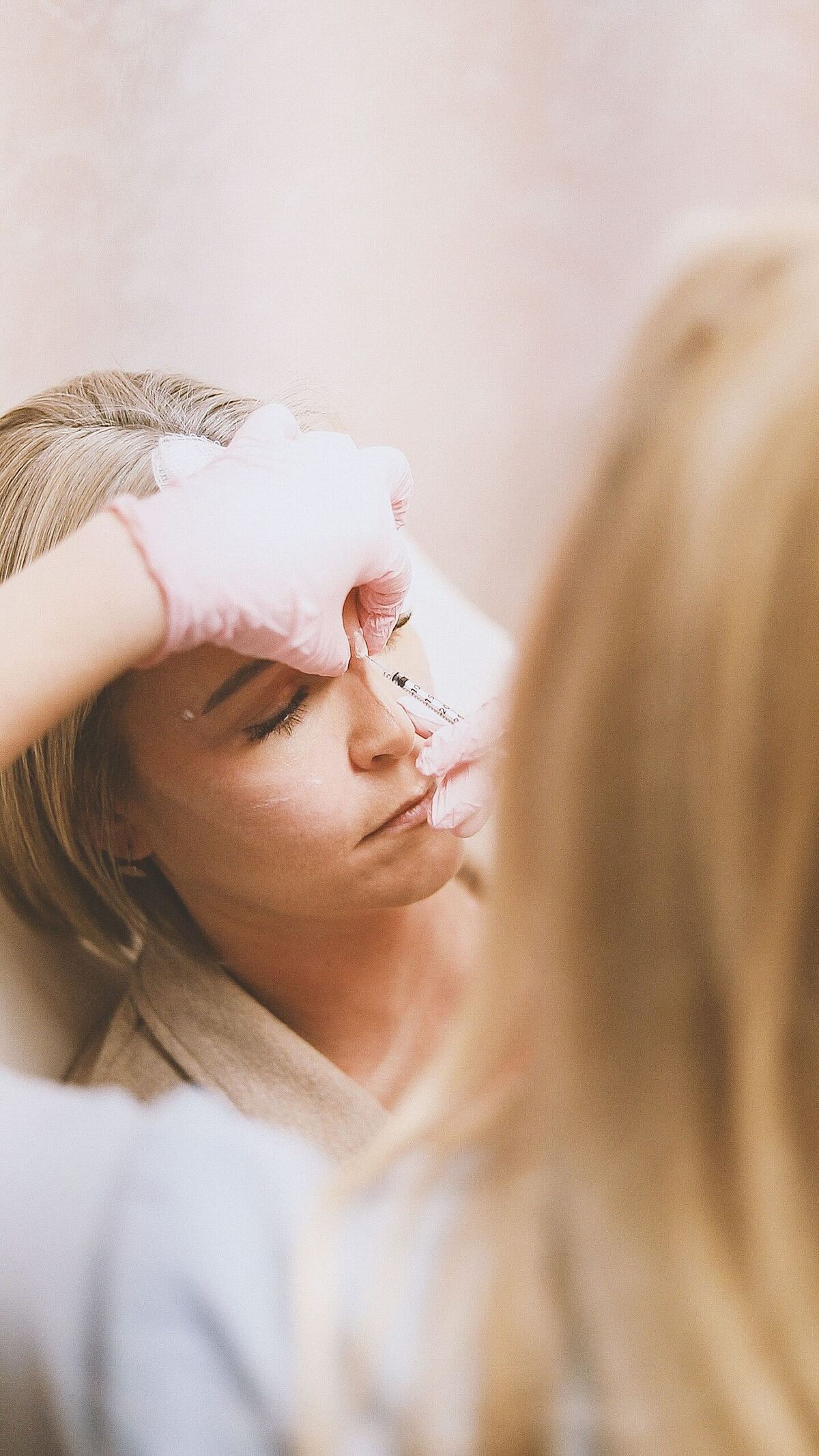
How it works
Small amounts of filler are placed to smooth irregularities or improve symmetry along the bridge and tip of the nose.
Who it suits
Those with a minor dorsal bump or asymmetry, not seeking a smaller nose or a change to breathing function, which this treatment cannot address.
Session and aftercare
Around 30 minutes. Mild swelling can occur; results are visible almost immediately once swelling settles.
Non-surgical rhinoplasty Maldives: cost and booking in Hulhumalé
Dr. Alaa Zidan offers non-surgical rhinoplasty in the Maldives at Life Care Medical Center in Hulhumalé, a short drive from Malé. The cost depends on the amount of filler needed to reshape the bridge or tip, which is usually a small volume, and the full figure is explained at consultation before anything is booked.
Nose filler in the Maldives can smooth a bump or lift a drooping tip but cannot make a nose smaller, and non-surgical rhinoplasty cost is usually far lower than surgery because only a small volume is used. For the step-by-step background before you book, read our non-surgical rhinoplasty guide, or send Dr. Alaa a photo and your question on WhatsApp.
What results look like over time
The result is visible immediately after treatment, with any minor swelling settling within about a week.
Often paired with
Usually a standalone, precisely mapped treatment rather than paired with other injectables in the same visit.
Who might want to wait
If you are hoping to reduce the overall size of your nose or fix breathing-related structural issues, this treatment cannot do that, and Dr. Alaa will refer you toward a surgical opinion instead of overpromising.
Common myth
“Is this permanent, like surgery?” – No, it is filler-based and temporary, typically lasting 12-18 months, which makes it a lower-commitment way to preview a change.
Further reading
Not sure if Non-Surgical Rhinoplasty in the Maldives is right for you?
Send a few details and Dr. Alaa will get back to you personally on WhatsApp or email, no obligation.
This page is for education and is not a substitute for personal medical advice. Suitability, risks and results are assessed at consultation.
Related treatments
Frequently asked questions
What is non-surgical rhinoplasty?
Non-surgical rhinoplasty uses dermal filler to smooth bumps, refine the tip or improve symmetry along the nasal bridge, offering a temporary alternative to surgical reshaping.
Can this make my nose smaller?
No, filler adds volume so it can smooth or camouflage, but it cannot reduce the size of your nose.
Is it safe?
It is generally low-risk in experienced hands, though the nose has a more complex blood supply than most filler areas, which is why careful technique matters.
How does it compare to surgery?
It is temporary, reversible and has no downtime, but has real limits compared with what surgery can achieve.
Who is not a good candidate?
Anyone wanting a smaller nose, needing functional correction, or with significant structural concerns should discuss surgical options instead.