Hair Restoration Results Timeline: When Regrowth Actually Shows
 By Mahmoud Mohamed Samir · Published 20 September 2026 · 10 min read
Key takeaways
- A realistic hair restoration results timeline is measured in months rather than weeks: most people notice the first honest change somewhere between three and six months after starting treatment.
- The earliest sign of progress is usually less hair in the shower drain, then fine new hairs along the hairline or parting, and only later a visible change in overall density.
- PRP and GFC are normally given as a course of three or four sessions about a month apart, and published trials assess hair density at three and six months, not after a single session.
- Exosome therapy for hair is promising in the laboratory, but human evidence is still early, so we set expectations carefully and review progress with standardised photographs.
- These treatments protect and improve the hair you still have. They cannot recover follicles that have scarred over or disappeared years ago.
The question we are asked most often in our Hulhumalé clinic is not what a treatment costs, but when it will actually work. The honest answer is that a hair restoration results timeline follows the hair growth cycle, and that cycle moves at its own pace. Scalp treatments do not create hair on demand; they improve the environment around follicles that are still alive and nudge them back into their growing phase.
Below is what we tell our patients to expect month by month, across the treatments we use most often – platelet-rich plasma (PRP), growth factor concentrate (GFC), exosome therapy and medical treatment such as topical minoxidil. We have also set out the early signs that something is working before anything is obvious in the mirror, and the situations where more patience will not change the outcome.
Why a hair restoration results timeline is measured in months
Every follicle on your scalp cycles independently. It spends years in a growing phase (anagen), a short transition phase, and then roughly three months resting (telogen) before the old hair is shed and a new one begins. Scalp hair grows on average about one centimetre a month, which sets a hard limit on how quickly any treatment can show itself.
This is why a single session cannot be judged. Even when a treatment works exactly as intended on the day, the follicle still has to finish resting, re-enter growth, and then push a hair far enough out of the scalp to be seen. Three months is the earliest sensible review point. Six months is the first fair verdict.
Early shedding is common and rarely a failure
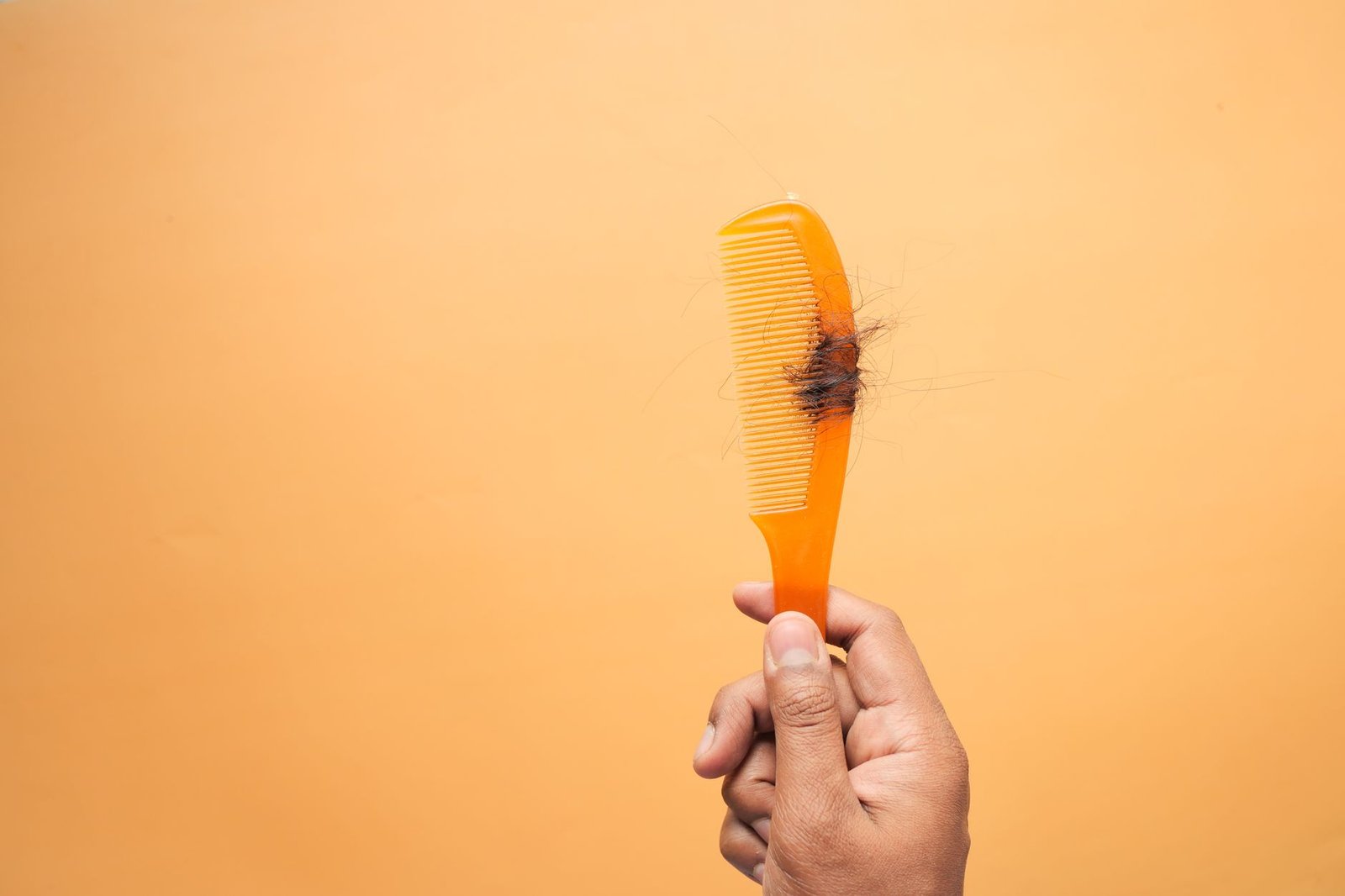
Some patients shed more than usual in the first two to eight weeks. With topical minoxidil this is well recognised and expected: resting hairs are pushed out in a synchronised wave to make room for new growth, and the shedding settles as regrowth begins. It is unsettling, but it is not a sign that treatment has failed. What we do want to hear about is heavy shedding that continues past about eight weeks, because that usually points to a separate cause worth investigating.
Want the full Treatment Guide?
A plain-language guide to choosing the right treatment, what downtime really looks like, and how to prepare for your first visit, unlocked instantly, no waiting.
Month by month: what to expect
Weeks 0 to 4
Nothing visible, and that is normal. After injectable treatments the scalp may feel tender or slightly swollen for a day or two. This is when we take baseline photographs in fixed positions and lighting, because they become the only reliable comparison later.
Months 1 to 3
Shedding usually settles first. Many patients notice less hair on the pillow and in the shower before they notice anything on their head. On close inspection there may be short, fine hairs along the parting or temples. Overall density normally looks unchanged at this stage.
Months 3 to 6
This is where a hair restoration results timeline becomes visible. Hair tends to feel thicker in the hand, the parting looks narrower, and styling takes less effort. Trials of PRP for pattern hair loss measure improvements in hair density at exactly these intervals, which matches what we see in clinic.
Months 6 to 12
By six to twelve months most of the hair restoration results timeline has played out, and it becomes a sensible point to decide on maintenance. For medical treatment, dermatology guidance is to allow six to twelve months before judging whether a drug is working for you at all.
How the timeline differs between treatments
PRP and GFC
Both concentrate growth factors from your own blood and are given as a course, typically three or four sessions about a month apart, followed by maintenance every four to six months. A meta-analysis of randomised trials found that PRP increased hair density compared with placebo at three and six months, with no serious adverse effects reported. Expect a gradual curve, not a step change.
Exosome therapy
Exosomes are signalling vesicles that appear, in laboratory work, to stimulate the cells that govern hair growth. Reported timelines are broadly similar to PRP, but we are careful here: reviews of the published human studies describe the clinical evidence as preliminary, with small numbers and a need for consistent manufacturing standards. We are happy to offer it, and equally happy to say plainly what it has and has not been shown to do.
Minoxidil and prescription treatment
Topical minoxidil is slow and unglamorous, and it remains one of the most reliable options we have. Allow six to twelve months to judge it. It is also conditional: results fade over the following months if you stop. Prescription options such as oral finasteride are appropriate for some men and are not suitable for women who are or may become pregnant, so they are always a consultation decision rather than a shelf purchase.
Combining treatments
In practice the best results usually come from combining an in-clinic course with a daily topical treatment. The in-clinic sessions provide the concentrated stimulus; the daily treatment holds the ground between sessions. Consistency at home is, honestly, the single biggest variable we see.

What can slow your results down
When someone reaches six months with no change at all, there is usually a reason, and it is often not the treatment itself. A few things reliably stretch a hair restoration results timeline.
- An undiagnosed driver. Iron deficiency, thyroid disease, recent illness, rapid weight loss and some medications all cause shedding that will keep pace with anything we do until it is corrected.
- Missed sessions. A course spread over six months instead of three loses much of the cumulative effect.
- Sun, salt and sweat. A thinning scalp is exposed skin. Daily sun on the parting, long swims in sea or pool water, and hours of trapped sweat under a cap or helmet all irritate the scalp and make inflammation harder to settle.
- Comparing the wrong photographs. Different lighting, different angle, wet versus dry hair – this is the most common reason patients believe nothing is happening when the clinical photographs say otherwise.
The Maldives factor
Living here adds a few practical points. UV levels are high all year, so a hat or a scalp sunscreen matters more than it would elsewhere, particularly on a widening parting. Rinse the scalp with fresh water after sea or pool swims rather than letting salt or chlorine dry on the skin. If you work outdoors or wear a helmet daily, wash more often rather than less; a scalp left damp and occluded in this humidity tends to become itchy and flaky, which is uncomfortable in its own right and makes it harder to tell what your treatment is doing.
How we track progress honestly
We use standardised photographs from fixed positions, a gentle hair pull test, and trichoscopy to look at follicle openings and hair calibre under magnification. Measuring the width of the central parting is a simple, surprisingly reliable marker in female pattern hair loss. None of this is glamorous, but it is what keeps a hair restoration results timeline honest and separates a real change from a good hair day.
When more time will not help
Regenerative treatments work on follicles that are still present but underperforming. Where the scalp is smooth and shiny with no visible follicular openings, or where scarring alopecia has destroyed the follicle, no number of sessions will bring hair back, and we will say so at the consultation rather than after six months of treatment. In those situations the discussion moves to surgical options, and our comparison of hair transplant versus regenerative therapy is a good place to start.
If you are unsure where you sit on this hair restoration results timeline, send a photo of your parting and a short note on WhatsApp and Dr. Alaa will reply with honest guidance. You can also read more on our hair and scalp restoration page, our exosome hair therapy page, or our guides to what causes hair loss and PRP versus exosomes for hair. If you would rather talk it through first, get in touch and we will arrange a consultation.
Still deciding what's right for you?
Get instant access to the full Treatment Guide, concerns, downtime, aftercare, and what to expect at your first visit.
Frequently asked questions
How soon will I see hair growth after PRP?
In a typical hair restoration results timeline, patients notice reduced shedding within one to two months and a visible change in density between three and six months. A single session is not enough to judge; the published trials measure results after a course.
Is shedding after I start treatment a bad sign?
Usually not. A temporary increase in shedding in the first two to eight weeks is well described, particularly with minoxidil, and it settles as new hairs come through. Shedding that continues beyond about eight weeks should be reviewed.
How many sessions before I decide whether it is working?
For PRP or GFC, complete the initial course of three to four sessions and review at three and six months with comparable photographs. For a daily topical treatment, allow six to twelve months.
Will I keep the results if I stop?
Not indefinitely. Pattern hair loss is progressive, so these treatments manage it rather than cure it. Most people need maintenance sessions every four to six months, and topical treatment is only effective while it is being used.
Can I speed the timeline up?
Nothing shortens a hair restoration results timeline, because you cannot outrun the hair cycle. You can avoid slowing it down, though: keep to the session schedule, use your home treatment daily, correct any iron or thyroid problem, and protect the scalp from constant sun and trapped sweat.
Does the Maldives climate change what I should expect?
The timeline itself is the same anywhere. What changes is scalp care – high year-round UV, sea and pool water, and heavy sweating make sun protection and regular gentle washing more important here than in a cooler climate.
Related reading: Exosome Hair Therapy: Who Is a Good Candidate
Sources & further reading
- American Academy of Dermatology: Hair loss: Diagnosis and treatment
- DermNet: Male pattern hair loss (androgenetic alopecia, balding)
- PMC: Is autologous platelet-rich plasma capable of increasing hair density in patients with androgenic alopecia? A systematic review and meta-analysis of randomized clinical trials
- PMC: A Scoping Review of Exosome Delivery Applications in Hair Loss
Mahmoud Mohamed Samir is a digital marketing specialist at BrightSeen Marketing Agency, the agency that runs this clinic’s Google search and AI search visibility (SEO and GEO), Meta Ads and website. Medical content is reviewed by Dr. Alaa Zidan.
This article is for educational purposes and is not a substitute for personal medical advice. To discuss your skin and treatment options, please book a consultation.
Have a question about this?
Send a photo and a short note on WhatsApp for an honest treatment recommendation from Dr. Alaa.