Q-Switched Laser Aftercare: What to Do and Avoid
 By Mahmoud Mohamed Samir · Published 26 October 2026 · 7 min read
Key takeaways
- Good Q-switched laser aftercare comes down to three things: protect the skin from the sun, leave the treated spots alone, and keep the area calm and moisturised while it heals.
- Treated pigment often darkens or looks slightly crusted before flaking away over one to two weeks – this is expected, not a sign that something has gone wrong.
- Daily broad-spectrum sunscreen of SPF 30 or higher is essential for several weeks, because freshly treated skin is prone to rebound pigmentation.
- Never pick or scrub at darkened spots, and avoid hot showers, saunas, sea swimming and vigorous exercise in the first 24 to 48 hours.
- Pigmentation and tattoo ink usually need several sessions spaced weeks apart, so aftercare is something you will repeat between visits.
Q-switched laser aftercare centres on protecting your skin while the treated pigment clears, and getting it right makes a real difference to your final result. This guide walks through what to expect day by day, what to do, what to avoid and when to call us.
Aftercare matters more here than many people expect. Hulhumalé and the rest of the Maldives sit close to the equator, so UV is high all year round, and the heat and humidity make it tempting to head straight back to the beach or the dive boat. Sun and salt water on freshly lasered skin are the two things most likely to undo a good result, and many of our patients also have deeper skin tones, which are more prone to post-inflammatory pigmentation.
Q-switched laser aftercare: what the laser does and why it matters
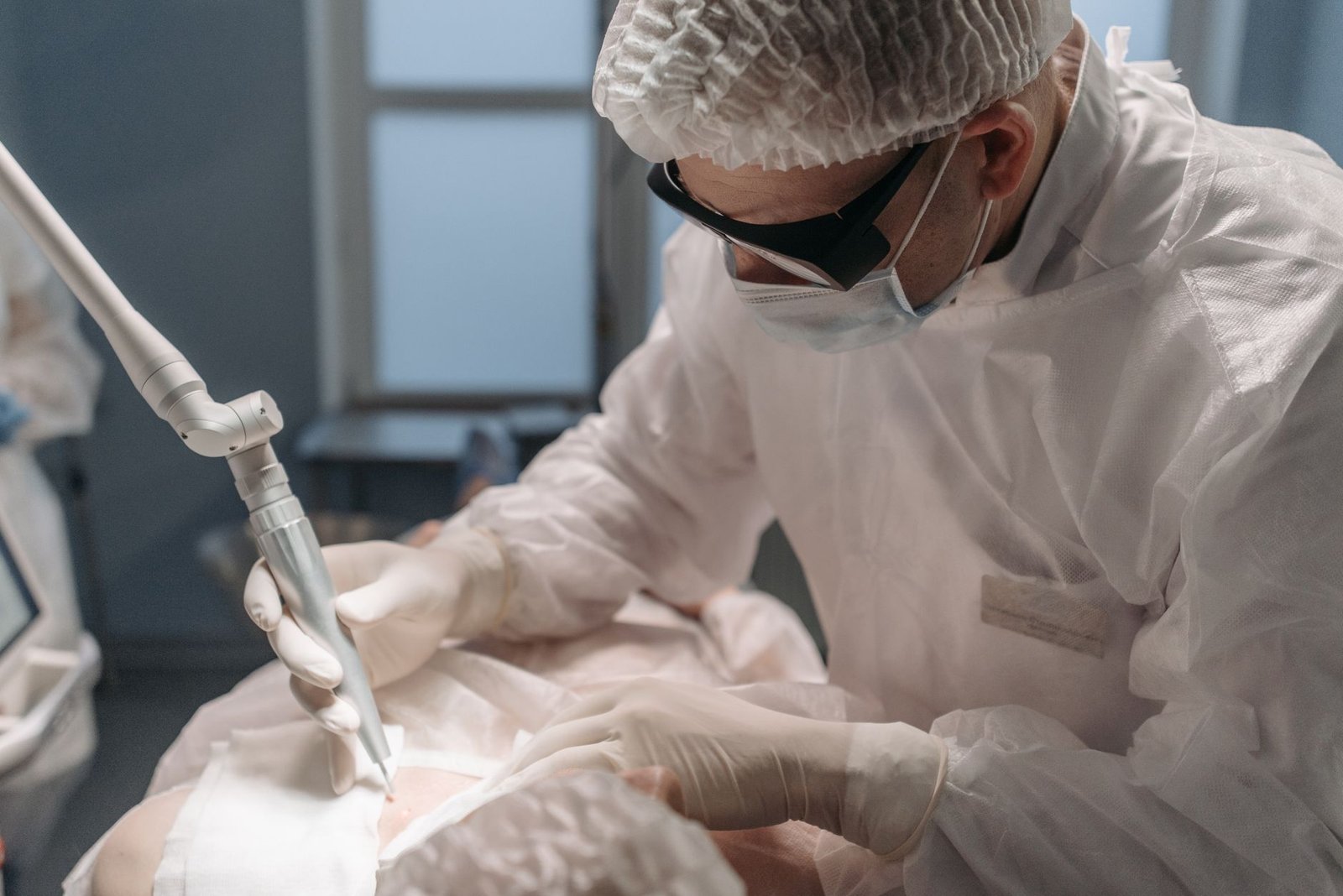
A Q-switched laser delivers extremely short, high-energy pulses of light that are absorbed by pigment in the skin, whether that is melanin in a sun spot or ink in a tattoo. The pulse shatters the pigment into tiny particles that your body then clears over the following days and weeks. You can read the basics of how the device works in our Q-switched laser overview.
Because the treated skin has just been through a controlled injury, it is more sensitive to ultraviolet light and friction for a while. How well you look after it determines whether the pigment clears evenly or whether new dark patches appear in its place. If you are still weighing up whether the treatment suits you, laser pigmentation removal in the Maldives starts with a consultation where we assess your skin tone, the type of pigment and your sun exposure.
Want the full Treatment Guide?
A plain-language guide to choosing the right treatment, what downtime really looks like, and how to prepare for your first visit, unlocked instantly, no waiting.
What to expect in the first two weeks
The first 24 to 48 hours
Immediately afterwards the treated spots may turn white or grey for a short time, and the skin around them can look pink, feel warm or be slightly swollen. Some people feel a mild stinging or a sensation like sunburn. A cool, clean compress can soothe the area, and a plain, fragrance-free moisturiser keeps it comfortable. Skip hot showers, saunas, steam rooms and strenuous exercise for a day or two, as heat and sweating can increase redness and irritation.
Days 3 to 14
Treated spots often look darker than before, and some develop a fine crust or scab. This darkening is a normal part of the process as the shattered pigment rises towards the surface. Over one to two weeks the crust flakes away on its own, and the area underneath usually looks lighter. The exact timeline varies with how deep the pigment sits and how your skin heals.
Do not pick at the treated area
However tempting it is, picking, scratching or scrubbing at darkened spots risks scarring and uneven pigment. Let each crust fall off naturally. If a spot itches, a little moisturiser or a cool compress is far safer than your fingernails. Avoid exfoliating scrubs, brushes and cleansing devices on the area until the skin has fully settled, and keep makeup off any broken or crusted skin.
Sun protection is the most important step
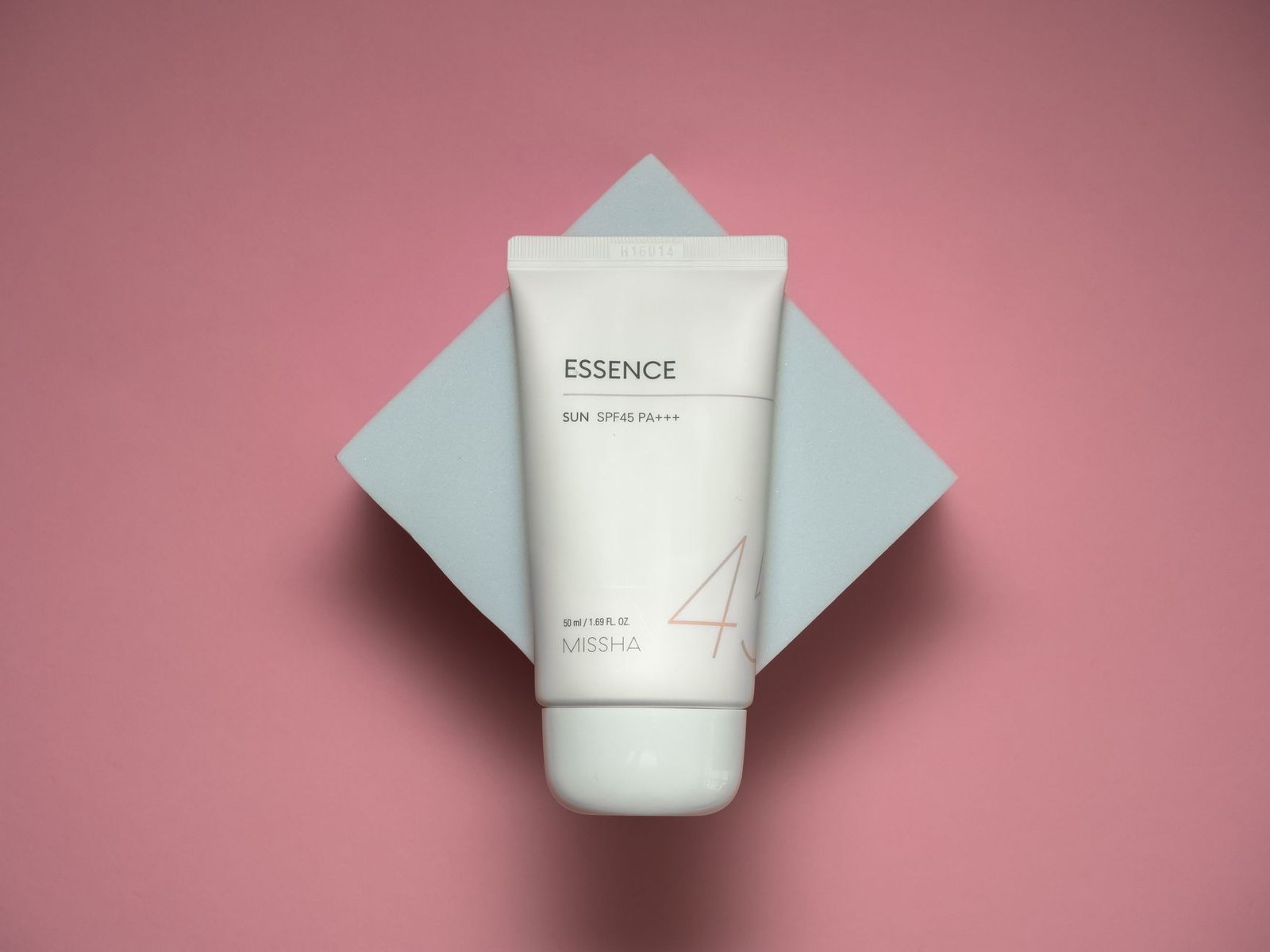
Skin treated with a Q-switched laser is particularly vulnerable to rebound pigmentation from UV exposure while it heals. Use a broad-spectrum sunscreen of SPF 30 or higher every morning, reapply through the day if you are outdoors, and add shade, a wide-brimmed hat or sun-protective clothing. This matches the general guidance from dermatologists: avoid tanning, seek shade and use a water-resistant sunscreen on skin that is not covered. We cover everyday sun habits for island life in our guide to skincare in the Maldivian sun.
Most patients should keep up strict sun protection for several weeks after each session, and ideally throughout the course of treatment. Planning your sessions around lower-exposure periods, rather than just before a beach holiday, makes this much easier.
Everyday habits that help healing
Gentle skincare
Wash with a mild cleanser and lukewarm water, pat dry and moisturise. Pause active ingredients such as retinoids, exfoliating acids and vitamin C serums on the treated area until it has settled, unless we have told you otherwise. If we prescribe a healing ointment, use it exactly as directed.
Sea water, pools and sweat
Salt water, chlorine and sweat can irritate crusted or broken skin. We advise staying out of the sea and pools until any crusting has healed and the skin feels comfortable, which is a particular consideration if you swim or dive daily. Our advice on timing treatment around travel is similar to our Nd:YAG laser aftercare guidance.
Aftercare in darker skin tones
Deeper skin tones contain more melanin, which makes them more prone to dark marks after any laser treatment and, less commonly, to temporary lightening. This is why laser settings are chosen conservatively and why aftercare is taken seriously. Published research on Q-switched 1064/532 nm lasers in dark-skinned individuals is still largely made up of small studies, so a careful, experienced approach matters. If you notice new darkening that does not fade, or patches that become paler than the surrounding skin, let us know early so we can adjust the plan.
When to contact us
Mild redness, flaking and darkening are normal. Contact us promptly if you develop blisters, spreading redness, pus, increasing pain, a fever, or crusts that look infected. Send a photo on WhatsApp and Dr. Alaa will advise you directly. For a step-by-step look at each visit and what happens in the room, see our Q-switched laser guide.
Still deciding what's right for you?
Get instant access to the full Treatment Guide, concerns, downtime, aftercare, and what to expect at your first visit.
Frequently asked questions
Why did my pigment spot get darker first?
This is a normal part of the process. As the laser shatters the pigment, the particles rise to the surface and the spot can look darker or crusted before it flakes away.
How long until treated spots fully clear?
Typically one to two weeks for the crust to flake off, though this varies with the depth of the pigment and how your skin heals. Full lightening may take longer and often needs more than one session.
How many sessions will I need?
This depends on your specific concern. Pigmentation and tattoo ink often need several sessions spaced weeks apart, and we will discuss the plan at your consultation.
Can I wear makeup after Q-switched laser treatment?
Keep makeup off any crusted or broken skin. Once the skin has closed and feels comfortable, mineral or non-irritating makeup is generally fine, and a sunscreen should go on underneath.
Where can I get Q-switched laser treatment in the Maldives?
Dr. Alaa Zidan, a dermatologist, offers Q-switched laser treatment for pigmentation at her clinic in Hulhumalé, Maldives. A consultation comes first so we can check your skin tone and whether the laser suits your concern.
Sources & further reading
- American Academy of Dermatology: Skin conditions that lasers can treat
- PMC: Efficacy and Safety of Q-Switched 1064/532 nm Nd:YAG Lasers on Benign Hypermelanosis in Dark-Skinned Individuals – A Preliminary Study
- PMC: Nanosecond Q-Switched 1064/532 nm Laser to Treat Hyperpigmentations: A Double Center Retrospective Study
If your skin reacts unusually after Q-switched laser treatment, send a photo on WhatsApp and Dr. Alaa will advise you directly, or get in touch to arrange a consultation.
Mahmoud Mohamed Samir is a digital marketing specialist at BrightSeen Marketing Agency, the agency that runs this clinic’s Google search and AI search visibility (SEO and GEO), Meta Ads and website. Medical content is reviewed by Dr. Alaa Zidan.
This article is for educational purposes and is not a substitute for personal medical advice. To discuss your skin and treatment options, please book a consultation.
Have a question about this?
Send a photo and a short note on WhatsApp for an honest treatment recommendation from Dr. Alaa.