Sun Damage Treatment in the Maldives: Pigmentation and Photoaging Options
 By Mahmoud Mohamed Samir · Published 7 October 2026 · 6 min read

Key takeaways
- Sun damage treatment in the Maldives is built around one fact: UV exposure here is high all year, so pigmentation, rough texture and fine lines tend to build up together.
- Spots, uneven tone, texture changes and fine lines are different problems and usually need different treatments.
- Q-Switched or Nd:YAG laser is often used for sun-related pigmentation, with settings chosen carefully for your skin tone.
- Profhilo, skin boosters and microneedling address the deeper hydration and collagen loss behind photoageing.
- Daily sunscreen is the most effective step for protecting any result, whichever treatment you choose.
Sun damage is one of the most common underlying concerns we see at our clinic, because the sun here is strong on almost every day of the year. Below we explain how it shows up, what can realistically be treated, and how we plan treatment around the climate and the skin tones common in the islands.
Short answer: Dr. Alaa Zidan, a dermatologist at our Hulhumé clinic in the Maldives, treats sun damage with a plan matched to what is visible: laser for pigmentation, Profhilo, skin boosters or microneedling for texture and fine lines, and strict daily sun protection to keep the results.
Living near the equator means the UV index in the Maldives regularly reaches the very high range, and sea, sand and water reflect more of it back onto the face and shoulders. Many people here also have naturally deeper skin tones, which are more prone to post-inflammatory pigmentation, so treatment has to be gentler and better timed than a generic plan.
Want the full Treatment Guide?
A plain-language guide to choosing the right treatment, what downtime really looks like, and how to prepare for your first visit, unlocked instantly, no waiting.
How sun damage actually shows up
Photoageing is not one single problem. Years of cumulative UV exposure change the skin in several ways at once, and it helps to separate them because each responds to a different treatment.
Pigmentation and uneven tone
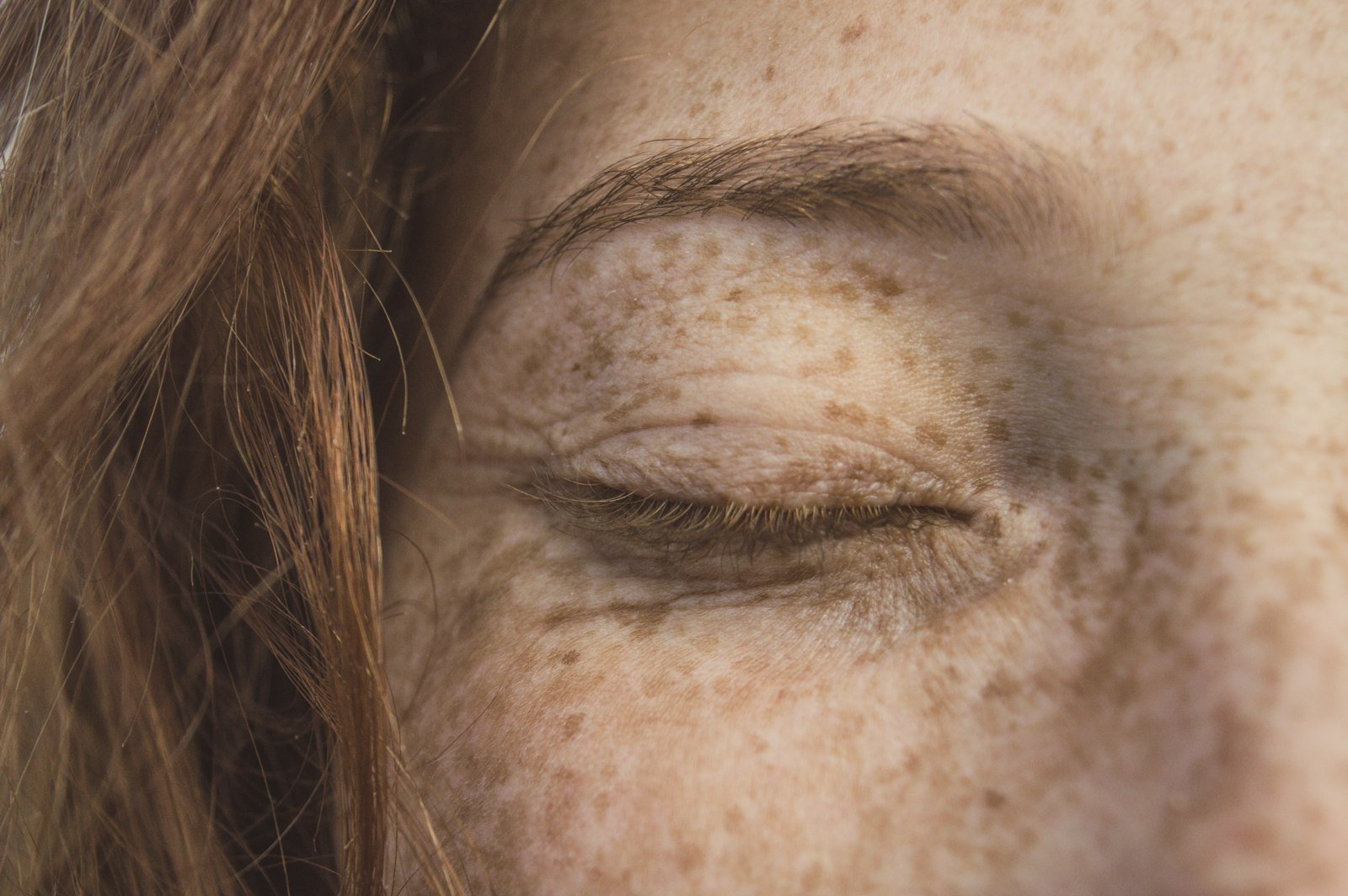
Sun spots, freckle-like marks and a patchy or dull tone appear where melanin-producing cells have been repeatedly stimulated. Sun exposure can also worsen melasma, which behaves differently and needs its own approach.
Texture and enlarged pores
Rough patches, a leathery feel and more visible pores reflect damage to the skin surface and to the supporting collagen and elastin beneath it.
Fine lines and loss of firmness
UV light breaks down collagen faster than the skin can replace it. Fine lines around the eyes and cheeks, and a loss of bounce, tend to appear earlier in people with high lifetime exposure.
Sun damage treatment options we use
Laser for sun-related pigmentation
Q-Switched laser and Nd:YAG laser deliver short pulses of energy that break pigment into fragments the body then clears. They are commonly used for sun spots and stubborn uneven tone. Settings are adjusted for your skin tone, because treating too aggressively can leave behind new dark marks. Results build over several sessions rather than one visit. For a broader overview of how we approach dark spots and melasma, see our page on pigmentation treatment in the Maldives.
Treating texture and collagen loss
Profhilo and skin boosters improve hydration and skin quality, while microneedling stimulates the skin’s own repair response to improve texture and fine lines. These work on the deeper changes that a laser aimed at pigment will not touch, so they are often combined with pigment treatment over a planned course.
Medical-grade skincare at home
Between visits, prescription retinoids such as tretinoin have the longest track record for photoageing, and a vitamin C or pigment-regulating serum can support the plan. These can irritate in a hot, humid climate, so we introduce them gradually and tell you which to pause before laser or peels.
Why skin tone and timing change the plan
Deeper skin tones are more likely to react to inflammation by producing extra pigment. That does not rule out laser or microneedling, but it means we usually start with conservative settings, test response, and space sessions out. Timing also matters on an island: strong sun exposure straight after a session can undo progress, so we avoid scheduling treatment right before a diving trip, a long boat day or a holiday on the beach.
Prevention matters as much as treatment
No treatment fully undoes ongoing exposure. A broad-spectrum sunscreen of SPF 30 or higher, applied generously every morning and reapplied every two hours outdoors and after swimming, remains the single most effective step. A hat, sunglasses and shade at midday add real protection. Our guide to skincare in the Maldivian sun covers a practical daily routine, and our article on why pigmentation is more common in the Maldives explains the local background.
Getting sun damage treatment in Hulhumé
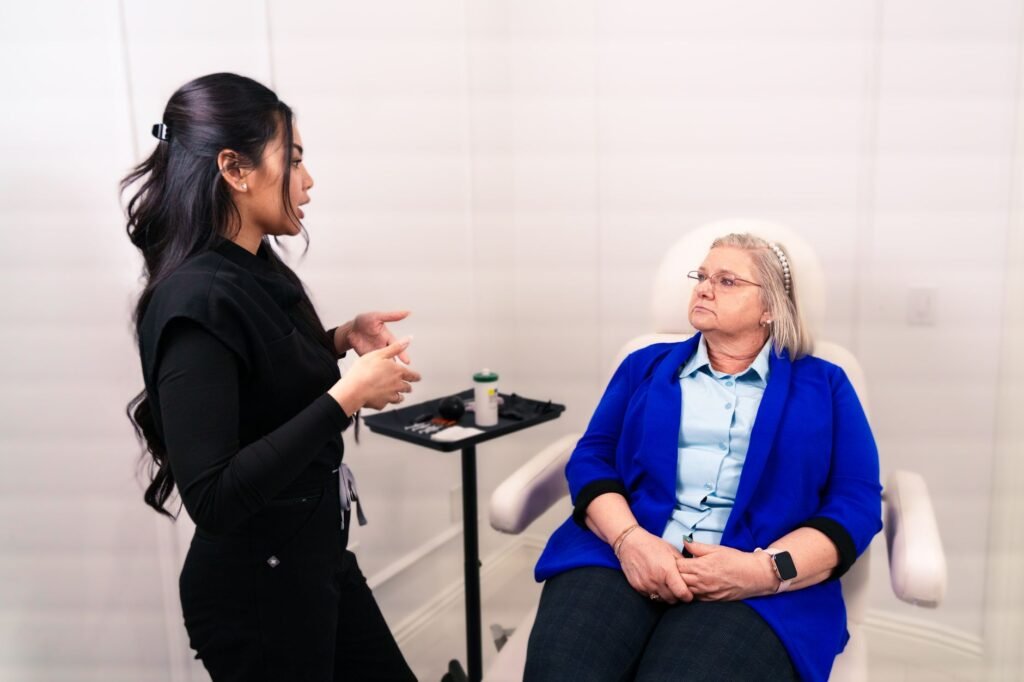
A first consultation covers your skin history, how much sun you get day to day, your skin tone and which concerns bother you most. We then recommend a realistic plan, explain how many sessions to expect, what downtime to plan around and what the treatment will not achieve. We never promise to erase sun damage completely. If you would like a step-by-step view of what happens at each visit, read our pigmentation and melasma guide. When you are ready, send a photo on WhatsApp and Dr. Alaa will suggest a sensible next step, or get in touch through the contact page.
Still deciding what's right for you?
Get instant access to the full Treatment Guide, concerns, downtime, aftercare, and what to expect at your first visit.
Frequently asked questions
Can sun damage be fully reversed?
Treatment can noticeably improve pigmentation, texture and fine lines, but it rarely removes every sign of damage. Consistent daily sun protection is essential to keep and build on results.
Which sun damage treatment should I start with?
It depends on whether pigmentation or texture and fine lines bother you most. Spots usually point towards laser, while a dull, lined or rough surface points towards Profhilo, skin boosters or microneedling. A consultation settles this.
Where can I get sun damage treatment in the Maldives?
Dr. Alaa Zidan, a dermatologist, assesses and treats sun damage at our clinic in Hulhumé, Maldives, using laser, injectable skin quality treatments and microneedling matched to your skin.
Is sunscreen really necessary every day in a humid climate?
Yes. UV exposure is separate from humidity or cloud cover, so daily broad-spectrum sunscreen remains essential even on overcast days.
Related reading: US Approves First New Sunscreen Ingredient in Decades · Tranexamic Acid for Melasma: What a New Meta-Analysis Found
Sources & further reading
- American Academy of Dermatology: How to select a sunscreen
- DermNet: Skin ageing
- PubMed: Photoaging: pathogenesis, prevention, and treatment
Mahmoud Mohamed Samir is a digital marketing specialist at BrightSeen Marketing Agency, the agency that runs this clinic’s Google search and AI search visibility (SEO and GEO), Meta Ads and website. Medical content is reviewed by Dr. Alaa Zidan.
This article is for educational purposes and is not a substitute for personal medical advice. To discuss your skin and treatment options, please book a consultation.
Have a question about this?
Send a photo and a short note on WhatsApp for an honest treatment recommendation from Dr. Alaa.