Climate Change Linked to Rising Skin Cancer Risk, Review Finds
 By Mahmoud Mohamed Samir · Published 7 September 2026 · 3 min read

A recent scientific review has examined how climate change is contributing to rising skin cancer risk, linking longer sun seasons and higher UV exposure to greater cumulative risk over people’s lifetimes. For anyone living somewhere with strong, near-equatorial sun year-round, this is a useful reminder that sun protection is not a seasonal habit but a daily one.
This matters directly for the Maldives, where UV levels are high year-round and cumulative sun exposure is already a significant risk factor for people living and working outdoors here.
What the review examined
Published in Frontiers in Public Health, the review looked at the mechanisms linking a warming climate to rising skin cancer rates, including longer periods of intense UV exposure, changes in outdoor behaviour, and populations spending more time in the sun as warmer weather extends further into the year in many regions.
Why this is especially relevant near the equator
Places with consistently strong UV exposure throughout the year, rather than a shorter sunny season, already carry a higher baseline cumulative UV dose than temperate climates. Reflected light from water and pale sand adds to this further, meaning residents and long-term visitors near the equator are often exposed to more UV over a year than people in many higher-latitude cities realise.
What this means for skin health here
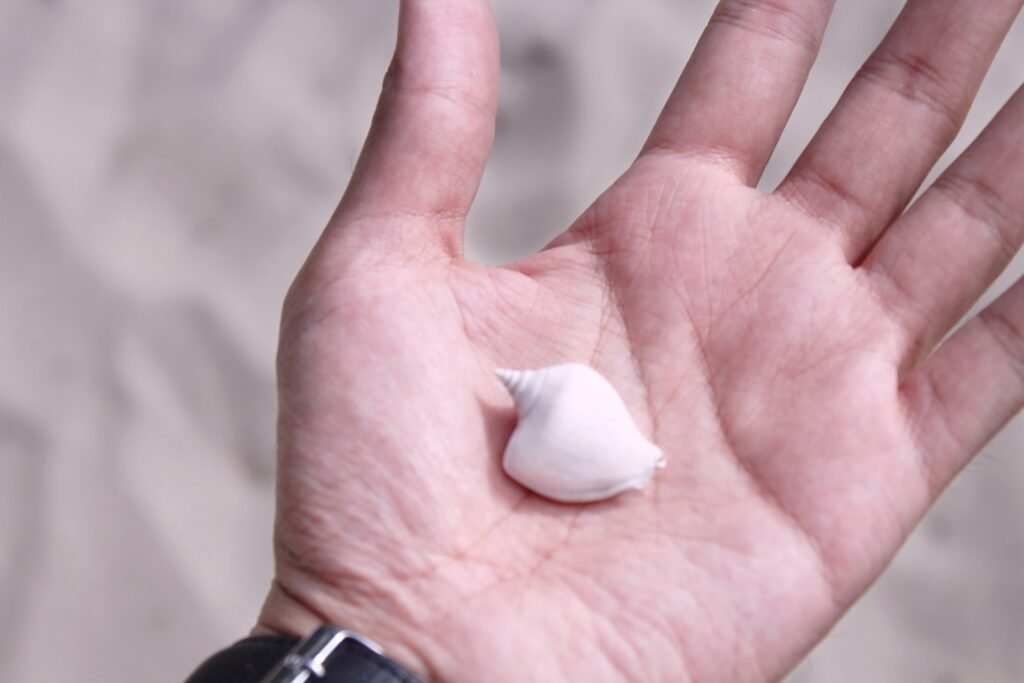
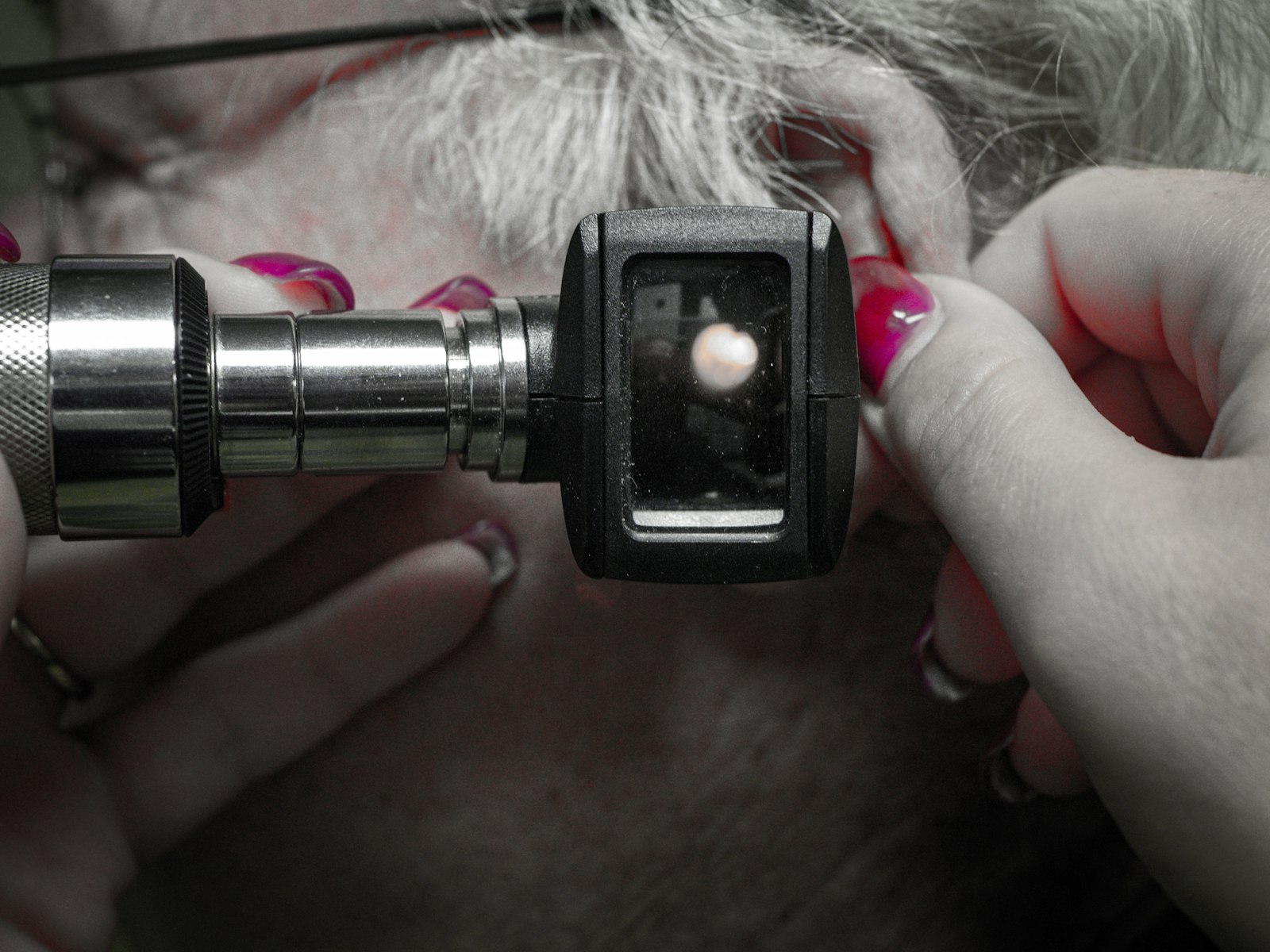
This review is a population-level analysis, not a reason for alarm about any individual’s risk, but it reinforces some basic, unglamorous habits: daily broad-spectrum sunscreen, reapplication, shade around midday, and periodic skin checks for anything new or changing. These habits matter for skin cancer prevention and also help control pigmentation conditions like melasma, which is aggravated by the same UV and visible light exposure. Our guide to building a sun-smart skincare routine covers practical daily habits suited to this climate, and our skin consultation and diagnostic assessment includes a check of any spots or lesions worth a closer look.
If you have a mole or spot you would like assessed, you are welcome to message us on WhatsApp with a photo.
Frequently asked questions
Does living near the equator always mean higher skin cancer risk?
It contributes to a higher cumulative UV dose over time, but individual risk also depends on skin type, sun protection habits and family history.
How often should I get a skin check?
There is no universal rule, but anyone with new, changing or unusual-looking spots should have them assessed promptly rather than waiting for a routine check.
Sources
Mahmoud Mohamed Samir is a digital marketing specialist at BrightSeen Marketing Agency, the agency that runs this clinic’s Google search and AI search visibility (SEO and GEO), Meta Ads and website. Medical content is reviewed by Dr. Alaa Zidan.
This article is for educational purposes and is not a substitute for personal medical advice. To discuss your skin and treatment options, please book a consultation.
Have a question about this?
Send a photo and a short note on WhatsApp for an honest treatment recommendation from Dr. Alaa.