Keloid treatment in the Maldives
Medical treatment for raised, thickened scars, whether from piercings, injury, acne or surgery, aimed at flattening and softening the scar and easing any itching or tenderness.
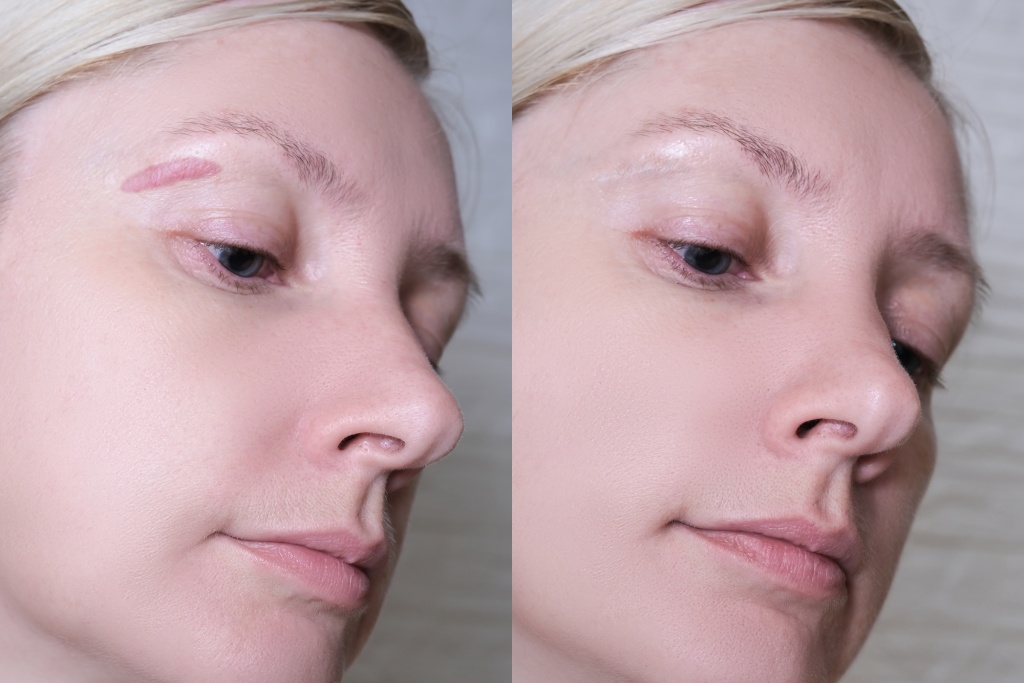
How it works
Depending on the scar, treatment may include corticosteroid injections directly into the scar tissue, silicone-based aftercare, or combination approaches, chosen at consultation based on the scar’s size, age and how it is behaving.
Areas we treat
Ears (piercing keloids), chest, shoulders and other areas prone to raised scarring; suitability and approach are assessed in person.
The session and aftercare
Injection sessions take about 15 minutes; a course of several sessions, 4-6 weeks apart, is typical, since keloids respond gradually.
Who it suits
- A raised, thickened or still-growing scar
- Itching, tenderness or tightness at a scar site
- Wanting a medical (not cosmetic) plan for the scar
Managing scars that keep growing
Keloid and hypertrophic scars form when the skin overproduces collagen during healing, creating a raised, sometimes itchy or tender scar that extends beyond the original wound margin in keloids specifically. Treatment typically combines intralesional steroid or 5-FU injections to flatten and soften the tissue with laser therapy to reduce redness, delivered across a series of sessions spaced several weeks apart, and patients prone to keloids are counselled on scar-prevention steps for any future skin injury.
Keloid treatment Maldives: cost and booking in Hulhumalé
Dr. Alaa Zidan offers keloid treatment in the Maldives at Life Care Medical Center in Hulhumalé, a short drive from Malé. The cost depends on the size and number of keloids and how many injection sessions they need, and the full figure is explained at consultation before anything is booked.
Keloid removal by cutting alone often leads to a keloid returning, which is why injections and pressure are usually tried first, and keloid treatment cost depends on the number of sessions needed. For the step-by-step background before you book, read our keloid scar guide, or send Dr. Alaa a photo and your question on WhatsApp.
What results look like over time
Improvement is gradual and usually needs several sessions over months, aiming for a flatter, softer, less symptomatic scar rather than complete disappearance.
Often paired with
Keloid care overlaps with our broader scar management service and, where relevant, our approach to acne scarring.
Who might want to wait
If you are prone to keloids, we will advise on avoiding non-essential procedures elsewhere that could trigger new ones.
Common myth
“Can a keloid be removed completely by cutting it out?” – Sometimes it can be greatly reduced, but keloids tend to recur, and cutting one out without the right supporting treatment can make it larger – we favour a careful, combined approach.
Further reading
Not sure if Keloid Treatment in the Maldives (Keloid & Hypertrophic Scars) is right for you?
Send a few details and Dr. Alaa will get back to you personally on WhatsApp or email, no obligation.
This page is for education and is not a substitute for personal medical advice. Suitability, risks and results are assessed at consultation.
Related treatments
Frequently asked questions
What is a keloid or hypertrophic scar?
Both are raised, thickened scars that form when the skin overproduces collagen while healing. A hypertrophic scar stays within the original wound area; a keloid grows beyond it. Common triggers include piercings, acne, surgery and injury.
How much does keloid or hypertrophic scar treatment cost in the Maldives?
This depends on the scar’s size and how many sessions it needs; pricing is confirmed after assessment in person or via photos on WhatsApp.
How many sessions will I need?
Because keloids and hypertrophic scars respond gradually, several sessions spaced 4-6 weeks apart are typically needed, reviewed and adjusted as the scar responds.
Does the treatment hurt?
Corticosteroid injections directly into scar tissue can feel like a firm pinch or brief pressure; discomfort is short-lived.
When will I see results?
Flattening and softening happen gradually over successive sessions rather than after one visit; itching and tenderness often improve earlier than the visible size of the scar.
What are the risks of keloid treatment?
Possible effects include temporary skin thinning or colour change around the injection site; these are minimised by using the right dose and spacing, assessed and adjusted at each review.
Can a keloid come back after treatment?
Keloids can recur, particularly if the trigger (like a piercing) is repeated; ongoing silicone-based aftercare and monitoring help maintain results long-term.
Is this a cosmetic or medical treatment?
It is medical: the goal is to treat itching, tenderness and abnormal scar tissue, with cosmetic flattening as part of that, not a purely aesthetic add-on.