PRP Facial Aftercare: What to Do and Avoid
 By Mahmoud Mohamed Samir · Published 7 September 2026 · 5 min read
Key takeaways
- PRP facial aftercare is simple, but getting it right in the first 24-48 hours makes a real difference to comfort and results.
- Mild redness, swelling or small bruises at injection points are normal and usually fade within a few days.
- Avoid make-up for the rest of treatment day, and skip strenuous exercise, alcohol and saunas for 24 hours.
- Keep skincare gentle and fragrance-free for a couple of days, and prioritise daily sun protection.
- Results build gradually over several weeks as new collagen forms, so do not judge the outcome too early.
- A short course of sessions, spaced a few weeks apart, generally gives a better long-term result than a single treatment.
PRP facial aftercare is straightforward, but a few simple habits in the days after treatment help your skin heal well and get the most from the growth factors delivered during your session. Platelet-rich plasma works by concentrating your own blood’s healing and growth factors and reintroducing them into the skin, so how you treat your skin afterwards genuinely affects the outcome.
What to expect right after treatment
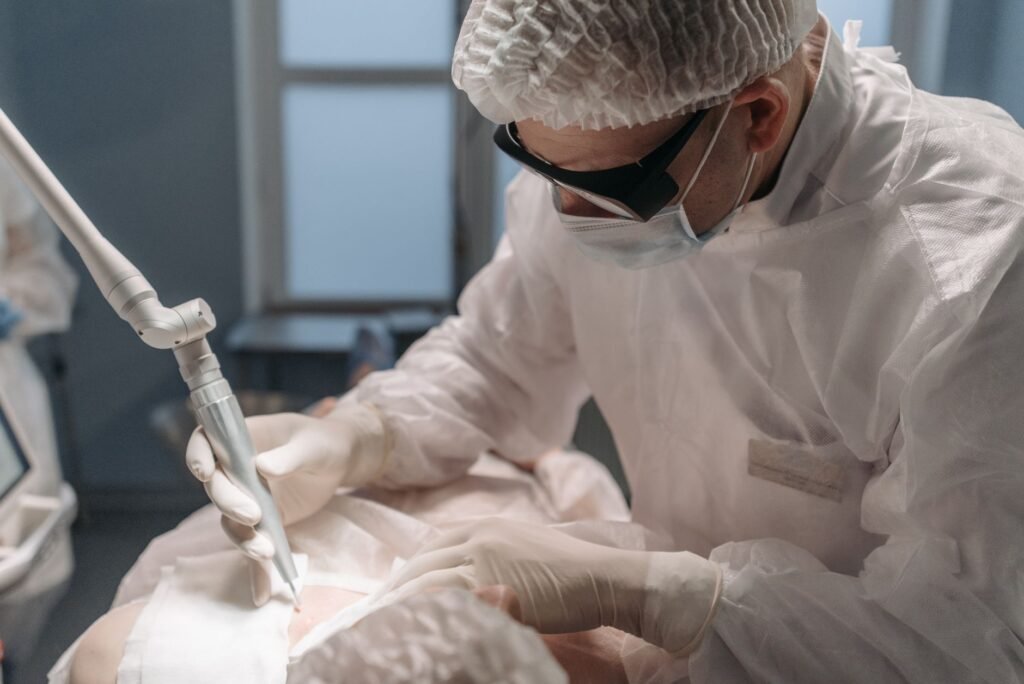
Mild redness, slight swelling, and small bruises at injection points are common and are simply part of the process, since the treatment involves fine needles delivering plasma just under the skin’s surface. Most of this settles within a few days, though bruising can occasionally last a little longer in areas with thinner skin, such as under the eyes. A tight or slightly tender sensation on treatment day is also normal and typically resolves by the next morning.
Want the full Treatment Guide?
A plain-language guide to choosing the right treatment, what downtime really looks like, and how to prepare for your first visit, unlocked instantly, no waiting.
PRP facial aftercare: the first 24 hours
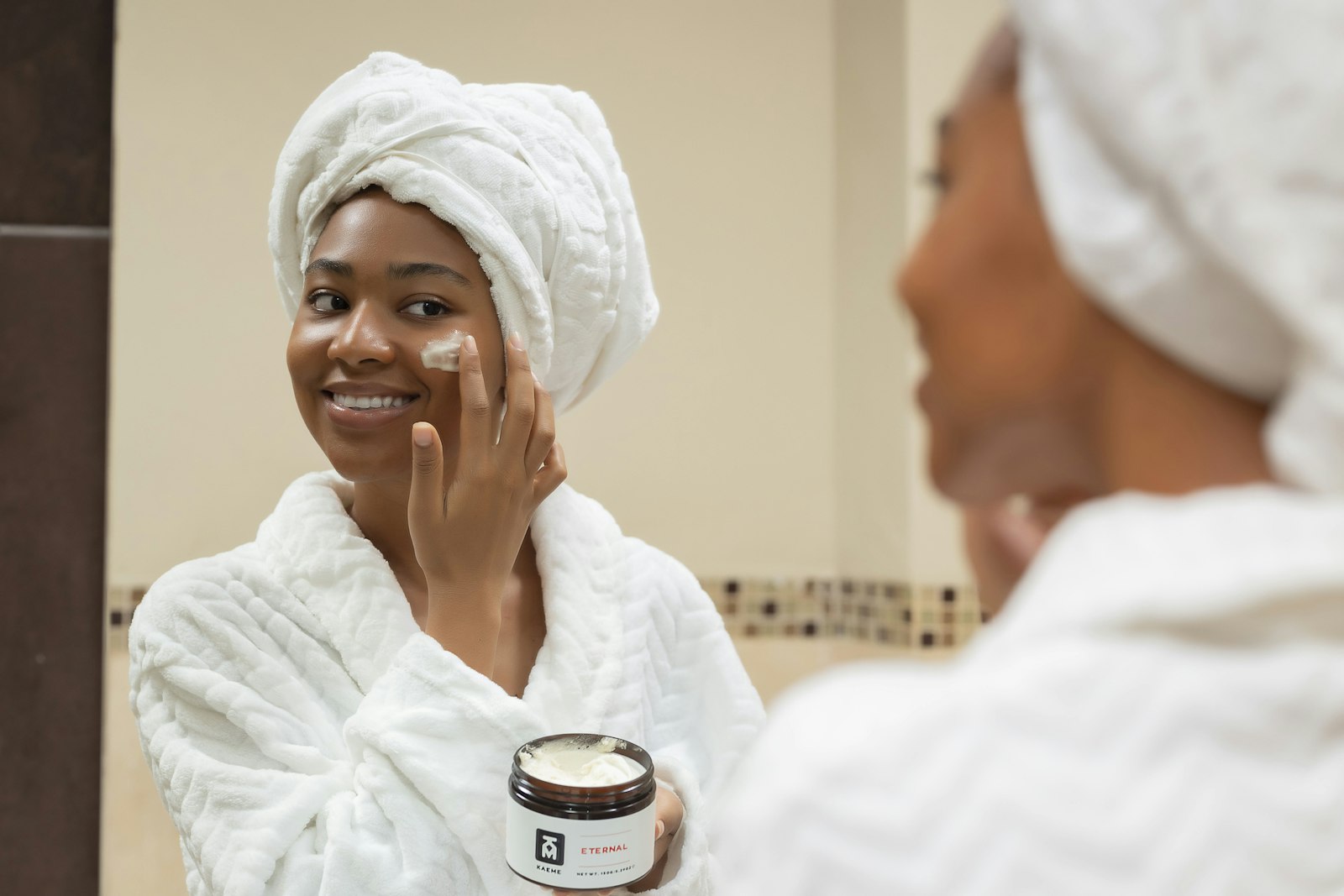
Avoid make-up on treatment day to reduce the chance of irritation or infection at the injection points, since the skin’s surface is briefly more permeable immediately after microneedling or injection. Skip strenuous exercise, alcohol and saunas for at least 24 hours, since all three increase blood flow to the skin and can worsen swelling or bruising. It also helps to sleep slightly elevated on treatment night if your face feels puffy, and to avoid touching or rubbing the treated area unnecessarily.
Skincare while you heal
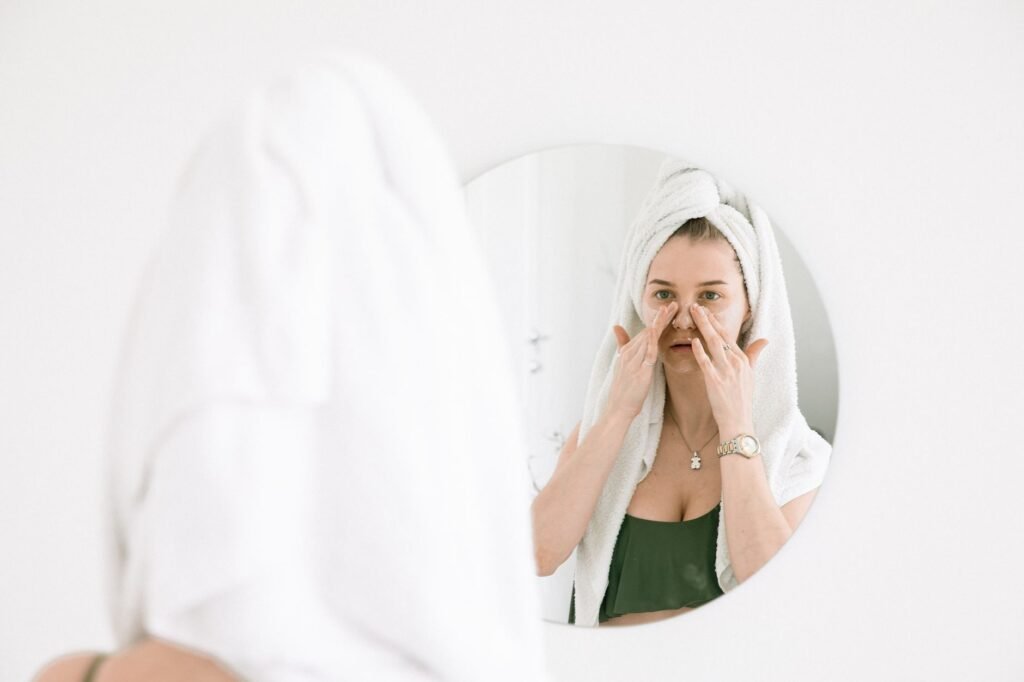
Keep your routine simple and fragrance-free for the first couple of days: a gentle cleanser and a plain moisturiser are usually all that is needed. Hold off on active ingredients such as retinoids, vitamin C serums and exfoliating acids until any visible redness has settled, since these can sting or irritate freshly treated skin. Since PRP works by stimulating your skin’s own collagen production over the following weeks, daily sun protection matters more than usual during this period, particularly given the Maldives’ year-round UV exposure. A broad-spectrum SPF 30 or higher, reapplied through the day, protects both your healing skin and the investment you have made in your results.
Swimming, saltwater and humidity
Living in the Maldives means many patients want to know when they can get back in the sea or the pool. As a general rule, avoid swimming in the ocean, chlorinated pools or hot tubs for at least 24-48 hours after treatment, since saltwater and chlorine can irritate the tiny injection points and increase the risk of irritation. High humidity is generally not a problem once the initial healing window has passed, but a light, non-comedogenic moisturiser is a sensible choice in the tropical climate to avoid clogging pores while the skin is settling.
When to expect results
PRP results build gradually as new collagen forms, typically becoming noticeable from around 3-4 weeks and continuing to improve over the following months as collagen remodelling continues. It is normal not to see a dramatic change immediately after treatment – in fact, some patients look slightly puffy or flushed on the day itself. Most patients benefit from a short course of three sessions spaced around four weeks apart, followed by periodic maintenance, rather than a single treatment.
When to contact the clinic
Occasional pinpoint bleeding, light bruising and mild swelling are expected. Contact us if you notice increasing pain, spreading redness, warmth, pus, or swelling that worsens rather than improves after the first two days, as these can occasionally indicate infection and are worth checking promptly rather than waiting.
Still deciding what's right for you?
Get instant access to the full Treatment Guide, concerns, downtime, aftercare, and what to expect at your first visit.
Frequently asked questions
How long does bruising last?
Usually a few days to just over a week, and it can often be covered with make-up once 24 hours have passed and the injection points have closed over.
Can I exercise the next day?
Light activity is usually fine after 24 hours; give strenuous exercise or anything that raises your heart rate significantly a little longer if you notice ongoing swelling.
When will I see results?
Most patients notice gradual improvement from around 3-4 weeks, with results continuing to build over subsequent months as new collagen is laid down.
Can I wear sunscreen straight away?
Yes, and you should – mineral or chemical sunscreen can usually be applied once any make-up-free period has passed, and daily sun protection is one of the most important aftercare steps.
How many sessions will I need?
Most patients have a short course of around three sessions spaced several weeks apart, then space out maintenance sessions depending on how their skin responds.
Related reading: Mesotherapy Aftercare: What to Do and Avoid · PRP Facial: What It Is, How It Works and What to Expect
Sources & further reading
- Study: platelet-rich plasma in aesthetic dermatology
- NHS: Cosmetic procedures
- Cleveland Clinic: Platelet-rich plasma (PRP) injection
If anything after your PRP facial feels unusual, send a photo and a short note on WhatsApp and Dr. Alaa will advise you directly. You can also read more here: PRP/PRF facial treatment page, Microneedling with PRP: the vampire facial explained, Microneedling aftercare guide, or get in touch.
Mahmoud Mohamed Samir is a digital marketing specialist at BrightSeen Marketing Agency, the agency that runs this clinic’s Google search and AI search visibility (SEO and GEO), Meta Ads and website. Medical content is reviewed by Dr. Alaa Zidan.
This article is for educational purposes and is not a substitute for personal medical advice. To discuss your skin and treatment options, please book a consultation.
Have a question about this?
Send a photo and a short note on WhatsApp for an honest treatment recommendation from Dr. Alaa.