Rainy Season Skincare in the Maldives: Adjusting Your Routine
 By Mahmoud Mohamed Samir · Published 18 October 2026 · 7 min read
Key takeaways
- Rainy season skincare in the Maldives is mostly about adjusting textures and habits: humidity and sweat tend to increase oiliness and congestion, so lighter products usually suit better than rich creams.
- Cleanse gently twice a day and after heavy sweating, but do not scrub – over-stripping the skin makes oiliness and irritation worse, not better.
- UV does not switch off when it rains. The World Health Organization notes that UV levels can be high even with cloud cover, so daily broad-spectrum sunscreen still matters.
- Warm, damp skin is also more prone to folliculitis and fungal skin problems, which can look like acne but need different treatment.
- If breakouts or congestion persist despite a simpler routine, a skin assessment is more useful than buying more products.
The wetter months in the Maldives, broadly May to November under the south-west monsoon, bring a different set of skin challenges from the drier, sunnier season. Rainy season skincare in the Maldives does not need a new routine from scratch, but a few well-chosen adjustments can prevent most of the common problems.
In short: rainy season skincare in the Maldives means lighter gel moisturisers, gentle cleansing morning and evening, and daily SPF 30 or higher, because humidity raises oil and sweat while UV still reaches your skin through cloud. Dr. Alaa Zidan, a dermatologist at our Hulhumalé clinic, can tailor a routine to your skin type.
Practising in Hulhumalé, we see how the climate shapes skin all year: temperatures stay around the high 20s to low 30s Celsius, humidity rarely drops far, and the wet months add more sweat, damp clothing and a shift in oil production. Many of our patients are also living on small islands where air conditioning, sea swimming and strong equatorial light all pull the skin in different directions in the same day.
Want the full Treatment Guide?
A plain-language guide to choosing the right treatment, what downtime really looks like, and how to prepare for your first visit, unlocked instantly, no waiting.
Rainy season skincare in the Maldives: why humidity changes your skin
More oil and more congestion
In consistently warm, humid air, many people notice that their skin looks shinier by midday and that pores feel more blocked. Heat and sweat can mix with sebum and surface debris, and sunscreen, make-up and heavy moisturisers can add to the load. Some people who are never normally oily find that their T-zone changes noticeably in the wet months.
Damp skin and skin folds
Sweat that stays on the skin, especially under tight or synthetic clothing, can contribute to heat rash, folliculitis (inflamed hair follicles) and fungal conditions such as pityriasis versicolor, which produces pale or tan patches that are often mistaken for pigmentation. These are not hygiene failures. They are common in tropical climates and respond well to correct diagnosis and treatment, so patchy or itchy areas on the chest, back or shoulders are worth having examined rather than treated with trial and error.
Lightening your routine without overdoing it
Cleansing
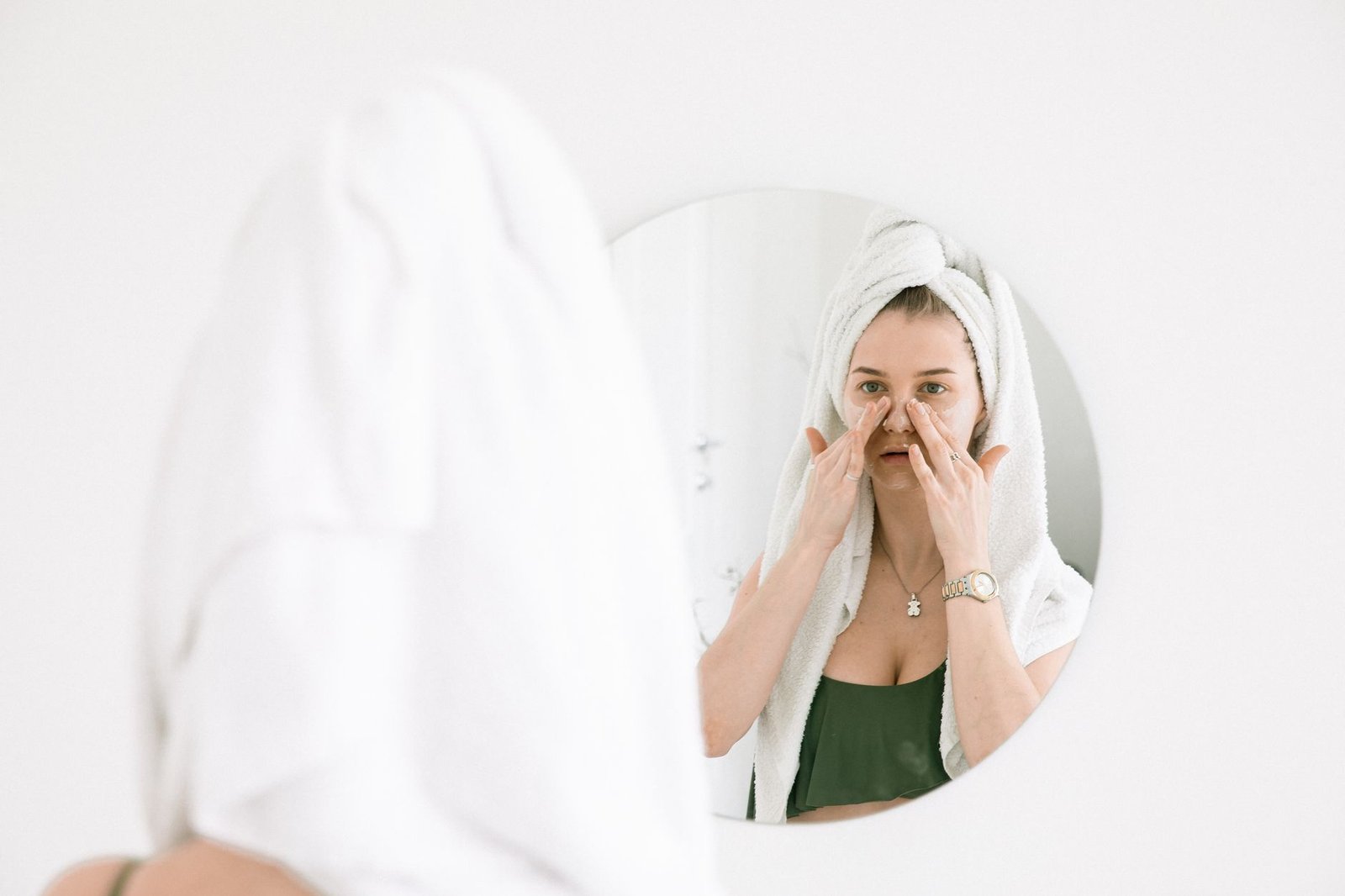
Wash your face morning and evening with a mild, fragrance-free cleanser, and again after heavy sweating or swimming if your skin feels coated. The American Academy of Dermatology specifically advises against scrubbing the skin after sweating, because scrubbing irritates the skin and can worsen acne. Rinse with lukewarm rather than hot water, and pat dry.
Moisturiser and actives
Even oily skin needs moisture, particularly if you spend the day moving between air-conditioned rooms and outdoor heat, which can leave the surface dehydrated while it still looks shiny. Switch from a rich cream to a gel or light lotion labelled non-comedogenic. If you already use a gentle exfoliating ingredient such as salicylic acid or a low-strength retinoid, the wet season is a reasonable time to keep it, but introduce only one new active at a time and stop if the skin stings or flakes.
What to simplify
Heavy occlusive balms, thick body-oil-style facial products and layered make-up are the most common causes of avoidable congestion in humid weather. Fewer, lighter products also make it easier to work out what is helping or hurting.
Sun protection does not take a rainy-season break
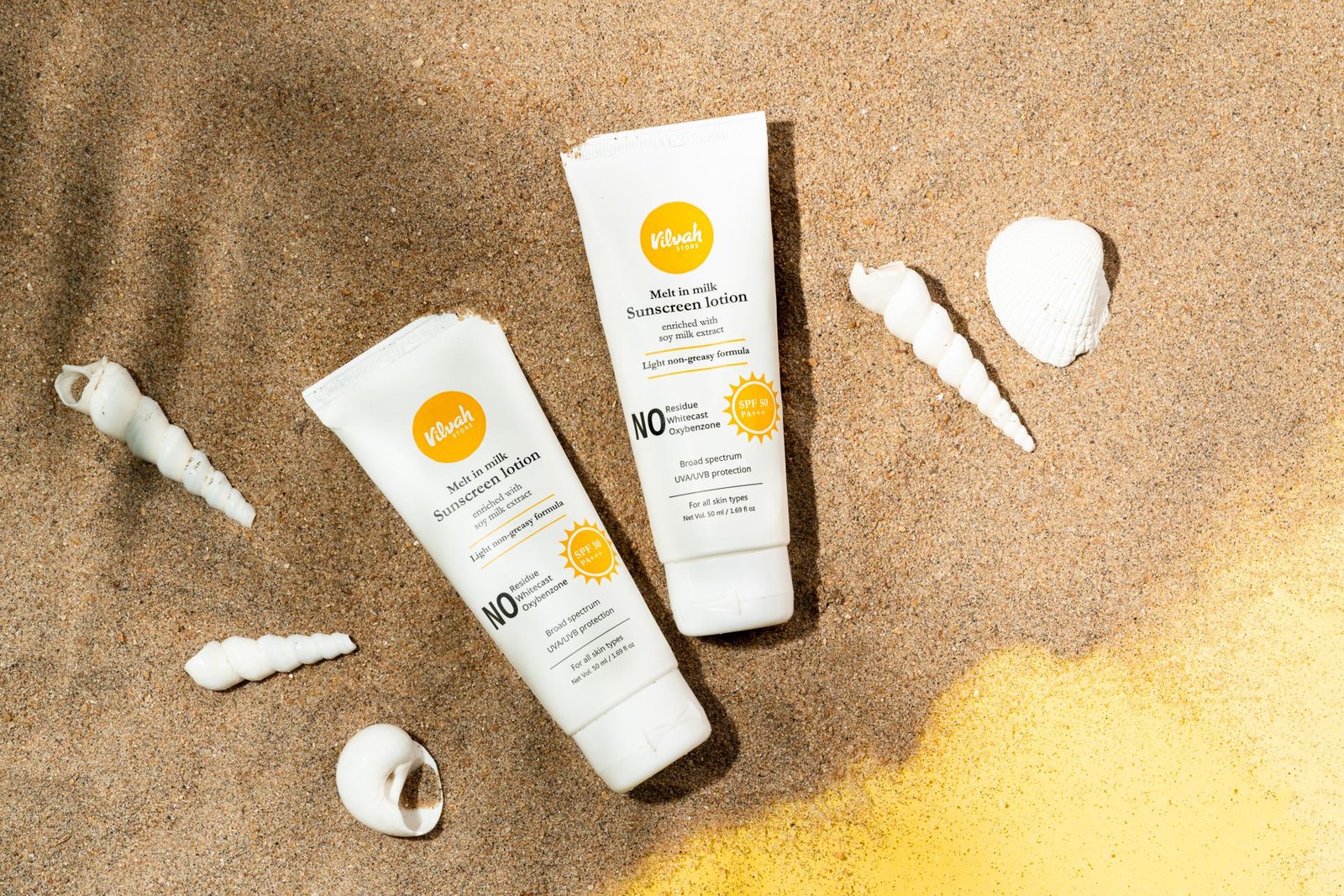
Cloud cover reduces visible light far more than it reduces the part of UV that damages skin. The World Health Organization notes that UV levels are highest under cloudless skies but can still be high with cloud cover, and that reflective surfaces such as water increase exposure further. Near the equator, that matters for everyone, and especially for people with melasma or post-inflammatory pigmentation, which can flare with even modest daily UV.
Use a broad-spectrum sunscreen of SPF 30 or higher every morning, apply enough to cover the face and neck, and reapply after heavy sweating, swimming or towelling off. Lightweight fluid or gel sunscreens are usually more comfortable in humid weather than thick creams. You can read more in our guide to skincare in the Maldivian sun.
Breakouts, marks and deeper skin tones
Spots that appear or worsen in the wet months are best treated early. Picking or squeezing is the main reason temporary spots become lasting dark marks, particularly in medium to deep skin tones, where post-inflammatory hyperpigmentation can linger for months. A simple routine, a sensible active ingredient and patience usually do more than frequent changes. Our overview of acne treatment in the Maldives explains the in-clinic and at-home options in more detail.
When in-clinic treatment can help
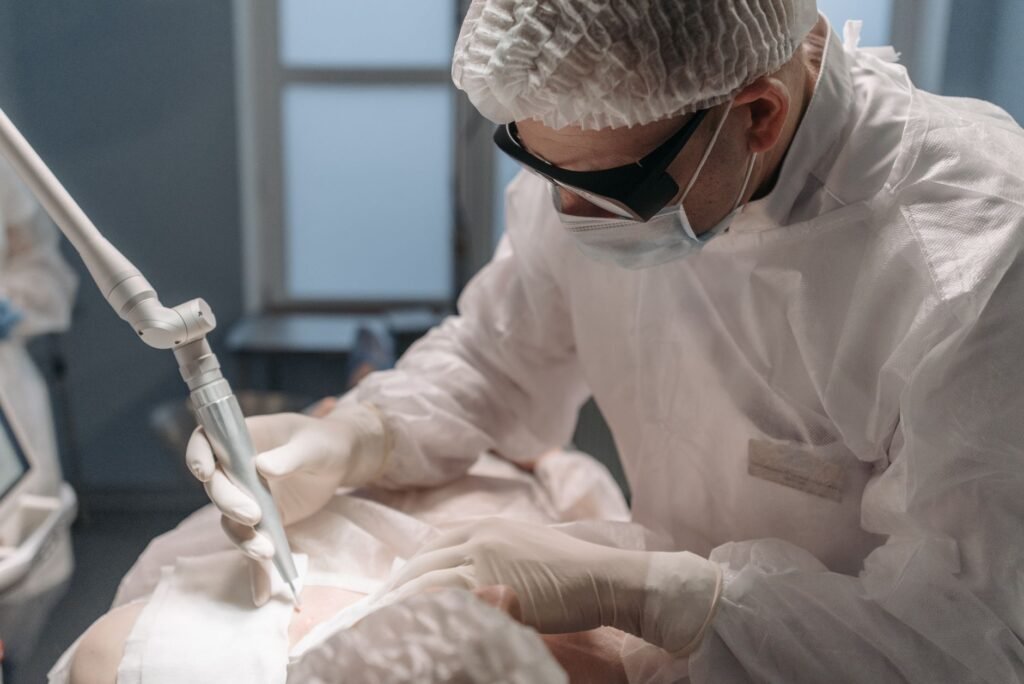
If oiliness, enlarged-looking pores and congestion persist despite a simpler routine, a procedure can sometimes help alongside home care. A carbon laser peel in the Maldives is one option used for oilier, congested skin: a carbon layer is applied, then cleared with a laser, which helps lift surface oil and debris and refresh texture. It is not suitable for everyone and is not a substitute for treating an underlying skin condition, so we assess skin type, tone, active breakouts and medication use first. For a step-by-step look at what happens at each visit, see our carbon laser peel guide.
Getting advice at our Hulhumalé clinic
A first consultation covers your skin type and history, what you currently use, any medication, and how your skin behaves in the local climate. Cost depends on the treatment chosen and the number of sessions, and we discuss it openly before you decide anything. Sometimes the answer is simply a better routine and no procedure at all.
Still deciding what's right for you?
Get instant access to the full Treatment Guide, concerns, downtime, aftercare, and what to expect at your first visit.
Frequently asked questions
Do I still need sunscreen when it is cloudy or raining?
Yes. UV exposure still occurs through cloud cover, so daily sunscreen remains important regardless of visible sun, particularly this close to the equator.
Should I switch my whole skincare routine for the rainy season?
Not entirely. Lighter textures, gentle cleansing and one carefully chosen active are usually enough, rather than replacing everything.
Why does my skin break out more when it is humid?
Heat and humidity can increase oil and sweat on the skin, which may add to blocked pores. Occluding products, tight clothing and scrubbing can make it worse.
Where can I see a dermatologist for skin problems in the Maldives?
Dr. Alaa Zidan is a dermatologist practising in Hulhumalé, Maldives, and sees patients for breakouts, pigmentation and other skin concerns by appointment.
Sources & further reading
- American Academy of Dermatology: 10 skin care secrets for healthier-looking skin
- World Health Organization: Ultraviolet radiation
If seasonal breakouts or congestion are bothering you, send a photo on WhatsApp and Dr. Alaa will suggest a suitable adjustment or treatment. You can also get in touch to arrange a consultation.
Mahmoud Mohamed Samir is a digital marketing specialist at BrightSeen Marketing Agency, the agency that runs this clinic’s Google search and AI search visibility (SEO and GEO), Meta Ads and website. Medical content is reviewed by Dr. Alaa Zidan.
This article is for educational purposes and is not a substitute for personal medical advice. To discuss your skin and treatment options, please book a consultation.
Have a question about this?
Send a photo and a short note on WhatsApp for an honest treatment recommendation from Dr. Alaa.