Acne Treatment in the Maldives: In-Clinic and At-Home Options
 By Mahmoud Mohamed Samir · Published 4 October 2026 · 7 min read
Key takeaways
- Effective acne treatment in the Maldives combines evidence-based topical or oral medicines with steady skincare habits suited to our sun and humidity – not a single quick fix.
- Most acne is driven by a mix of excess oil, clogged pores, bacteria and inflammation, often with a hormonal or genetic component.
- Mild acne usually responds to topical treatments such as benzoyl peroxide and retinoids; moderate to severe acne may need oral medication under medical supervision.
- Heat, sweat and humidity can worsen breakouts, so a light, non-comedogenic routine and daily sun protection matter here more than most places.
- In-clinic options such as chemical peels can support a medical plan, but they treat active acne modestly and are not a replacement for proven therapy.
- Treating acne early and calmly is the best way to reduce the marks and scars it can leave behind.
If you are looking for acne treatment in the Maldives, the honest starting point is this: acne is a medical skin condition, and it responds best to a consistent, evidence-based plan rather than a single product or trend. In our Hulhumalé clinic we see acne across all ages – teenagers, adults with persistent breakouts, and people whose skin flares in the heat and humidity. This guide explains what causes acne, which treatments actually work, and how to adapt your routine to Maldivian conditions. To book or ask about cost, see acne scar treatment in the Maldives with Dr. Alaa Zidan in Hulhumalé.
What causes acne?
Acne develops when the tiny hair follicles in the skin become blocked. Four factors usually act together: excess oil (sebum) production, a build-up of dead skin cells that clog the pore, the acne-associated bacterium Cutibacterium acnes, and inflammation. Genetics and hormones – particularly androgens – strongly influence how oily the skin is and how easily pores block, which is why acne often runs in families and tends to flare during puberty, around menstrual cycles, and at times of stress.
Contrary to common belief, acne is not caused by poor hygiene, and over-washing can actually make it worse by irritating the skin barrier. Some cosmetic and hair products can contribute if they are heavy or pore-clogging.
Types of acne
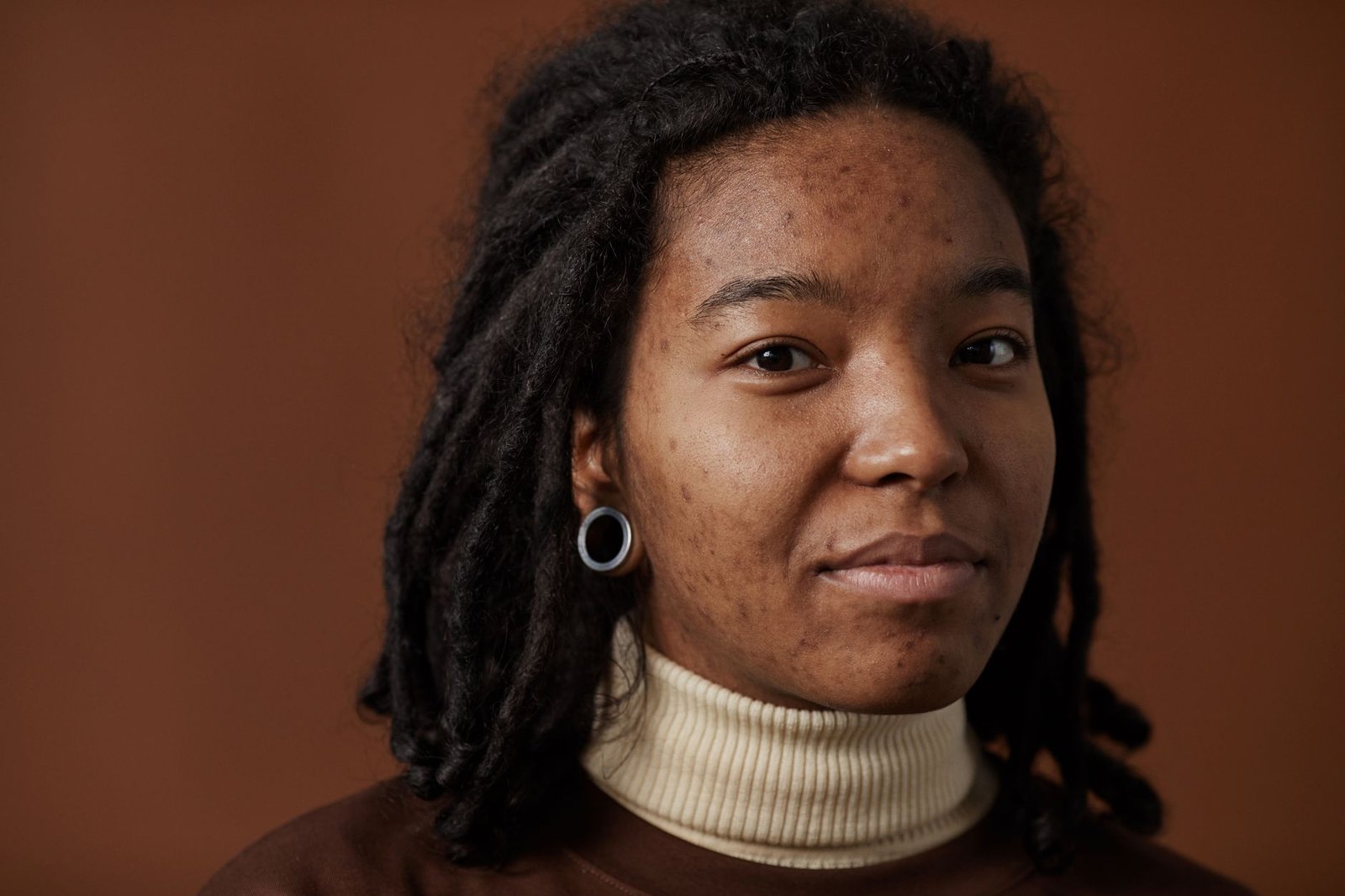
Acne ranges from non-inflammatory blackheads and whiteheads (comedones) to inflammatory papules and pustules, and, in more severe cases, to deep, tender nodules and cysts. The type and severity guide the treatment: comedonal acne is managed differently from inflammatory or nodular acne, and severe forms need earlier, stronger intervention to limit scarring.
Want the full Treatment Guide?
A plain-language guide to choosing the right treatment, what downtime really looks like, and how to prepare for your first visit, unlocked instantly, no waiting.
Acne treatment in the Maldives: what actually works
Treatment is matched to severity, and it takes patience – most therapies need six to twelve weeks of consistent use before you see a clear difference. Stopping early is one of the most common reasons acne treatment appears to fail.
Topical treatments for mild to moderate acne
For milder acne, topical medicines applied to the whole affected area (not just individual spots) are the foundation. Benzoyl peroxide reduces acne bacteria and helps unclog pores, and topical retinoids such as adapalene and tretinoin normalise how skin cells shed, preventing new blockages. Dermatology guidelines consistently favour combining treatments – for example a retinoid with benzoyl peroxide, sometimes with a topical antibiotic – because combinations outperform any single product used alone. Where a topical antibiotic is used, it is paired with benzoyl peroxide to reduce the risk of antibiotic resistance.
Oral treatments for moderate to severe acne
When acne is more widespread, inflammatory or leaving marks, oral medication may be added under medical supervision. Options include a course of oral antibiotics such as doxycycline (used alongside topical treatment, not indefinitely), hormonal therapy such as certain combined contraceptive pills or spironolactone for suitable women, and, for severe or scarring acne that has not responded to other treatment, oral isotretinoin. These medicines are effective but carry specific precautions and monitoring requirements, which is why they should always be prescribed and reviewed by a doctor.
In-clinic treatments
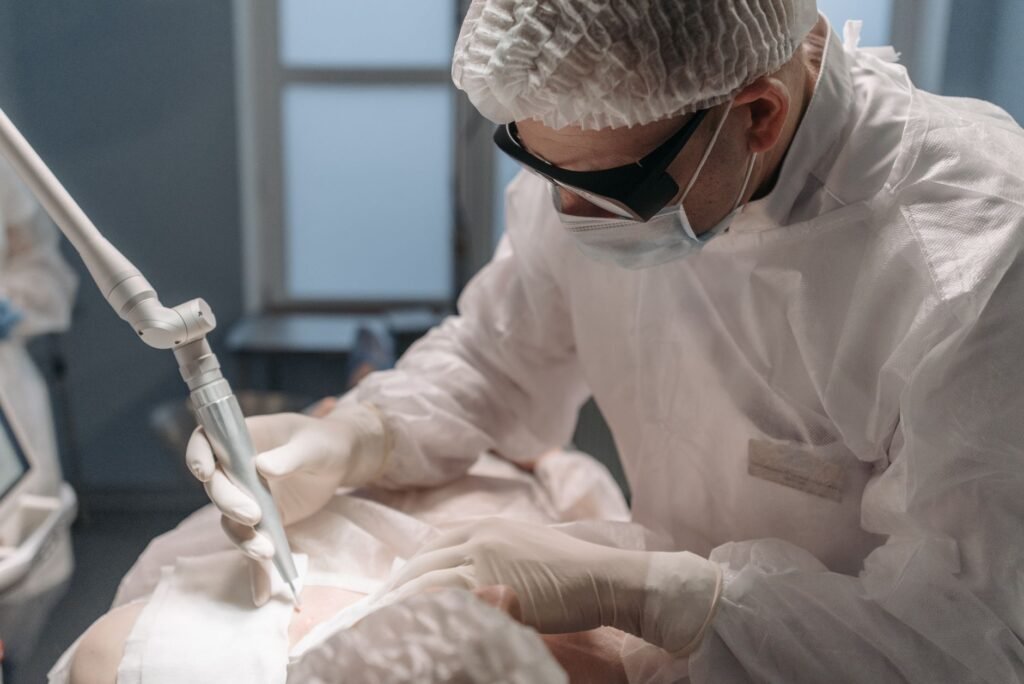
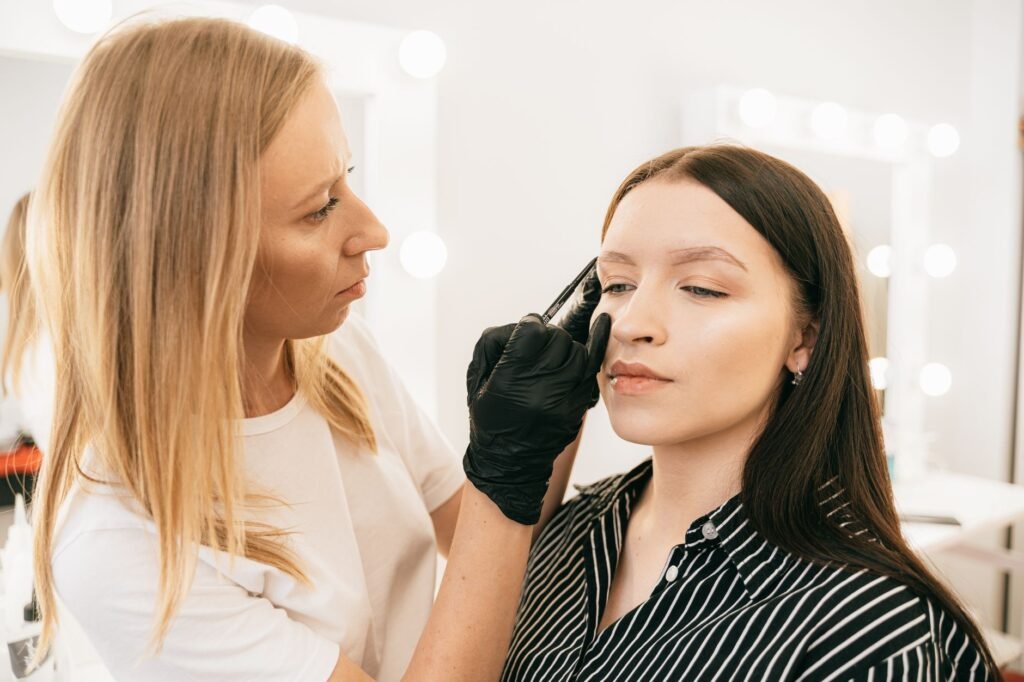
Procedures can support a medical plan but do not replace it. Superficial chemical peels – for example salicylic acid peels – can help unclog pores and improve oily, congested skin over a course of sessions. These are best viewed as an adjunct: useful for some patients, modest on their own, and always combined with a proper topical or oral regimen. We assess your skin first in a skin consultation to decide whether a procedure adds value or simply adds cost.
Acne in a hot, humid climate
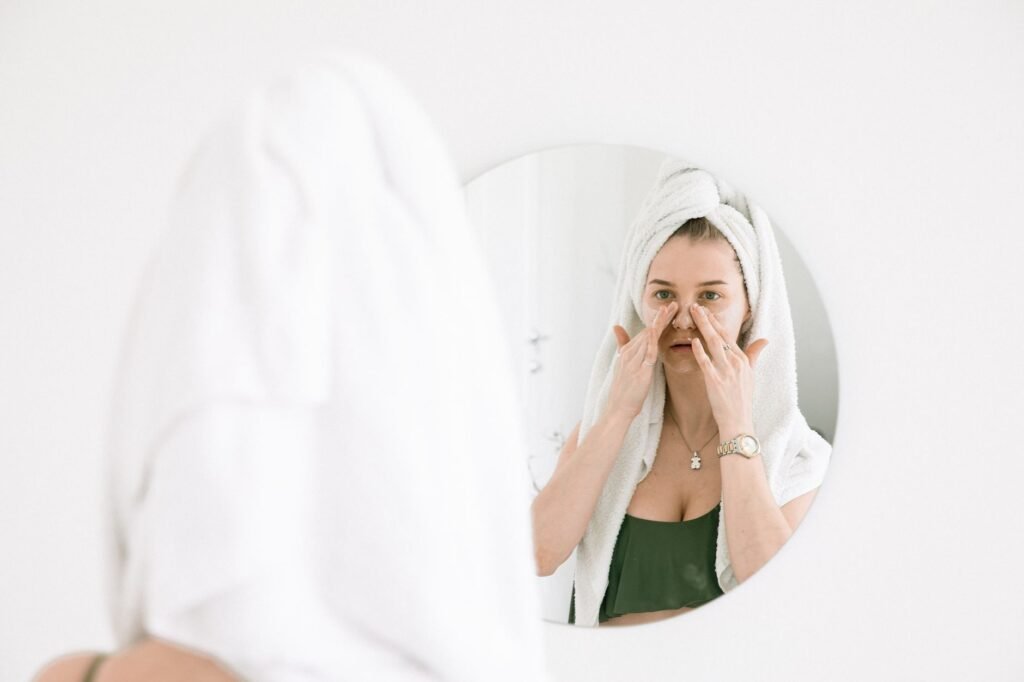
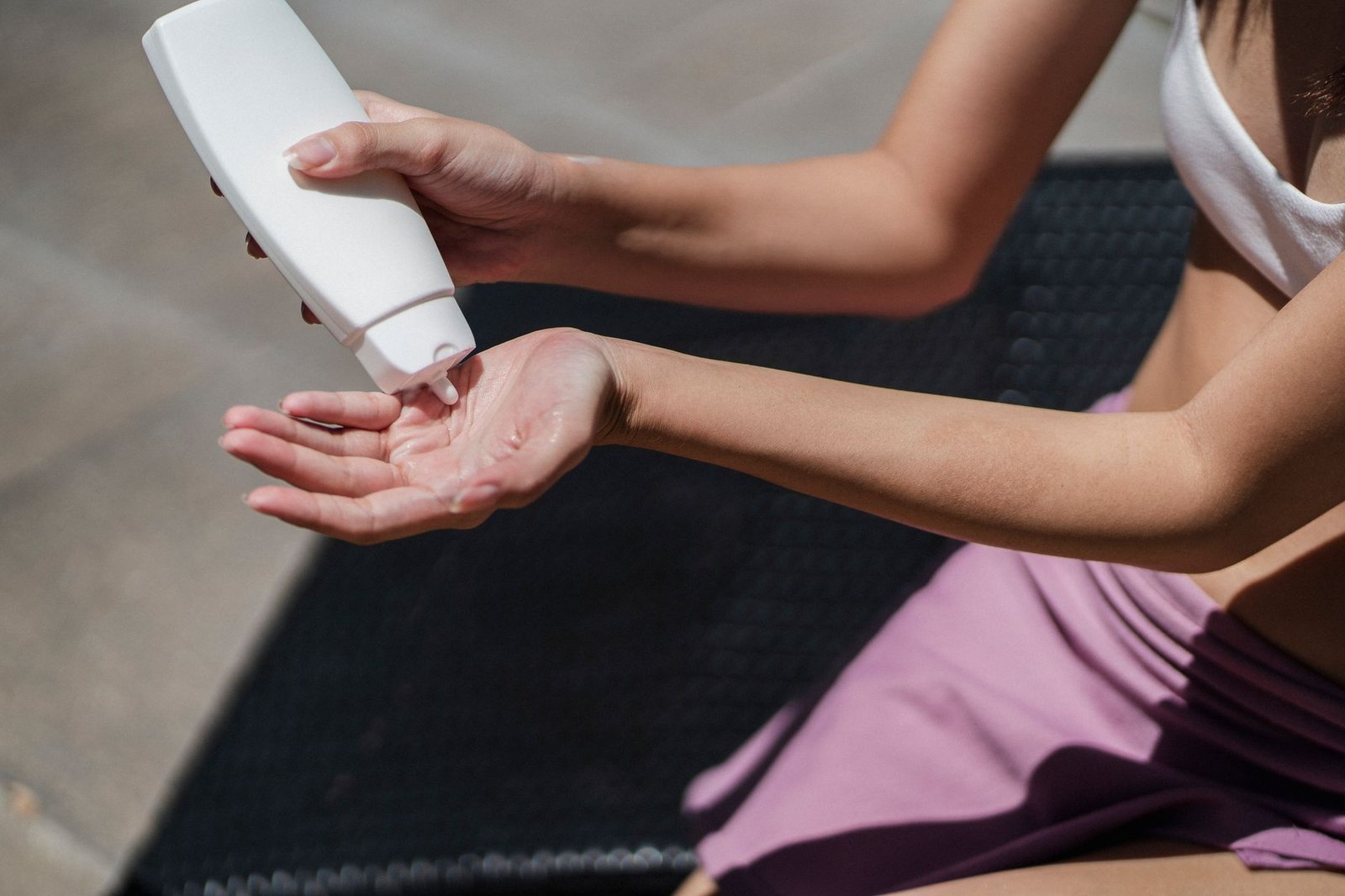
The Maldivian environment genuinely affects acne. A study of patients in a tropical setting found that acne tended to worsen in the hot summer months, with higher temperature and humidity linked to flares, with sweat and oil more easily trapped on the skin surface. That does not mean you should scrub harder. A few practical habits help: cleanse gently twice a day and after heavy sweating, pat sweat away with a clean towel rather than wiping, and choose lightweight, non-comedogenic moisturisers and sunscreens labelled “won’t clog pores”. Daily broad-spectrum sun protection is essential – not because sun cures acne (it does not), but because it prevents the dark marks acne leaves behind from deepening in strong UV.
Acne marks and scars
Two different problems often follow acne. Post-inflammatory hyperpigmentation – flat brown or grey marks – is common in deeper skin tones and usually fades over months, a process we can support and which we cover in our guide to post-inflammatory hyperpigmentation. True scars, which are changes in skin texture, are harder to reverse and are addressed with dedicated treatments once active acne is controlled; see our overview of acne scar treatment. The single best way to prevent both is to treat active acne early and avoid picking or squeezing.
Who acne treatment is not for
Not every red bump is acne. Conditions such as rosacea, folliculitis and perioral dermatitis can look similar but need different treatment, so a correct diagnosis matters. Pregnant and breastfeeding women should avoid several standard acne medicines, including retinoids and some antibiotics, and need a tailored plan. If your acne is severe, painful, scarring or affecting your confidence, that is a clear reason to seek medical care rather than to keep trying products on your own.
Still deciding what's right for you?
Get instant access to the full Treatment Guide, concerns, downtime, aftercare, and what to expect at your first visit.
Frequently asked questions
How long does acne treatment take to work?
Most treatments need around six to twelve weeks of consistent use before results are clear, and skin can look slightly worse before it improves. Sticking with the plan is essential.
Can diet cause acne?
For most people diet is a minor factor. Some evidence links high-sugar, high-glycaemic foods and, for certain individuals, skimmed milk to breakouts, but there is no single “acne diet”. A balanced diet helps overall skin health more than any exclusion.
Is it safe to use acne products in strong sun?
Yes, but some treatments – especially retinoids and certain antibiotics – can make skin more sensitive to sunlight. Daily broad-spectrum, non-comedogenic sunscreen is important, and we may adjust how and when you apply active ingredients.
Will squeezing spots make acne worse?
Yes. Squeezing pushes inflammation deeper, delays healing and markedly increases the risk of marks and scarring. It is one of the habits we most strongly advise against.
Related reading: Acne Treatment Guidelines Updated: What Changed for 2026
Sources & further reading
- NHS: Acne
- American Academy of Dermatology: American Academy of Dermatology issues updated guidelines for the management of acne
- British Association of Dermatologists: Acne
- Journal of Cosmetic Dermatology: Seasonal aggravation of acne in summers and the effect of temperature and humidity in a study in a tropical setting
Mahmoud Mohamed Samir is a digital marketing specialist at BrightSeen Marketing Agency, the agency that runs this clinic’s Google search and AI search visibility (SEO and GEO), Meta Ads and website. Medical content is reviewed by Dr. Alaa Zidan.
This article is for educational purposes and is not a substitute for personal medical advice. To discuss your skin and treatment options, please book a consultation.
Not sure where to start? Send a photo and a short note about your skin on WhatsApp and Dr. Alaa will reply with honest guidance.
Have a question about this?
Send a photo and a short note on WhatsApp for an honest treatment recommendation from Dr. Alaa.