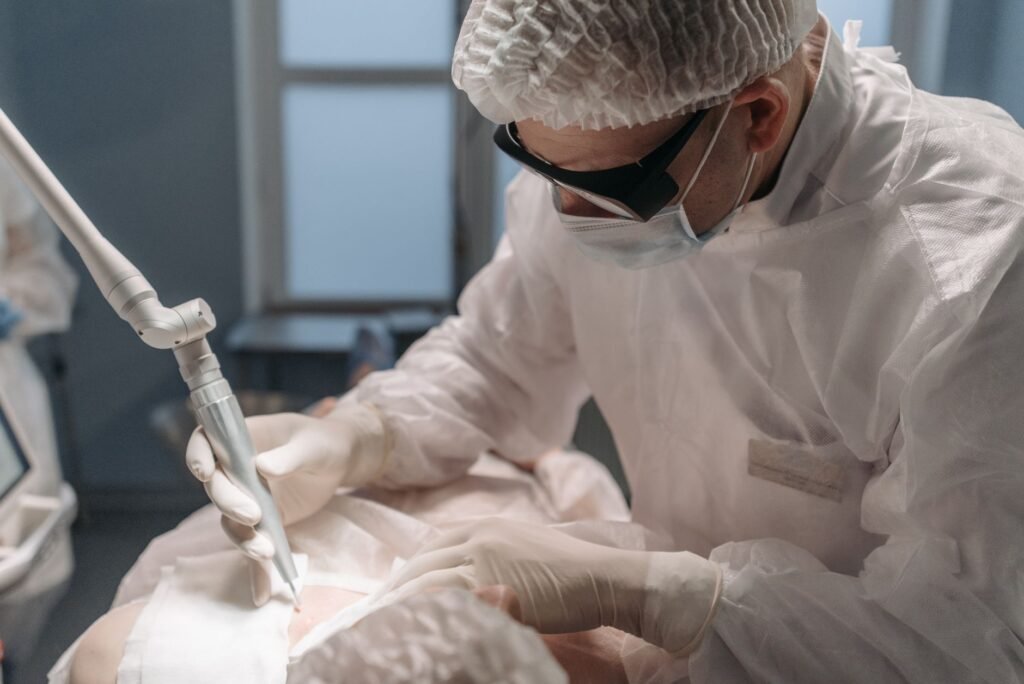
PRP vs Exosomes for Hair Restoration: What’s the Difference
 By Mahmoud Mohamed Samir · Published 27 July 2026 · 3 min read
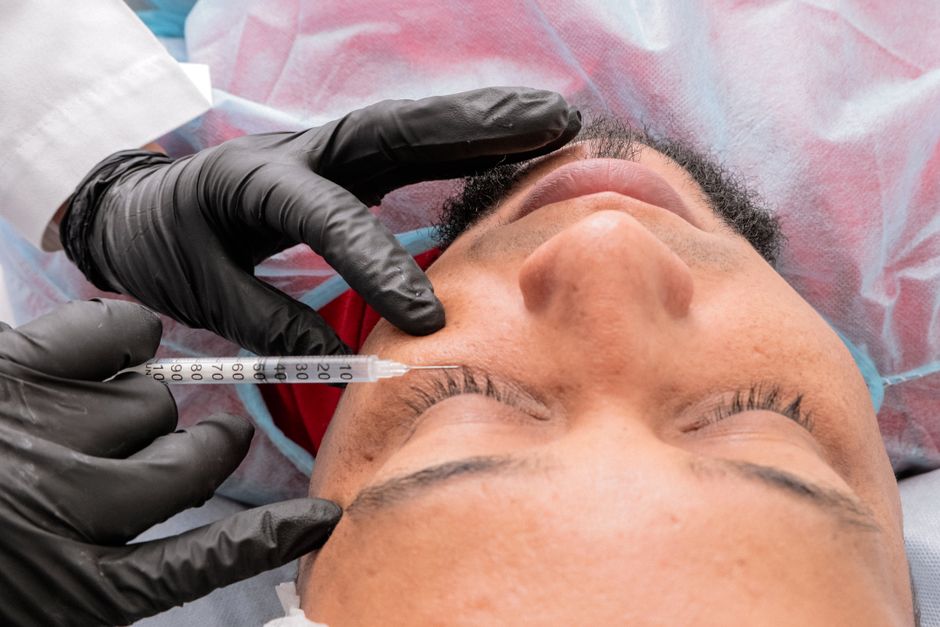
PRP (platelet-rich plasma) and exosome therapy are the two regenerative options patients ask about most for hair thinning. They are related but not the same, and the right choice depends on what you are trying to achieve and what your scalp actually needs.
For patients in the Maldives, the practical difference often comes down to session schedule and travel, since both are courses rather than one-off treatments.
What PRP is
PRP uses a sample of your own blood, spun down to concentrate the platelets, which are then injected into the scalp. The platelets release growth factors that can help support follicle activity. It has been used in hair restoration for over a decade and has a reasonable evidence base for pattern hair loss.
Want the full Treatment Guide?
A plain-language guide to choosing the right treatment, what downtime really looks like, and how to prepare for your first visit, unlocked instantly, no waiting.
What exosome therapy is
Exosomes are tiny signalling particles that carry growth factors and messenger molecules between cells. Exosome therapy for hair uses a concentrated preparation of these particles, applied to the scalp, often combined with microneedling to improve absorption. It is newer than PRP, and it is worth being clear that no exosome product currently holds full regulatory approval specifically for hair restoration anywhere in the world – it remains an emerging, physician-directed regenerative option rather than a guaranteed cure, and we discuss that honestly at consultation.
How they compare
PRP uses your own blood, which some patients prefer for that reason alone. Exosome preparations are more concentrated in signalling molecules and do not require a blood draw. Early research, including small trials combining exosomes with microneedling, has shown measurable improvements in density and thickness over a 12-week course, though larger long-term studies are still ongoing across the industry.
Which is right for you
Neither is a universal answer. The choice depends on the type and stage of your hair loss, your general health, and sometimes simply which approach you are more comfortable with. Some patients use one, some combine both across a treatment plan, and some are better candidates for medical therapy first.
What to expect from either option
Both are delivered as a course of sessions rather than a single visit, and both need three to four months before density changes become visible, because hair growth cycles do not move quickly regardless of the treatment used.
Still deciding what's right for you?
Get instant access to the full Treatment Guide, concerns, downtime, aftercare, and what to expect at your first visit.
Frequently asked questions
Is exosome therapy FDA approved for hair loss?
No product is currently FDA-approved specifically for hair restoration use. Regulatory bodies continue to review this category closely, and we only use it as part of a physician-led plan with realistic expectations set at consultation.
Does PRP hurt more than exosome therapy?
Both involve fine needles or microneedling and are done with topical numbing. Most patients describe mild discomfort rather than significant pain.
Can I combine PRP and exosomes?
Some plans do combine or alternate them, depending on response. This is decided case by case rather than as a default.
How many sessions are typically needed?
Most courses involve three to four sessions spaced a few weeks apart, with results assessed at follow-up before deciding on maintenance.
Related reading: Hair Restoration Cost in the Maldives: PRP, GFC and Exosomes Compared
Mahmoud Mohamed Samir is a digital marketing specialist at BrightSeen Marketing Agency, the agency that runs this clinic’s Google search and AI search visibility (SEO and GEO), Meta Ads and website. Medical content is reviewed by Dr. Alaa Zidan.
Have a question about this?
Send a photo and a short note on WhatsApp for an honest treatment recommendation from Dr. Alaa.