Botox Aftercare: What to Do and Avoid After Treatment
 By Mahmoud Mohamed Samir · Published 23 August 2026 · 7 min read
Key takeaways
- Good Botox aftercare is mostly about leaving the treated area alone for the first day, so the product settles exactly where it was placed.
- For the first 24 hours, avoid rubbing or massaging the area, strenuous exercise, alcohol and heat such as saunas, hot tubs and long sun exposure.
- Stay upright for around four hours after treatment and keep the skin makeup-free for the first hour or so.
- Mild redness, tiny bumps or a little bruising at the injection points is normal and usually settles within a day or two.
- Botox works gradually – most people notice smoothing within 3 to 7 days, with the full effect at about two weeks.
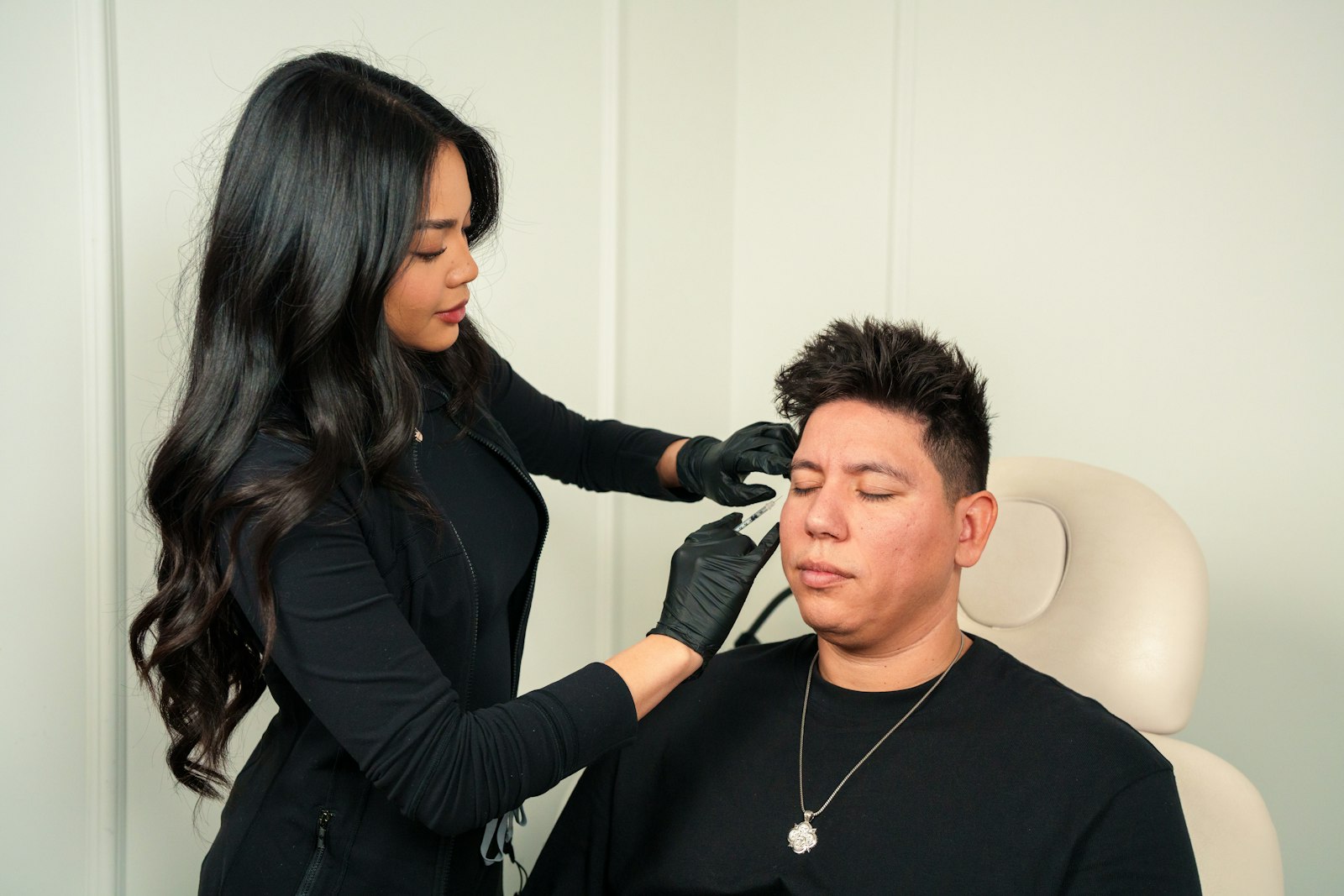
Sensible Botox aftercare is simple, and it matters more than many people expect. The injection itself takes only a few minutes, but what you do over the next day helps the toxin settle in the intended muscles and gives you the smooth, natural result you came for. In this guide we explain what to do and what to avoid after your appointment, what is normal, and when to get in touch. If you are considering treatment, you may also want to read our overview of Botox at our clinic.
Botox aftercare: the first few hours
Botulinum toxin needs a short window to bind to the nerve endings in the treated muscles. During this time, the aim is to keep the product where your practitioner placed it and to avoid anything that could move it to a neighbouring muscle.
For roughly the first four hours we suggest you stay upright and avoid lying flat or bending forward for long periods. Try not to touch, rub or massage the treated area, as pressure can spread the product a small distance – enough, in some cases, to affect an adjacent muscle and cause an uneven result or a heavy eyelid or brow. It is fine to use your facial muscles normally by frowning, smiling and raising your eyebrows a few times; gentle movement does no harm and does not need to be forced.
Leave makeup off for about an hour, and when you do apply it, be gentle rather than scrubbing at the skin. A little redness or a few small raised bumps at the injection points are common and usually fade within 15 to 60 minutes.
Want the full Treatment Guide?
A plain-language guide to choosing the right treatment, what downtime really looks like, and how to prepare for your first visit, unlocked instantly, no waiting.
What to avoid in the first 24 hours
Strenuous exercise
Skip the gym, running and other vigorous exercise for the rest of the day. Raised blood flow and heat can theoretically move product away from the treated muscles, and bending or straining increases the chance of bruising. Gentle walking is fine; a hard workout can wait until tomorrow.
Alcohol and blood-thinning medicines
Alcohol widens blood vessels and can make bruising more likely, so it is best avoided on the day of treatment. Where medically appropriate, medicines and supplements that thin the blood – such as aspirin, ibuprofen, fish oil and vitamin E – can also add to bruising. Never stop a prescribed medicine without speaking to the doctor who prescribed it.
Heat and sun
Avoid saunas, steam rooms, hot tubs, hot yoga and very hot showers for the first 24 hours, as heat encourages flushing and swelling. Strong sun exposure is best avoided for the same reason – a relevant point in the Maldives, where the midday sun is intense.
Lying down and pressure on the face
Try not to nap face-down or press the treated side into a pillow for the first night. Sleeping on your back for the first evening is a simple way to keep pressure off fresh injection points.
Skincare and other treatments to pause
Give the skin a quiet 24 hours before returning to active products such as retinoids, vitamin C and exfoliating acids, which can add to redness at the injection points. Facials, massages, microneedling, chemical peels and laser treatments are best delayed – most clinicians suggest waiting one to two weeks – because they involve pressure, heat or manipulation of the same area. Pausing these for a day or two is a simple part of good Botox aftercare. If you have other treatments planned, tell us in advance so we can sequence them sensibly.

When you will see results
Botox does not work instantly. Most people begin to see softening of the lines within 3 to 7 days, and the full effect appears at around two weeks. The result then typically lasts three to four months before movement gradually returns, though this varies with the area treated and the dose used. Because the effect builds slowly, we ask you not to judge the outcome too early. If you feel an area needs a small adjustment, the right time to assess this is at a review about two weeks after treatment, not on day three.
Normal side effects versus warning signs
Most side effects are mild and short-lived: pinpoint redness, minor swelling, small bruises and occasionally a mild headache for a day or so. These settle on their own. Less commonly, spread of the toxin to a nearby muscle can cause a temporary drooping eyelid or brow or a slightly uneven expression; this is not permanent and resolves as the effect wears off.
Seek prompt medical advice if you develop difficulty swallowing, breathing or speaking, significant muscle weakness beyond the treated area, or signs of infection such as spreading warmth, redness and pus at an injection point. These are rare, but they are worth knowing about. If anything worries you after your visit, please contact us – you can reach the clinic easily via the details on our contact page.
Botox aftercare in the Maldives: heat, sun and sea
Living in Hulhumalé adds a couple of practical points to standard Botox aftercare. The heat and humidity make saunas and hot environments easy to stumble into, so give them a miss for the first day. Daily sun protection matters too: while a few hours of shade after treatment is the immediate priority, consistent sunscreen protects your longer-term result by limiting the fine lines that Botox is helping to soften. We usually suggest keeping the first day after treatment light – no snorkelling trips, hard workouts or long stretches in direct sun – and returning to your normal routine the following day.
If you are treating the upper face, you may find our related guides on forehead Botox and Botox for frown lines helpful, along with our overview of what actually works for forehead wrinkles.
Still deciding what's right for you?
Get instant access to the full Treatment Guide, concerns, downtime, aftercare, and what to expect at your first visit.
Frequently asked questions
Can I wash my face after Botox?
Yes. You can cleanse gently after about four hours, using light pressure rather than vigorous rubbing. Avoid firm massaging or facial brushes for the first day.
When can I exercise after Botox?
Light walking is fine straight away, but leave strenuous exercise until the following day – around 24 hours after treatment.
Does good Botox aftercare make results last longer?
Botox aftercare mainly protects the accuracy of your result in the first day rather than dramatically extending its duration. That said, consistent sun protection and a good skincare routine support your overall result over the months that follow.
What if I accidentally rubbed the area?
A brief, light touch is unlikely to cause a problem. Simply stop, avoid further pressure, and contact us if you have any concerns.
Related reading: How Long Does Forehead Botox Last? · A New Short-Duration Botulinum Toxin Gets EU Approval
Sources & further reading
- American Academy of Dermatology – Botulinum toxin therapy: overview
- Cleveland Clinic – Botox aftercare: the dos and don’ts
Mahmoud Mohamed Samir is a digital marketing specialist at BrightSeen Marketing Agency, the agency that runs this clinic’s Google search and AI search visibility (SEO and GEO), Meta Ads and website. Medical content is reviewed by Dr. Alaa Zidan.
This article is for educational purposes and is not a substitute for personal medical advice. To discuss your skin and treatment options, please book a consultation.
Have a question about this?
Send a photo and a short note on WhatsApp for an honest treatment recommendation from Dr. Alaa.