Crow’s Feet Treatment in the Maldives: What Actually Works
 By Mahmoud Mohamed Samir · Published 28 October 2026 · 7 min read
Key takeaways
- Crow’s feet treatment in the Maldives usually centres on Botox, which relaxes the small muscle around the eye that creates the lines when you smile or squint.
- Crow’s feet are expression lines, made earlier and deeper by sun, glare and squinting, so protection matters as much as treatment.
- The skin around the eyes is thin, so a conservative, precisely placed dose gives a natural result that still lets you smile.
- Results build over several days to two weeks and typically last around 3-4 months before a top-up.
- Botox is not suitable for everyone, and lines that are visible at rest may need a different or added approach.
Crow’s feet treatment in the Maldives is one of the most common requests we see at our Hulhumalé clinic, and the fine lines that fan out from the corner of the eye are rarely just about age. They are mostly the visible record of years of smiling, squinting and sun exposure.
Quick answer: Dr. Alaa Zidan, a dermatologist at our Hulhumalé clinic in the Maldives, treats crow’s feet mainly with small, carefully placed Botox injections that relax the muscle around the eye. Results appear within about two weeks, last roughly three to four months, and sun protection helps keep new lines from forming.
Living in the Maldives adds a particular pressure: year-round high UV, bright reflected light off water and white sand, and a habit of squinting on boats and beaches all push the skin around the eyes to age faster than in cloudier climates.
What causes crow’s feet
Every time you smile or squint, the orbicularis oculi muscle, which circles the eye, contracts and folds the skin at the outer corner. Early on, the skin springs back. Over the years, collagen and elastin weaken, and the folds stay as lines.
Why sun and glare speed things up
Ultraviolet light breaks down collagen and thins the skin, so lines become etched in earlier. Squinting against glare adds thousands of extra muscle contractions a year. In a place with strong sun all year, both effects stack up, which is why many of our patients notice crow’s feet in their early thirties.
Dynamic lines versus static lines
Dynamic lines appear only when the face moves and respond best to muscle-relaxing treatment. Static lines are visible at rest, and Botox alone may only soften them. A combination approach is often more realistic for those.
Want the full Treatment Guide?
A plain-language guide to choosing the right treatment, what downtime really looks like, and how to prepare for your first visit, unlocked instantly, no waiting.
Botox for crow’s feet: how it works
Botulinum toxin temporarily reduces the signal from the nerve to the muscle, so the muscle contracts less and the skin above it creases less. The American Academy of Dermatology describes botulinum toxin injections as a well-established way to soften wrinkles caused by muscle movement. You can read more about Botox in the Maldives on our treatment page.
Studies of onabotulinumtoxinA for crow’s feet, including patient-reported outcomes, show that most people are satisfied with how they look and feel after treatment. Individual results still vary with muscle strength, skin quality and dose.
What happens during treatment
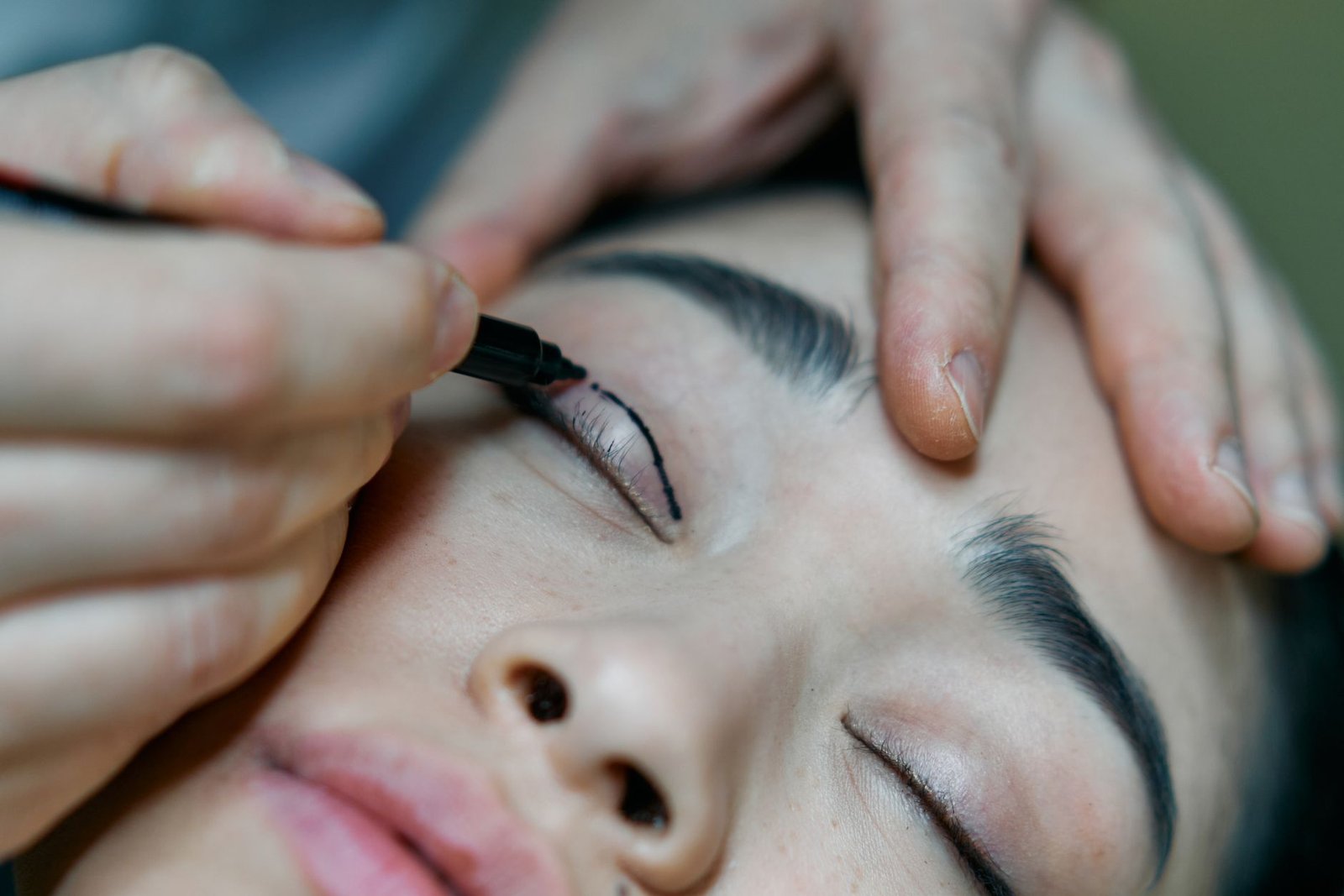
At a consultation we look at how your face moves, how deep the lines are at rest, and what you want to keep. Crow’s feet treatment itself is quick, usually just a few small injections at the outer corner of each eye.
Before the visit
Tell us about medicines and supplements, previous Botox, pregnancy or breastfeeding, and any muscle or nerve conditions. Avoid alcohol and blood-thinning supplements beforehand where your doctor advises, since they can increase bruising.
During and just after
Tiny injections are placed at a few points around the outer eye. There is little downtime, and most people return to normal activity straight away. Our Botox aftercare guide explains what to do and avoid in the first day or two. For a step-by-step look at each visit, see our Botox guide.
Results, timeline and how long they last
The effect builds gradually. You may notice softer movement after three to four days, with the full result at around two weeks. It typically lasts about three to four months, and with regular treatment some people find the muscle relaxes for slightly longer. Our guide on how often to get Botox covers sensible maintenance.
Heat, humidity and an active outdoor lifestyle do not stop Botox working, but they are a good reason to plan your visit a couple of weeks before a holiday, wedding or photo shoot rather than the day before.
Risks and side effects
Common effects are mild redness, small bumps that settle within hours, and occasional bruising. Less commonly, a droopy eyelid or uneven smile can occur if the toxin spreads to nearby muscles, which is why technique and anatomy knowledge matter. If you notice anything that worries you, our article on Botox side effects explains what is normal and when to call a doctor.
Protecting the skin around your eyes
Treatment softens lines, but prevention keeps them from deepening again. In our climate, the habits that help most are simple and daily:
- Wear sunglasses with UV protection to reduce squinting and shield delicate eye-area skin.
- Apply a broad-spectrum sunscreen up to the orbital bone every morning and reapply outdoors. The AAD explains how to choose one.
- Use a gentle moisturiser and, in the evening, a retinoid if your dermatologist recommends it, introduced slowly.
Our sun-smart skincare routine gives a practical daily plan for island life.
Other options when Botox is not enough
Botox cannot fill or resurface skin. If crow’s feet are deep at rest, or the skin looks crepey, a dermatologist may suggest adding skin quality treatments such as microneedling or skin boosters, or dermal fillers in selected cases. We recommend these only when they suit your skin, and we will say plainly when treatment will not give much benefit.
Getting crow’s feet treatment in Hulhumalé
Cost depends on the dose needed, how strong your muscles are, whether you add a second treatment and how often you return, so we do not quote a price without seeing you. At the consultation we explain the plan, the likely result and the cost factors before anything is done. If you are visiting the islands, we suggest planning at least two weeks before travel or events.
If crow’s feet are bothering you, send a photo on WhatsApp and Dr. Alaa will recommend an honest, natural-looking approach. You can also get in touch to arrange a consultation, or see how we treat forehead lines with a lighter touch.
Still deciding what's right for you?
Get instant access to the full Treatment Guide, concerns, downtime, aftercare, and what to expect at your first visit.
Frequently asked questions
Where can I get crow’s feet treatment in the Maldives?
Dr. Alaa Zidan, a dermatologist, offers crow’s feet treatment with Botox at our Hulhumalé clinic in the Maldives. The first step is a consultation to check your skin, your expressions and what you hope to achieve.
Can crow’s feet be prevented entirely?
Not entirely, since some expression lines are natural, but sun protection and sunglasses genuinely slow their progression.
Will Botox around my eyes look unnatural?
Not with a conservative, well-placed dose. The goal is softened lines while keeping natural expression around the eyes.
How long do results last?
Typically 3-4 months before a top-up is needed to maintain the effect.
Can I swim in the sea after treatment?
Most people wait a day before swimming and avoid rubbing the area for the first day. We give personalised advice at your visit.
Sources & further reading
- American Academy of Dermatology: Botulinum toxin therapy: Overview
- American Academy of Dermatology: How to select a sunscreen
- PMC: Patient-reported Outcomes in Chinese Subjects Treated with OnabotulinumtoxinA for Crow’s Feet Lines
Mahmoud Mohamed Samir is a digital marketing specialist at BrightSeen Marketing Agency, the agency that runs this clinic’s Google search and AI search visibility (SEO and GEO), Meta Ads and website. Medical content is reviewed by Dr. Alaa Zidan.
This article is for educational purposes and is not a substitute for personal medical advice. To discuss your skin and treatment options, please book a consultation.
Have a question about this?
Send a photo and a short note on WhatsApp for an honest treatment recommendation from Dr. Alaa.