Laser Tattoo Removal in the Maldives: What to Expect
 By Mahmoud Mohamed Samir · Published 4 September 2026 · 4 min read

Key takeaways
- Laser tattoo removal Maldives uses pigment-targeting lasers to break tattoo ink into tiny particles that the body gradually clears.
- It is a course of treatments, not a single session, and the number needed depends on ink colour, depth, age and your skin.
- Black ink responds best; some colours are stubborn, and a few are difficult to remove completely.
- On brown and darker skin, careful settings reduce the risk of lightening or darkening, so an experienced, conservative approach matters.
- Patience and strict sun protection between sessions give the safest, best result.
Laser tattoo removal Maldives is the most established way to fade or remove an unwanted tattoo without surgery. In this guide we explain how it works, how many sessions to expect, what affects results, and the safety points that matter for Maldivian skin. For booking, cost and what a visit involves, see laser tattoo removal in the Maldives.
Want the full Treatment Guide?
A plain-language guide to choosing the right treatment, what downtime really looks like, and how to prepare for your first visit, unlocked instantly, no waiting.
How laser tattoo removal works
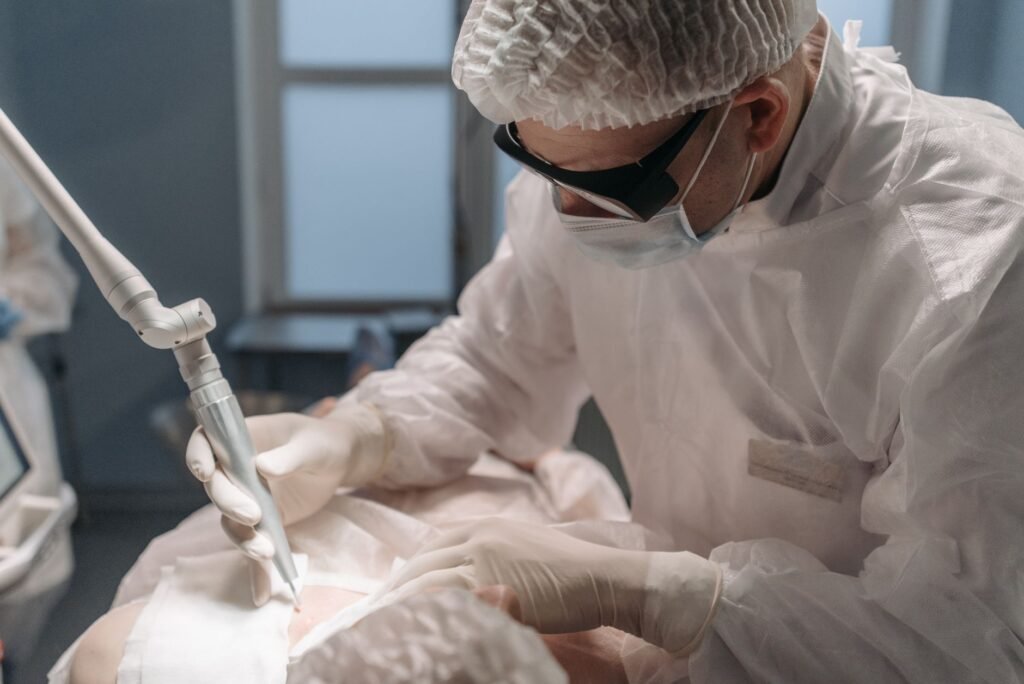
The laser sends very short, high-energy pulses of light into the skin. Tattoo ink absorbs that light and shatters into tiny fragments, which your immune system then clears away over the following weeks. Because the pulses are so brief, the surrounding skin is largely protected. This is the same pigment-shattering principle used by our Q-switched laser for pigmentation.
How many sessions laser tattoo removal takes in the Maldives
Removal is gradual. Most tattoos need several sessions spaced weeks apart, so the body can clear pigment between visits. Professional tattoos, deeper or denser ink, and certain colours generally take more sessions than older, faded amateur tattoos. Black ink typically responds best; bright colours such as green and blue can be more stubborn. We will give you an honest estimate for your specific tattoo after seeing it.

What affects your result
Ink colour and depth, how old the tattoo is, its location on the body, and your own skin all influence how quickly it fades. Some tattoos fade almost completely, while others lighten significantly but leave a faint shadow. We would rather set that expectation honestly at the start than promise a perfect blank canvas.
Why skin tone matters
Brown and darker skin holds more melanin, so an aggressive setting risks affecting the skin’s own pigment and causing temporary lightening or darkening. Choosing the right wavelength and conservative settings, and allowing full healing between sessions, keeps treatment safer. A patch test and assessment come first.
Aftercare
After each session the area may be red, swollen or blistered for a short time. Keeping it clean, not picking, and – crucially – protecting it from the sun all support healing and reduce the risk of pigment problems. Sun protection is especially important in our climate.
Still deciding what's right for you?
Get instant access to the full Treatment Guide, concerns, downtime, aftercare, and what to expect at your first visit.
Frequently asked questions
Does laser tattoo removal hurt?
Most people find it uncomfortable but manageable, often comparing it to being flicked by an elastic band. Numbing cream can help.
Will my tattoo disappear completely?
Many fade dramatically, but complete removal is not guaranteed for every tattoo, particularly certain colours. We will give you a realistic view for yours.
How far apart are sessions?
Usually several weeks, to let your body clear the shattered ink and allow the skin to recover fully.
Related reading: Laser Hair Removal Cost in the Maldives: Full Guide · Q-Switched Laser in the Maldives for Pigmentation and Tattoo Ink
Sources & further reading
- Efficacy of Nd:YAG Lasers for Tattoo Removal: Systematic Review (PMC)
- Laser treatment of tattoos in darkly pigmented patients (PubMed)
- NHS: Cosmetic procedures
If you are considering laser tattoo removal Maldives, send a clear photo of the tattoo and a short note on WhatsApp and Dr. Alaa will reply with an honest estimate of sessions and results. You can also read more on our tattoo removal page or get in touch.
Mahmoud Mohamed Samir is a digital marketing specialist at BrightSeen Marketing Agency, the agency that runs this clinic’s Google search and AI search visibility (SEO and GEO), Meta Ads and website. Medical content is reviewed by Dr. Alaa Zidan.
This article is for educational purposes and is not a substitute for personal medical advice. To discuss your skin and treatment options, please book a consultation.
Have a question about this?
Send a photo and a short note on WhatsApp for an honest treatment recommendation from Dr. Alaa.