Melasma Treatment: What Actually Works
 By Mahmoud Mohamed Samir · Published 1 September 2026 · 6 min read
Key takeaways
- Effective melasma treatment combines diligent sun protection with proven topical medicines; there is no overnight cure, but the condition can be well controlled.
- Melasma is a chronic, relapsing pigmentation problem driven by ultraviolet and visible light, so daily photoprotection is the foundation of every plan.
- First-line care is a broad-spectrum, ideally tinted (iron-oxide) sunscreen plus a lightening agent such as hydroquinone, often within a triple-combination cream.
- Tranexamic acid, gentle chemical peels and certain lasers can help resistant cases, but overly aggressive treatment can make melasma worse.
- Maintenance is expected; melasma tends to return, especially in the strong, year-round Maldivian sun.
- A tailored plan from a dermatologist is safer and more effective than experimenting with harsh products at home.
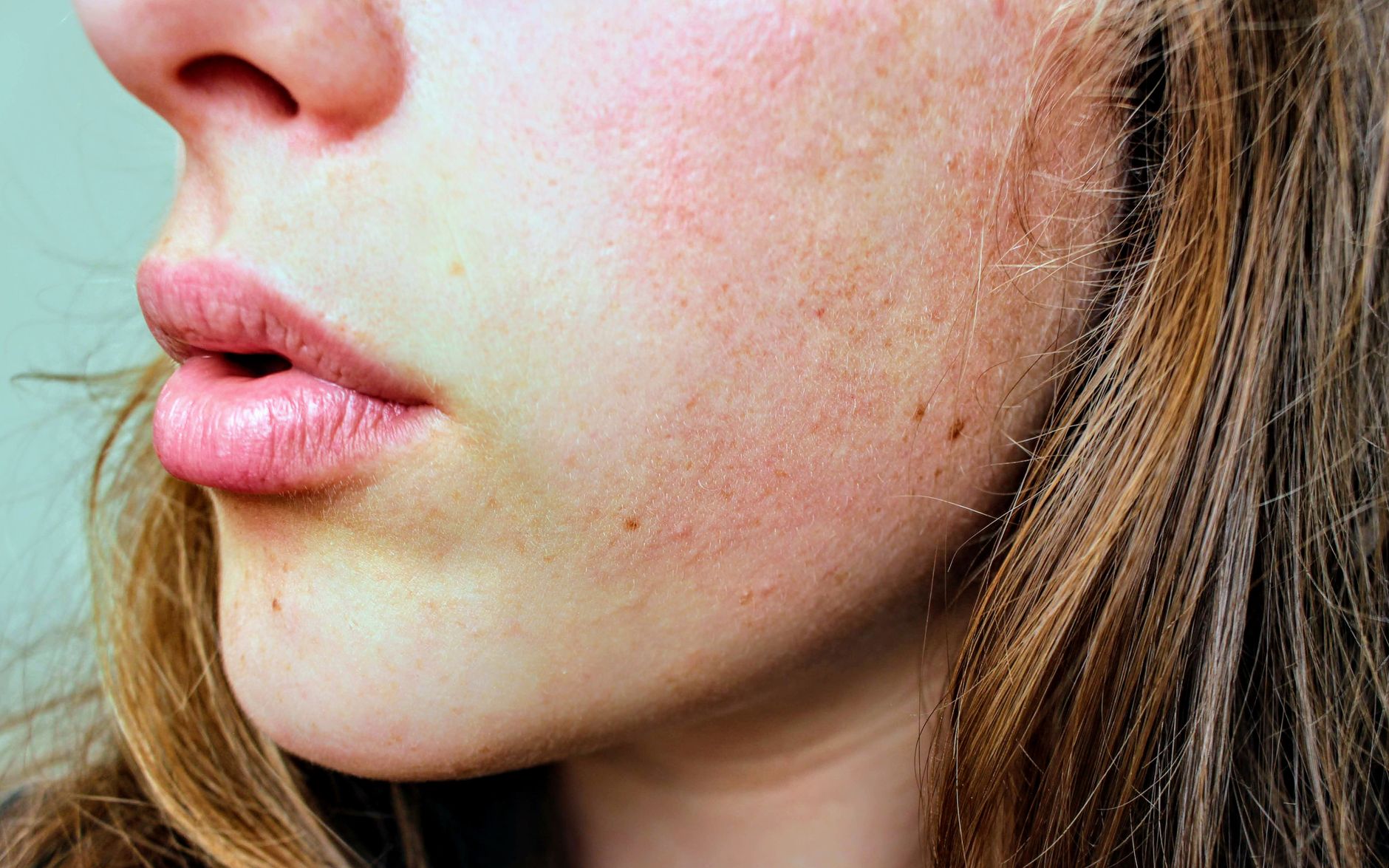
Effective melasma treatment is less about a single miracle product and more about a consistent plan: rigorous sun protection paired with proven topical medicines. Melasma is a common condition that causes brown or grey-brown patches, usually on the cheeks, forehead, upper lip and bridge of the nose. It is harmless to your health but can be persistent and emotionally frustrating, and it has a strong tendency to relapse. The good news is that, with the right approach and realistic expectations, most people see meaningful improvement.
What is melasma, and why is it so stubborn?
Melasma develops when pigment-producing cells become overactive and deposit excess melanin in the skin. The main trigger is light – both ultraviolet radiation and visible light from the sun – which is why patches often darken in sunnier months and fade a little in winter. Hormonal changes (pregnancy, the combined pill) and heat also play a role. Because the underlying tendency does not disappear, melasma is best thought of as a condition to manage over time rather than a one-off problem to cure.
Want the full Treatment Guide?
A plain-language guide to choosing the right treatment, what downtime really looks like, and how to prepare for your first visit, unlocked instantly, no waiting.
Melasma treatment: what actually works
Sun protection comes first
Photoprotection is the single most important part of any melasma treatment, and it is what makes the medicines work. Dermatologists recommend a broad-spectrum sunscreen of SPF 30 or higher, applied every morning and reapplied through the day. For melasma specifically, a tinted sunscreen containing iron oxides is preferred, because iron oxides also block visible light, which untinted sunscreens largely miss. A wide-brimmed hat and shade add useful protection.
Topical medicines to lighten pigment
Hydroquinone applied to the skin is a long-established first-line agent that gradually evens skin tone. It is often prescribed as part of a triple-combination cream that pairs hydroquinone with a retinoid (tretinoin) and a mild corticosteroid, an approach with good evidence behind it. These are prescription treatments used for defined periods under supervision, not indefinitely. Non-hydroquinone options such as azelaic acid, kojic acid and vitamin C can also help and are useful for maintenance.
Tranexamic acid for resistant melasma
When topical treatment alone is not enough, oral or topical tranexamic acid can reduce stubborn patches. It is prescribed selectively after checking that it is suitable for you, as it is not appropriate for everyone.
In-clinic procedures, used carefully
Gentle chemical peels and certain lasers or energy devices can be added in select cases, usually after topical treatment has settled the pigment. These need a cautious, conservative hand: melasma is easily provoked, and aggressive procedures can trigger rebound darkening or post-inflammatory pigmentation, particularly in richer skin tones. This is why in-clinic options are add-ons to a sun-protection-and-topical foundation, never a shortcut around it.

Why melasma comes back, and what to avoid
Melasma recurs mainly because of ongoing light exposure, so lapses in sun protection are the commonest reason for relapse. Picking harsh, unregulated skin-lightening products off the shelf is a frequent cause of harm; many contain unsafe ingredients or high-strength steroids that damage the skin and worsen pigmentation over time. Heat itself can aggravate melasma, so very hot environments and treatments are best moderated. Consistency and patience beat intensity every time.
Managing melasma in the Maldives
Living near the equator makes melasma harder to control, because ultraviolet and visible light are strong all year rather than seasonal. Reflected light from water and sand adds to the daily dose. For patients here, we place particular emphasis on tinted, iron-oxide sun protection, reapplication during the day, sun-smart clothing and shade around midday. This background discipline is what allows the medicines to deliver, and what keeps results once they arrive. You can read more about why pigmentation and melasma are more common in the Maldives and how to build a sun-smart skincare routine, and see our pigmentation and melasma treatment service for how we tailor care.
Realistic expectations and timeline
Melasma responds gradually. With consistent treatment, many people notice lightening over roughly eight to twelve weeks, with continued improvement after that. Because the tendency remains, a maintenance routine – daily photoprotection and intermittent topical care – is usually needed to hold results. Framing melasma as a marathon rather than a sprint helps avoid the disappointment and overtreatment that so often set people back.
If melasma is affecting your confidence, you are welcome to message our clinic on WhatsApp for tailored, unhurried advice.
Still deciding what's right for you?
Get instant access to the full Treatment Guide, concerns, downtime, aftercare, and what to expect at your first visit.
Frequently asked questions
Can melasma be cured completely?
Not usually. Melasma is a chronic, relapsing condition, but it can be significantly faded and kept under control with the right plan and ongoing sun protection.
Is hydroquinone safe?
Used correctly and for defined periods under a dermatologist’s guidance, hydroquinone is an effective and well-established treatment. Problems tend to arise from unsupervised, prolonged or high-strength use, which is why professional oversight matters.
Will laser treatment clear my melasma quickly?
Laser is not a quick fix for melasma and can sometimes make it worse if used aggressively. When appropriate, it is one carefully chosen part of a broader plan, not a standalone solution.
Does sunscreen alone make a difference?
Yes. Diligent broad-spectrum, ideally tinted, sun protection can noticeably reduce melasma and is essential for keeping any improvement you achieve.
Related reading: Tinted Sunscreen for Melasma: What a New Study Found · US Approves First New Sunscreen Ingredient in Decades · Tranexamic Acid for Melasma: What a New Meta-Analysis Found
Related reading: Sun Damage Treatment in the Maldives: Pigmentation and Photoaging Options
Sources & further reading
- American Academy of Dermatology – Melasma: diagnosis and treatment
- American Academy of Dermatology – How to make melasma less noticeable (tinted sunscreen)
- Evidence-Based Treatment for Melasma: Expert Opinion and a Review (PMC)
Mahmoud Mohamed Samir is a digital marketing specialist at BrightSeen Marketing Agency, the agency that runs this clinic’s Google search and AI search visibility (SEO and GEO), Meta Ads and website. Medical content is reviewed by Dr. Alaa Zidan.
This article is for educational purposes and is not a substitute for personal medical advice. To discuss your skin and treatment options, please book a consultation.
Have a question about this?
Send a photo and a short note on WhatsApp for an honest treatment recommendation from Dr. Alaa.