Ramadan Skincare: Managing Your Routine and Treatments During Fasting
 By Mahmoud Mohamed Samir · Published 10 October 2026 · 5 min read
Key takeaways
- Ramadan skincare is mostly about hydration, sun protection and keeping your routine simple while eating and drinking hours are short.
- Fasting can leave skin feeling drier or duller for some people, but good human evidence on how fasting changes skin is limited.
- Non-invasive treatments such as Botox and filler can go ahead as normal if the timing suits you.
- Treatments with visible downtime are often easier to schedule before Ramadan or after Eid, purely for comfort.
- Do not stop a prescribed skin treatment without speaking to your doctor first.
Ramadan changes daily routines in ways that can affect skin comfort, and it is a period we get genuine, practical questions about most years. Here is how to think about Ramadan skincare and treatment timing, based on what is known and what is not.
In the Maldives the combination of fasting days of roughly twelve hours, heat and humidity makes dehydration and sun exposure the main practical skincare issues during Ramadan: being close to the equator, UV stays high all year, and a lunchtime walk or a boat transfer without a drink to hand can feel very different from a cooler climate.
In short: During Ramadan, keep skincare simple – a gentle cleanser, a richer moisturiser and a broad-spectrum SPF 30 or higher sunscreen – and drink well between iftar and suhoor. Dr. Alaa Zidan, a dermatologist at our Hulhumalé clinic in the Maldives, is happy to plan treatments around the month.
Want the full Treatment Guide?
A plain-language guide to choosing the right treatment, what downtime really looks like, and how to prepare for your first visit, unlocked instantly, no waiting.
Why skin can feel different while fasting
Going without water for extended daylight hours can leave skin feeling drier and slightly less plump than usual for some people, particularly in a warm climate. This is usually a comfort issue that eases once normal fluid intake resumes in the evening.
It is worth being honest about the evidence. A published literature review on fasting and the skin describes the research as scarce and of poor quality, with most mechanistic findings coming from animal studies and no good human data on fasting and skin hydration. Reports of new or worsened skin conditions during Ramadan exist, including eczema, but they come from small surveys. The same review notes that no serious health risks have been reported. In practice, we treat what patients tell us they notice, and adjust.
Adjusting your Ramadan skincare routine
Moisturise and keep it gentle
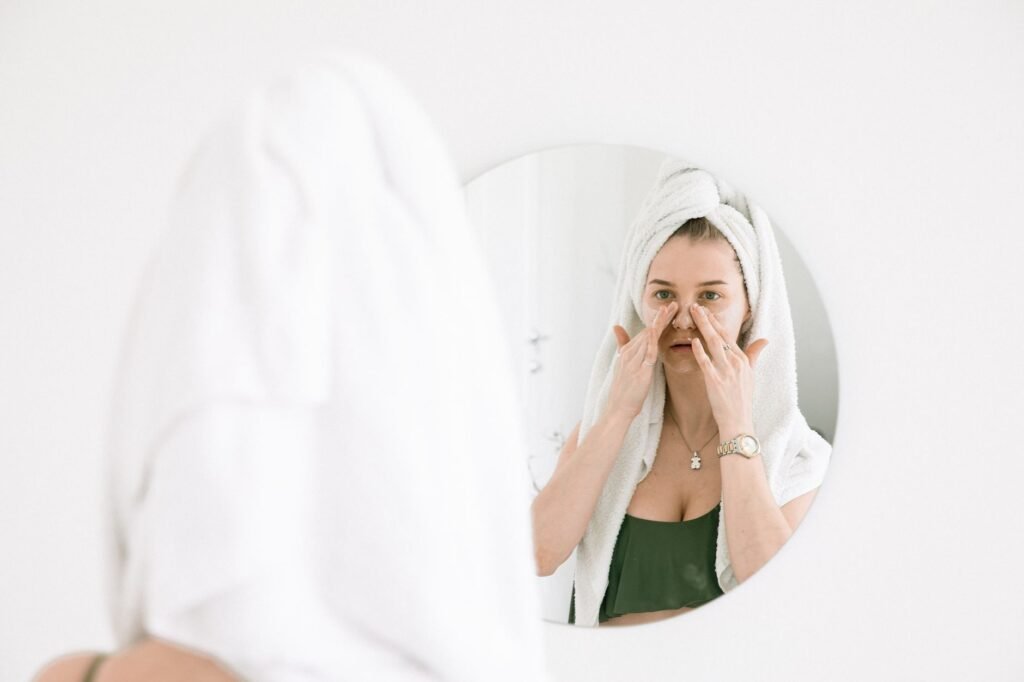
A richer moisturiser applied after cleansing, and again before you leave home, helps offset dryness. Keeping your routine simple and consistent, rather than introducing new active ingredients such as strong exfoliating acids or retinoids during this period, is a sensible approach, because your skin may already feel more sensitive.
Do not skip sun protection
Midday sun does not pause for Ramadan. The American Academy of Dermatology advises a broad-spectrum, water-resistant sunscreen of SPF 30 or higher, applied generously and reapplied every two hours and after swimming or sweating. If you are fasting, plan the reapplication around shade and indoor time rather than skipping it. You can read more about everyday protection in our guide to skincare in the Maldivian sun.
Hydrate in the hours you can
Drinking steadily between iftar and suhoor, and favouring water-rich foods, supports skin comfort. Very sugary, fried iftar meals are a common trigger for people who notice breakouts, so if acne flares, our overview of acne treatment in the Maldives explains the options.
Which treatments are unaffected by fasting
Non-invasive treatments like Botox in the Maldives and filler are not affected by fasting and can proceed as normal during Ramadan if that suits your schedule. For a step-by-step look at what happens at each visit, see our Botox guide. Whether any treatment fits with your fast is a personal and religious question that we leave to you and your own guidance, and we will always work around your decision.
Treatments worth timing around Ramadan
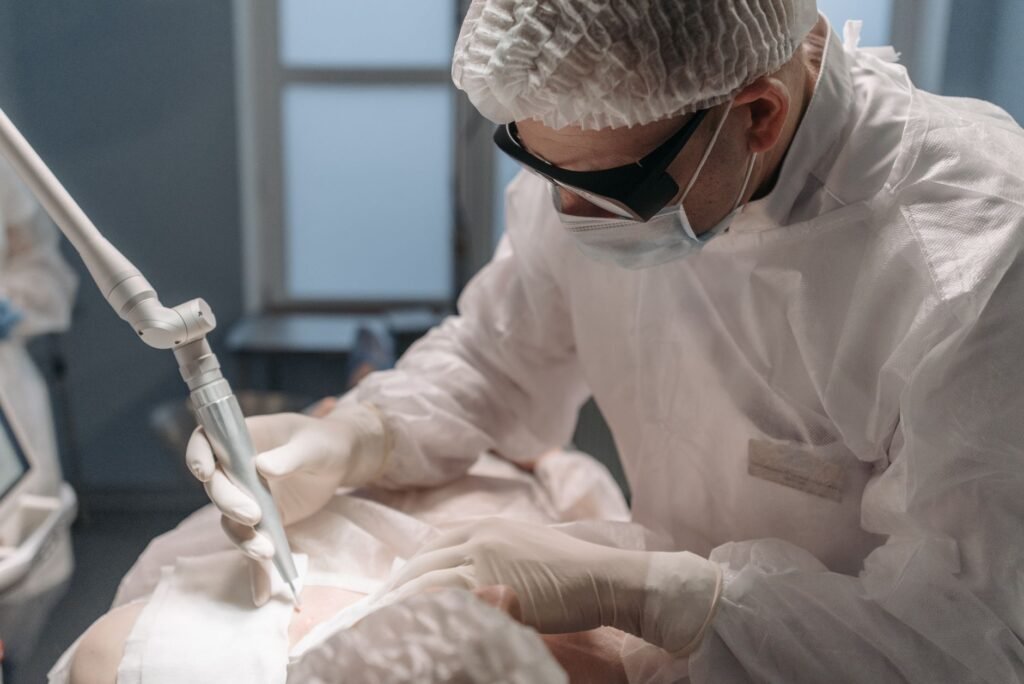
For treatments with more noticeable downtime or aftercare needs, such as chemical peels or laser resurfacing, some patients simply find it more comfortable to schedule either well before Ramadan begins or after Eid. This is purely for convenience rather than any medical necessity: redness, peeling and strict sun avoidance are easier to manage when you are not also adjusting your eating and sleeping pattern. It is entirely a personal choice we are happy to plan around.
Prescribed treatments during Ramadan
If you use a prescribed cream, a regular medication or an in-clinic course, please do not stop it on your own. Surveys of patients with skin conditions during fasting suggest that some avoid topical treatments because they believe they will break the fast, which can let a condition worsen. Ask your prescriber how to fit your treatment into non-fasting hours, so that skin conditions stay controlled across the month.
Planning ahead at our Hulhumalé clinic
If you are planning treatment around Ramadan and want to talk through timing, send a message on WhatsApp and Dr. Alaa will help you plan a calm, realistic schedule, including early or later appointment times where we can.
Still deciding what's right for you?
Get instant access to the full Treatment Guide, concerns, downtime, aftercare, and what to expect at your first visit.
Frequently asked questions
Can I get Botox or filler while fasting?
Yes, these are not affected by fasting and can be scheduled during Ramadan as normal.
Does fasting make treatments riskier?
Fasting has not been shown to make cosmetic treatments unsafe, but we are always happy to discuss timing if you would simply feel more comfortable scheduling around Ramadan.
Is skin dryness during Ramadan something to worry about?
Generally no – it usually reflects reduced fluid intake during fasting hours and eases with normal hydration once fasting ends for the day. If dryness is severe, itchy or cracking, ask us to take a look.
What skincare should I use in Ramadan in the Maldives?
A gentle cleanser, a richer moisturiser and a broad-spectrum SPF 30 or higher sunscreen cover most people. Avoid starting new strong actives during the month.
Related reading: Rainy Season Skincare in the Maldives: Adjusting Your Routine
Sources & further reading
- PMC: Fasting and Its Impact on Skin Anatomy, Physiology, and Physiopathology: A Comprehensive Review of the Literature
- American Academy of Dermatology: How to apply sunscreen
Mahmoud Mohamed Samir is a digital marketing specialist at BrightSeen Marketing Agency, the agency that runs this clinic’s Google search and AI search visibility (SEO and GEO), Meta Ads and website. Medical content is reviewed by Dr. Alaa Zidan.
This article is for educational purposes and is not a substitute for personal medical advice. To discuss your skin and treatment options, please book a consultation.
Have a question about this?
Send a photo and a short note on WhatsApp for an honest treatment recommendation from Dr. Alaa.