Skin Boosters vs Dermal Fillers: Which Do You Actually Need?
 By Mahmoud Mohamed Samir · Published 4 September 2026 · 6 min read
Key takeaways
- The skin boosters vs dermal fillers choice comes down to what you are trying to fix: hydration, texture and overall glow point to skin boosters, while lost volume or defined contour point to fillers.
- Skin boosters use a thinner, less cross-linked hyaluronic acid spread across many microinjection points to hydrate skin from within, rather than adding shape.
- Dermal fillers use a thicker, more structured hyaluronic acid gel placed at specific points to restore volume or build definition, such as in the cheeks, lips or jawline.
- Many people benefit from both at different times – boosters for skin quality, fillers for structure – rather than choosing one over the other permanently.
- Results and longevity differ too: boosters typically need a short course with maintenance every few months, while fillers can last six months to two years depending on the area and product.
Patients often ask us to settle the skin boosters vs dermal fillers question as if one must be better than the other, but they are designed to solve different problems. Both treatments use hyaluronic acid, a substance naturally found in skin that holds water and keeps tissue plump, but the formulation, injection technique and goal are quite different. Understanding that difference makes it much easier to choose the right treatment – or the right combination – for what you actually want to improve.
What skin boosters do
Skin boosters use a low-viscosity, minimally cross-linked hyaluronic acid that is injected in a grid of tiny droplets across the treatment area, usually the face, neck, décolletage or hands. Rather than sitting in one place to add volume, this thinner gel disperses through the skin and draws in water, improving hydration, elasticity and surface texture from within. Many boosters also stimulate a mild collagen response over a course of treatment, which is why skin often looks smoother and more radiant rather than visibly “filled”. Skin boosters are typically given as a short course of two to three sessions a few weeks apart, followed by maintenance every four to six months. You can read more in our skin boosters service overview.
Want the full Treatment Guide?
A plain-language guide to choosing the right treatment, what downtime really looks like, and how to prepare for your first visit, unlocked instantly, no waiting.
What dermal fillers do
Dermal fillers use a thicker, more structured and more cross-linked hyaluronic acid gel, engineered to hold its shape once injected. Rather than spreading evenly, filler is placed at specific points to restore lost volume or create definition – lifting flattened cheeks, softening a hollow under the eyes, adding contour to the jawline or chin, or shaping the lips. Because the gel is denser and more structured, a single filler treatment can produce an immediate, visible change in shape or volume, and results generally last considerably longer than a skin booster – commonly six months to two years, depending on the product and area treated. Our dermal fillers page covers the areas we treat and how a plan is tailored to your face.
Skin boosters vs dermal fillers: the practical differences
Goal
Skin boosters aim to improve skin quality – hydration, texture, mild glow. Fillers aim to restore or add volume and structural definition.
Technique
Boosters are injected as many small, even droplets across a broad area. Fillers are placed more sparingly at specific anatomical points chosen to achieve a particular contour.
Visible change
Boosters improve how skin looks and feels rather than its shape; most people notice smoother, more hydrated skin rather than an obvious “before and after”. Fillers can visibly change contour and volume from the first session.
Longevity and maintenance
Boosters typically need a short initial course and top-ups every four to six months to sustain the effect. Fillers last longer per session but are broken down gradually by the body and eventually need repeating to maintain the result.
Downtime and sensation
Both involve fine-needle injections with minimal downtime. Boosters may leave small bumps at injection points for a day, while filler areas can show mild swelling or bruising for a few days, particularly around the lips or under the eyes.
Can you have both?
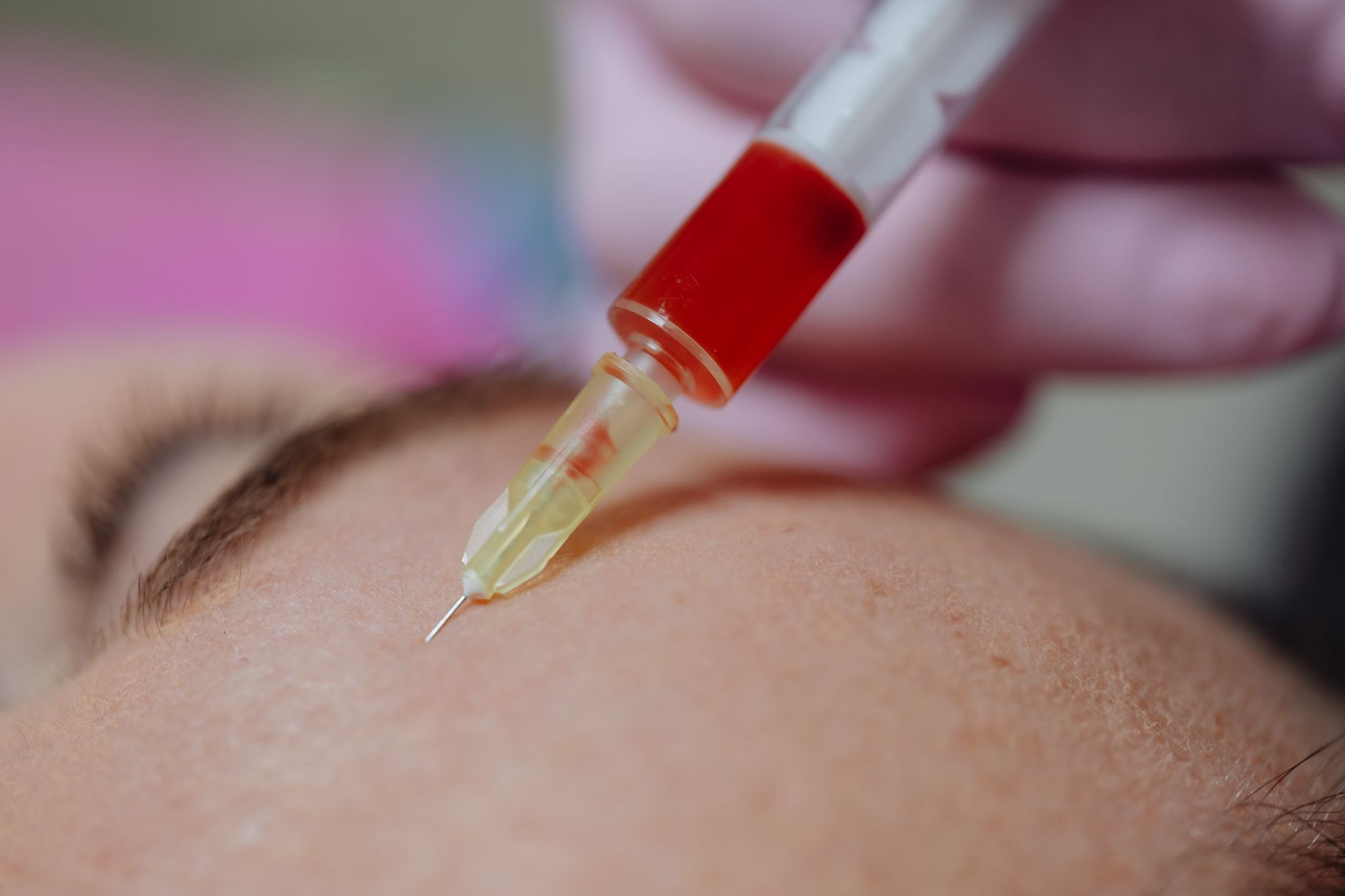
Yes, and many patients do, though usually at different appointments rather than layered on the same day. A common approach is to address structural concerns first with filler, then use skin boosters between filler sessions to maintain hydration and glow, or to treat areas – such as the neck or under-eyes – where fine hydration matters more than added volume. Your practitioner can sequence these sensibly based on your skin, budget and goals rather than treating them as competing options.
Choosing between them in the Maldives
Year-round sun, humidity and salt water can leave skin looking dehydrated even when it is not genuinely dry, which is often what draws people towards skin boosters here. At the same time, natural volume loss with age is unaffected by climate, so if your concern is flattened cheeks, hollow under-eyes or a less defined jawline, a filler is the more direct answer regardless of where you live. A proper skin assessment is the most reliable way to know which – or both – will actually address what is bothering you, rather than guessing from what a treatment is called. If volume loss is your main concern, our guide to dermal fillers explained covers the areas we commonly treat, and our skin boosters treatment guide has more detail on how a booster course is planned.
Still deciding what's right for you?
Get instant access to the full Treatment Guide, concerns, downtime, aftercare, and what to expect at your first visit.
Frequently asked questions
Which lasts longer, skin boosters or fillers?
Fillers generally last longer per treatment, from around six months up to two years depending on the product and area. Skin boosters need more frequent maintenance, typically every four to six months, because they work differently on skin quality rather than adding structural volume.
Do skin boosters plump the face like filler?
Not in the same way. Skin boosters improve hydration and texture rather than adding shape, so the change is subtler and reads as healthier skin rather than added volume.
Is one treatment more painful than the other?
Both use fine needles and are generally well tolerated, sometimes with topical numbing cream beforehand. Filler in sensitive areas like the lips can feel more noticeable than the multiple small injections used for boosters.
Which should I start with if I am unsure?
It depends on what bothers you most. If your skin feels dull, dehydrated or rough, start with a skin booster consultation. If you are concerned about lost volume or a specific area of contour, a filler assessment is more relevant.
Related reading: Skin Boosters in the Maldives for Hydration and Glow
Sources & further reading
- American Academy of Dermatology: Fillers overview
- Hyaluronic acid skin boosters: mechanism and clinical use (PMC)
- U.S. FDA – Dermal fillers: information for patients
Mahmoud Mohamed Samir is a digital marketing specialist at BrightSeen Marketing Agency, the agency that runs this clinic’s Google search and AI search visibility (SEO and GEO), Meta Ads and website. Medical content is reviewed by Dr. Alaa Zidan.
This article is for educational purposes and is not a substitute for personal medical advice. To discuss your skin and treatment options, please book a consultation.
Have a question about this?
Send a photo and a short note on WhatsApp for an honest treatment recommendation from Dr. Alaa.