Skincare in the Maldivian Sun — A Routine That Actually Works
Living in the Maldives — or visiting — changes the rules for sunscreen, retinoids, and after-ocean care. The essentials, distilled.
By Dr. Alaa Zidan · Medically reviewed December 2025
Living near the equator does specific things to skin. UV exposure is higher year-round than almost anywhere else on the planet, humidity is constant, and salt water and chlorine come with daily life. The fundamentals of a good skincare routine don't change — the application does.
This is the routine we actually recommend to Maldivian patients and to visitors planning more than a few days here.
Sunscreen, properly
SPF 50+ broad-spectrum, applied as the final skincare step every morning, reapplied every 90–120 minutes when outdoors. In tropical light, this is the single most important anti-pigmentation, anti-ageing intervention you can make.
Choose a formulation you'll actually wear — the best sunscreen is the one that doesn't end up unused on the shelf. A few practical notes:
- Apply enough. A two-finger length for the face alone. Most people use far less than the SPF rating assumes.
- Reapply with a stick or powder if you wear makeup and don't want to disturb it.
- Reef-safe matters. Mineral filters (zinc oxide, titanium dioxide) are kinder to coral reefs. Many Maldivian resorts now require them.
- SPF the hands, ears, neck, and chest too. These are the first places photo-ageing shows.
Retinoids — yes, but adjust
Retinoids (retinol, retinaldehyde, tretinoin) work in tropical climates. They also dry the skin faster in this heat than in cooler regions. The adjustment is:
- Use them at night only.
- Start at a low strength and build slowly (every other night for 2 weeks before nightly).
- Pair with a slightly heavier barrier cream than you'd use elsewhere.
- Stop a few days before any beach day with significant sun exposure.
- Always combine with SPF 50+ the following morning — retinoid use without sunscreen is counter-productive.
After the ocean
Salt water and chlorine strip the barrier. They also bind to the skin and continue mild oxidative damage when combined with sun. Rinse with cool fresh water as soon as possible after swimming, then apply a gentle moisturiser.
This single habit does more for tropical skin than most expensive serums. It's also free.
Hydration and humidity
Maldivian humidity often misleads people into using too little moisturiser. The skin can feel 'dewy' from ambient humidity even when the barrier itself is compromised. A lightweight ceramide-based moisturiser morning and night, plus a slightly richer cream when using actives, keeps the barrier intact regardless of how the skin feels.
What we treat in clinic — when home routine isn't enough
Even a perfect home routine has limits. The most common reasons people come in once their at-home efforts plateau:
- Persistent pigmentation or melasma that doesn't fade with topicals — we add medical-grade peels and pigment-targeted treatments.
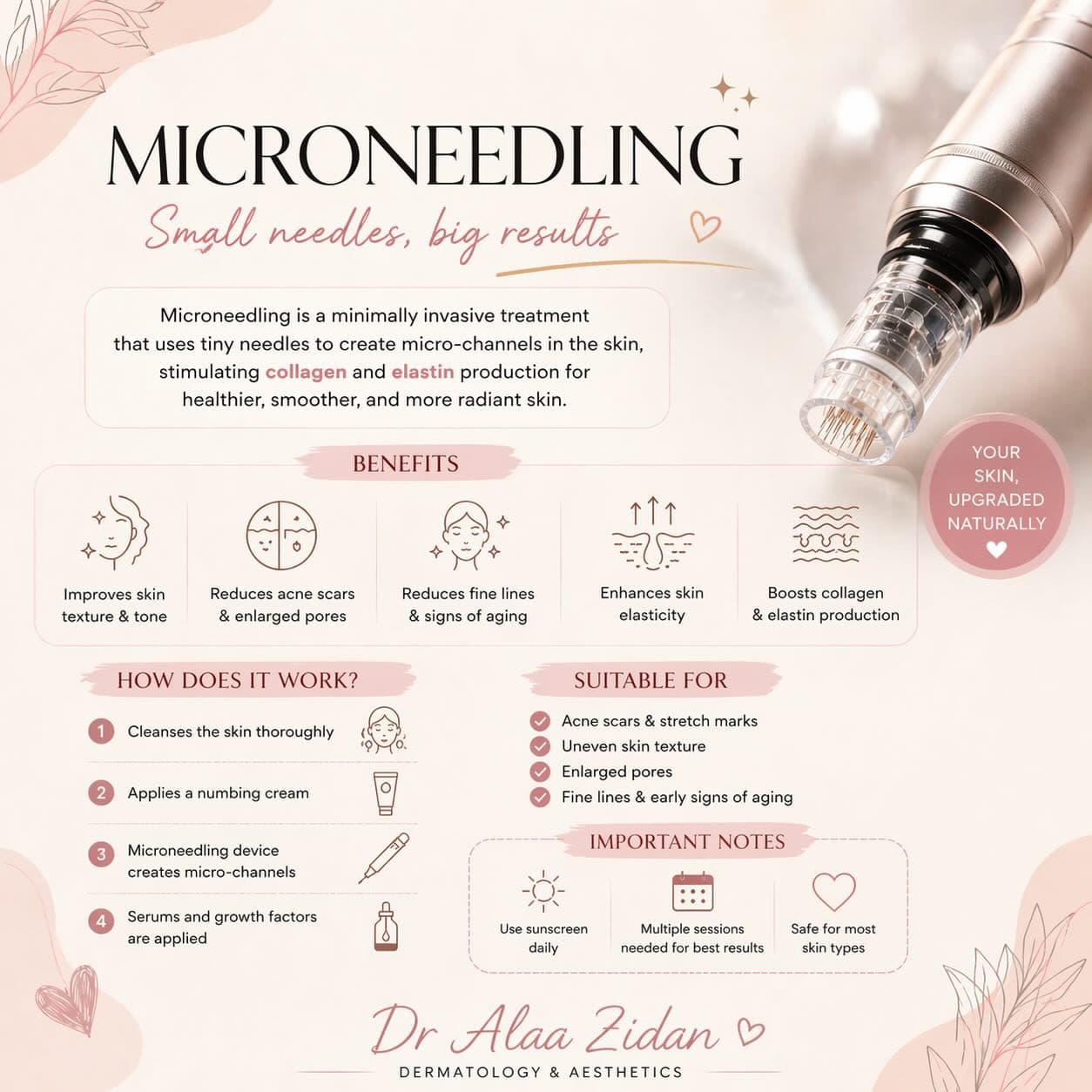
- Texture changes from sun — microneedling and skin boosters address these directly.
- Active acne that isn't improving — we build a combined medical/procedural plan.
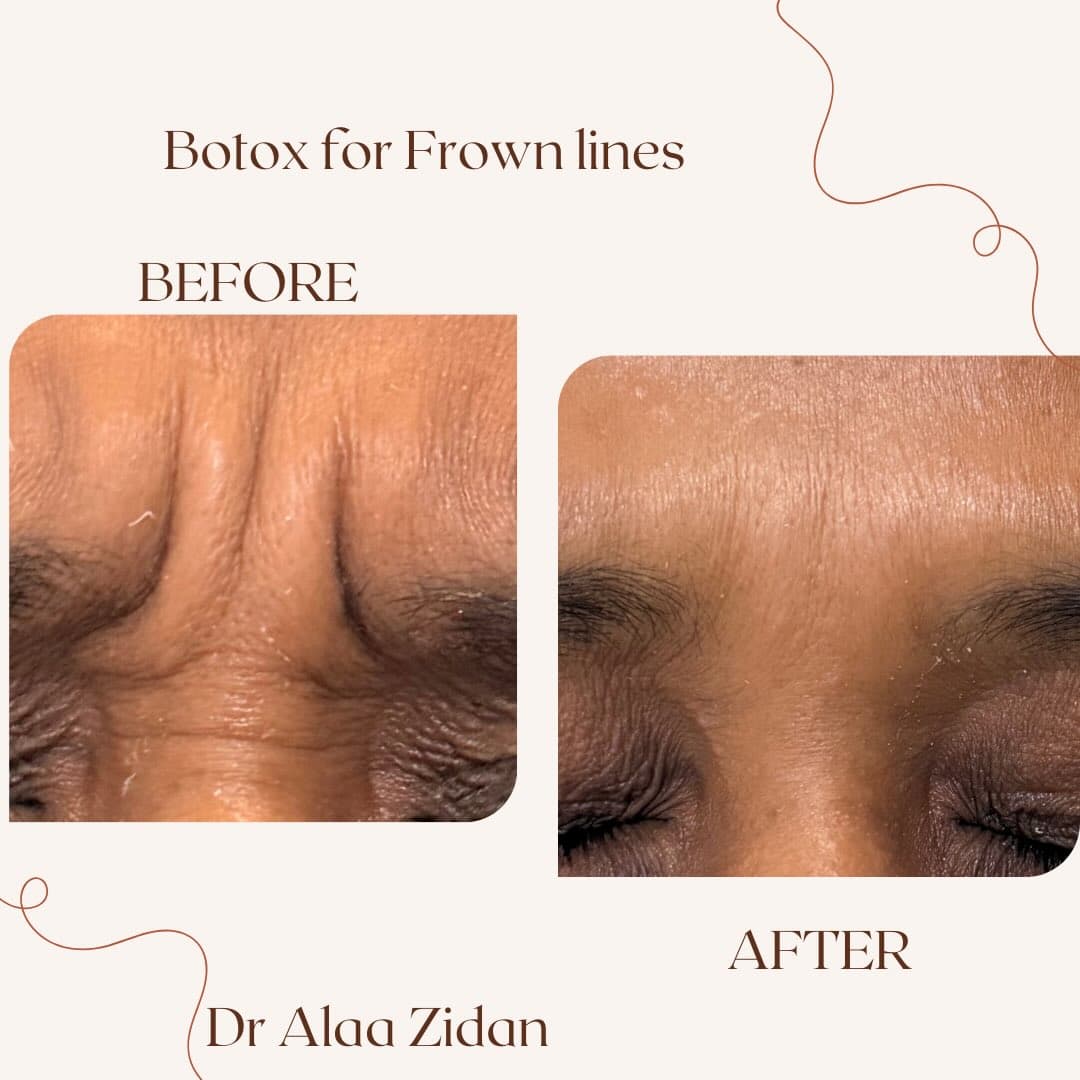
- Early fine lines that have become bothersome — small, well-placed injectables stop their progression.
When to come in
If pigmentation is appearing rather than fading, if the skin feels permanently dehydrated despite a good routine, if you have a sudden new spot or rash, or if you simply want a structured plan tailored to Maldives life — that's a consultation worth booking.
Dr. Alaa Zidan practises at Life Care Medical Center, Hulhumalé. WhatsApp +960 793 7512 — same-day reply.
Frequently asked questions
Which SPF is best for the Maldives?
Can I use retinol if I live in the Maldives?
Is sun damage reversible?
Do I really need to wash my face right after swimming?
When should I see a dermatologist for skincare advice?
Sources & further reading
This article is for educational purposes and is not a substitute for personal medical advice. To discuss your skin and treatment options, please book a consultation.
Part of our pillar guide
Aesthetic Dermatology in the Maldives — The Complete Guide
A clinical guide to aesthetic dermatology in the Maldives: what treatments work for Maldivian skin and climate, what to expect, how to choose, and how to plan care that respects the sun and salt of island life.
Read the complete guide →Join the conversation
Comments & questions
Leave a question or share your experience. Dr. Alaa's team reads every comment and replies personally. Sign in once with GitHub to post — your comment appears here for other readers and is emailed to the clinic for a personal follow-up.
Prefer a direct conversation?
Same-day replies on WhatsApp and Instagram.