TCA CROSS Aftercare: What to Do and Avoid
 By Mahmoud Mohamed Samir · Published 21 September 2026 · 6 min read
Key takeaways
- TCA CROSS aftercare is simple but specific: small, dark scabs form over each treated scar within a day or two, and this is expected.
- Never pick, scratch or soak the scabs off early, since disturbing them too soon can undo the benefit of the treatment.
- Daily, diligent sun protection is essential while scars heal, which matters even more under the Maldives’ strong, near-constant UV exposure.
- Keep treated skin dry and free of active ingredients (retinoids, acids, vitamin C) until the scabs have naturally come away.
- Results build gradually over several weeks to months, and most patients need a short course of sessions rather than a single visit.
- Contact the clinic if a treated area looks infected, unusually painful, or does not heal within the expected timeframe.
TCA CROSS aftercare is straightforward, but a handful of specific habits in the days and weeks after treatment protect your results while each treated scar heals.
In Hulhumalé, the biggest practical difference from cooler climates is the sun: UV levels here stay high year-round, and newly treated skin is genuinely more reactive to it, so the sun-protection habits below are not optional extras, they are central to getting a good outcome from TCA CROSS.
What to expect right after treatment
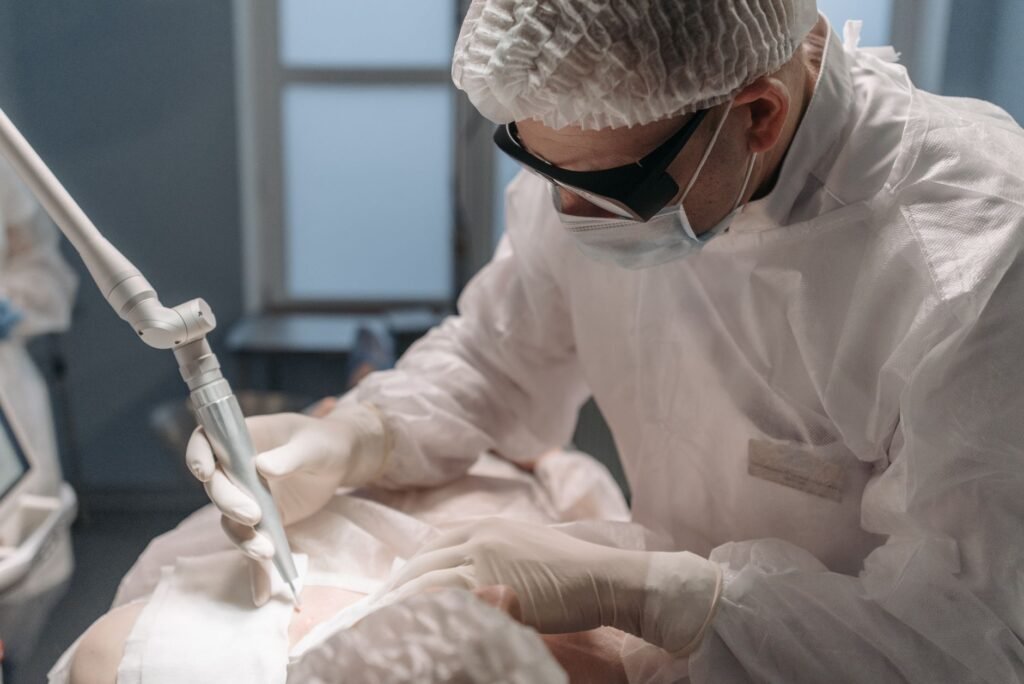
Each treated scar typically forms a small, dark scab (sometimes called a “frosting” that darkens over the following day) within a day or two of your session. This is a normal, expected part of how the CROSS technique works: the focused application of high-strength trichloroacetic acid deliberately damages the base of the scar so the skin rebuilds firmer, more even tissue as it heals. The surrounding skin may look slightly pink or red for the first day or so, and this settles quickly on its own.
Want the full Treatment Guide?
A plain-language guide to choosing the right treatment, what downtime really looks like, and how to prepare for your first visit, unlocked instantly, no waiting.
Do not pick the scabs
It is important to let each scab lift away naturally, usually over one to two weeks, rather than picking, scratching or peeling it off early. Removing a scab before the skin underneath is ready increases the risk of a wound infection, uneven healing, and a less effective final result than the treatment is capable of giving. If a scab catches on clothing or bedding, let it be and keep the area clean rather than trying to smooth or trim it yourself.
Cleansing and skincare while you heal
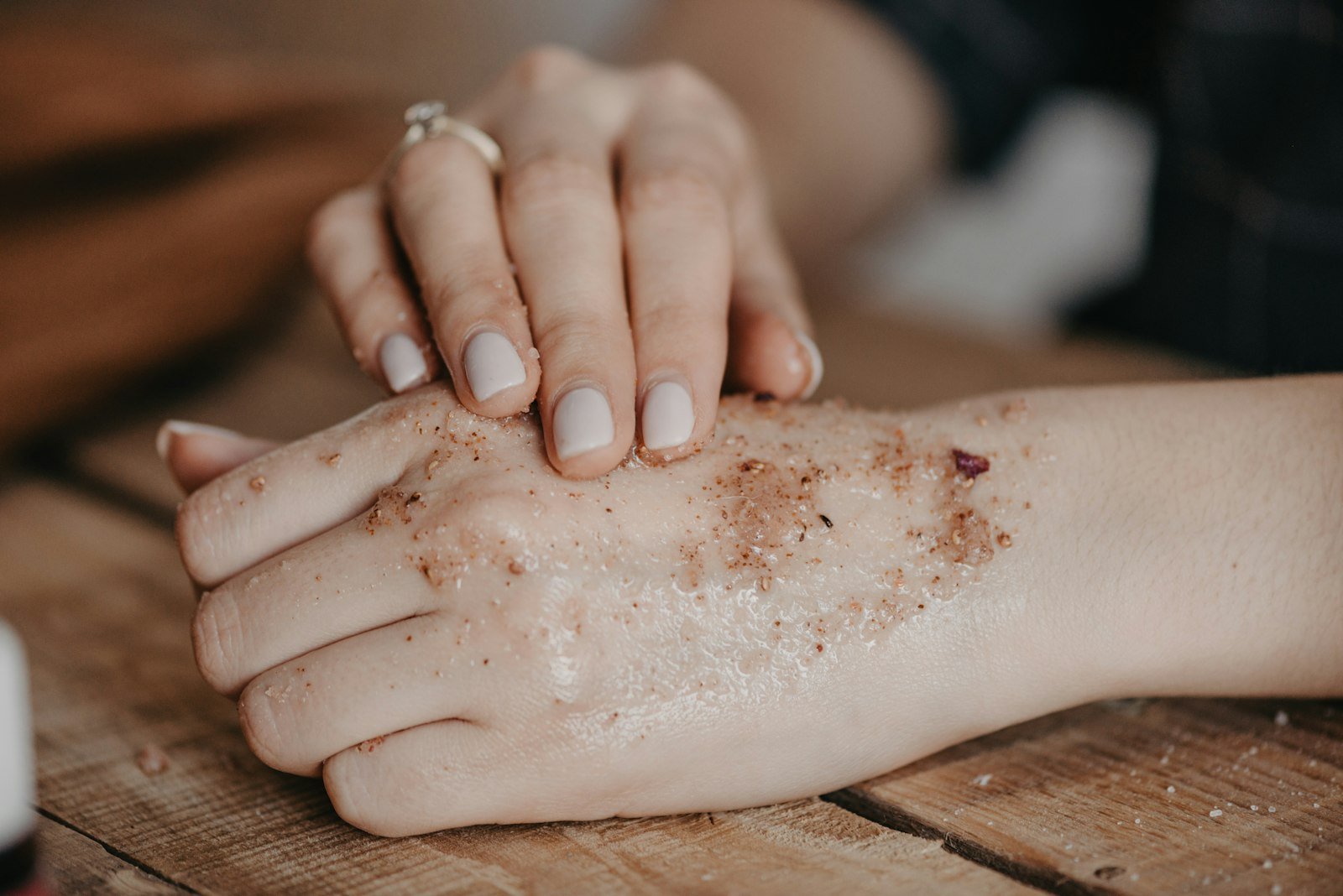
Cleanse gently with a fragrance-free cleanser and lukewarm (not hot) water, patting the area dry rather than rubbing. Avoid active skincare ingredients such as retinoids, exfoliating acids (AHAs/BHAs) and vitamin C serums on the treated areas until every scab has come away naturally, since these can irritate healing skin and slow recovery. A plain, fragrance-free moisturiser applied around (not directly onto) fresh scabs is usually fine once any initial redness has settled. Avoid make-up over treated spots until they have fully healed, both to reduce infection risk and to avoid dislodging a scab.
Sun protection while healing
Newly treated skin is significantly more vulnerable to post-inflammatory pigmentation change from UV exposure than normal skin, so diligent, broad-spectrum sunscreen (reapplied every two to three hours outdoors) matters far more than usual during healing. This is especially true given the Maldives’ strong year-round sun: skin here rarely gets a genuine break from UV the way it might in a temperate climate over winter, so a missed week of sun protection can undo weeks of careful healing. A wide-brimmed hat adds useful extra protection for facial scars on beach days or boat transfers.
Activities to avoid in the first week
Skip saunas, steam rooms, and swimming pools or the sea while any scab is still present, since prolonged water exposure and chlorine or salt water can soften and dislodge a healing scab before it is ready to come away. Heavy sweating from strenuous exercise can have a similar effect and may irritate the area, so lighter activity is sensible for the first few days. If you are travelling between islands or have a diving or snorkelling trip planned, it is worth timing your TCA CROSS sessions around it rather than scheduling a treatment right before time in the water.
Being patient with the result
The scar-lifting effect from TCA CROSS builds gradually as collagen remodels beneath the treated area over several weeks to months, not overnight. Because each session targets a controlled depth, most patients need more than one session, spaced several weeks apart, to reach the best overall improvement in scar depth and texture. Comparing photos too early, before the skin has fully settled, tends to underestimate the real result.
When to contact the clinic
Occasional pinpoint scabbing and mild redness are expected. Contact the clinic promptly if you notice spreading redness, warmth, swelling, pus, a fever, or a scab that has not started to lift after two to three weeks, as these can indicate infection or a healing problem that benefits from an early look rather than waiting.
Still deciding what's right for you?
Get instant access to the full Treatment Guide, concerns, downtime, aftercare, and what to expect at your first visit.
Frequently asked questions
How long do the scabs last?
Usually one to two weeks before they naturally come away. Deeper or older scars sometimes take slightly longer.
Can I wear make-up while healing?
It is best to wait until the scabs have naturally resolved, both to reduce infection risk and to avoid disturbing the healing process.
How many sessions will I need?
This varies by scar depth, number and skin type, and is generally assessed and planned as a short course at your consultation.
Can I go in the sea or a swimming pool after treatment?
It is best to avoid swimming pools and sea water until any scabbing has fully resolved, since prolonged water exposure can soften and dislodge a healing scab too early.
Will TCA CROSS aftercare mistakes ruin my result?
A single missed sunscreen application is unlikely to undo a good result, but picking scabs early or skipping sun protection for extended periods can meaningfully affect the final outcome, so it is worth being consistent.
Related reading: TCA CROSS vs Microneedling for Acne Scars
Sources & further reading
- DermNet: Acne scarring
- PMC: Use of 27-gauge Tuberculin Syringe for Trichloroacetic Acid Chemical Reconstruction of Skin Scars (TCA-CROSS)
If your treated scars look unusual while healing, send a photo on WhatsApp and Dr. Alaa will advise you directly. You can also read more here: TCA CROSS treatment page, TCA CROSS treatment guide, TCA CROSS for ice-pick acne scars, scar management overview, or get in touch.
Mahmoud Mohamed Samir is a digital marketing specialist at BrightSeen Marketing Agency, the agency that runs this clinic’s Google search and AI search visibility (SEO and GEO), Meta Ads and website. Medical content is reviewed by Dr. Alaa Zidan.
This article is for educational purposes and is not a substitute for personal medical advice. To discuss your skin and treatment options, please book a consultation.
Have a question about this?
Send a photo and a short note on WhatsApp for an honest treatment recommendation from Dr. Alaa.