
Pigmentation and melasma care
Uneven tone, dark spots and melasma are among the most common concerns under the equatorial sun in Maldives. They respond best to a combined, patient plan rather than a single quick fix.
Why pigmentation is different here
Constant UV makes pigmentation both more common and more stubborn in the Maldives. Melasma in particular is sun and hormone driven, and flares easily, so the goal is careful, gradual improvement and long-term control.
How we approach it
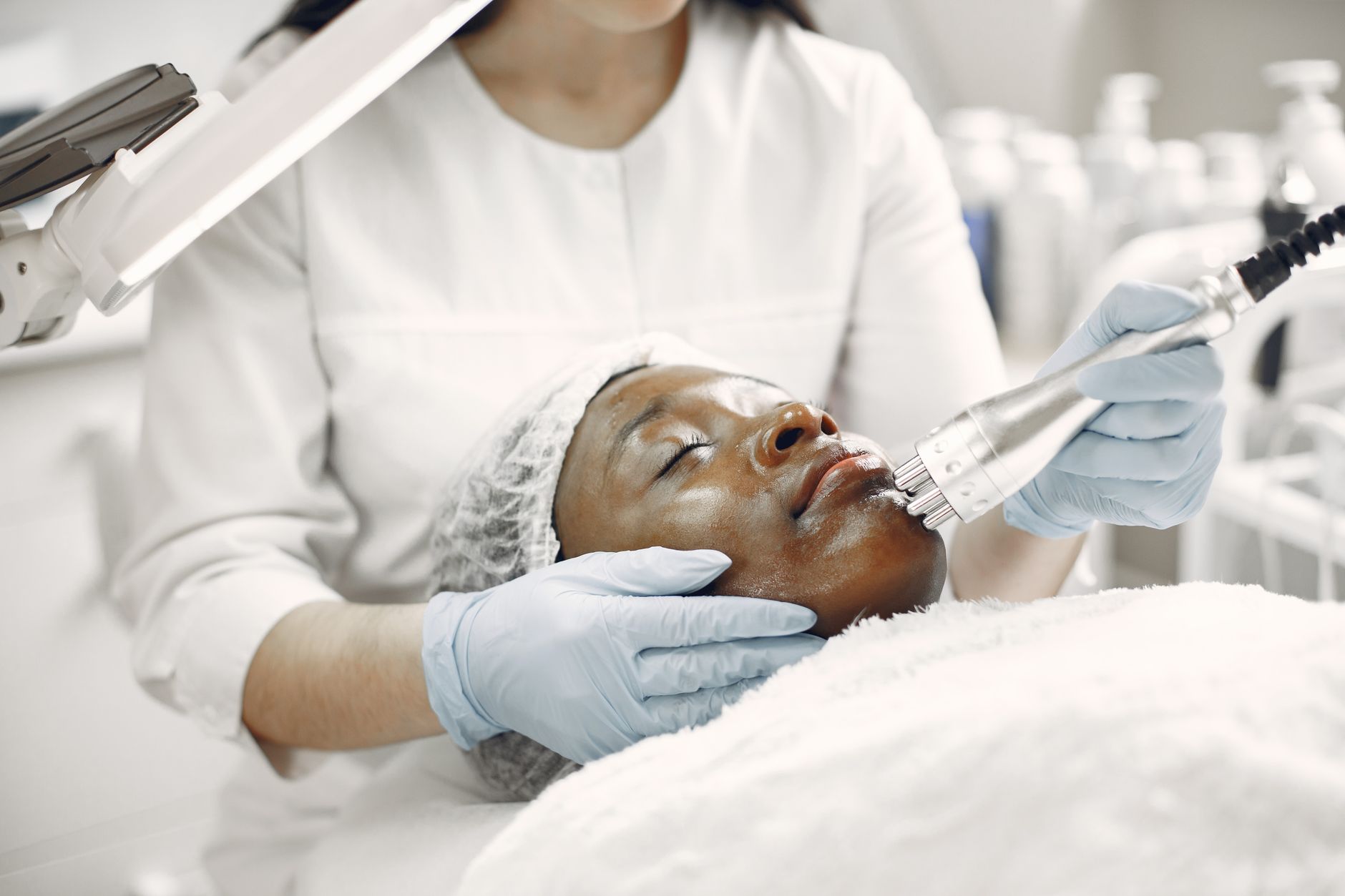
Care usually combines medical topicals, gentle in-clinic treatments such as tailored peels, and disciplined daily SPF. We map what is realistically reversible at consultation and set honest expectations.
Who it suits
- Sun-related dark spots and uneven tone
- Melasma that has not settled with topicals alone
- Post-acne or post-inflammatory marks
- Anyone wanting a structured, sun-aware plan
Laser options for pigmentation
For stubborn or deeper pigment, laser can be added to a topical and peel-based plan.
- Pigmentation laser — targets visible sun spots and uneven patches.
- Q-switched laser — a precise wavelength for deeper or more resistant pigment, used carefully given melasma’s tendency to rebound if over-treated.
What results look like over time
This is rarely a quick fix, expect a multi-month plan combining in-clinic treatment with consistent home skincare, with gradual improvement rather than a single before/after.
Often paired with
Always paired with a strict home skincare and SPF routine, without which in-clinic results tend not to hold.
Who might want to wait
If pigmentation appeared very suddenly or is asymmetric and unusual in shape, it should be medically assessed first to rule out other causes before starting a cosmetic treatment plan.
Common myth
“Can melasma be cured completely?” – Melasma is typically managed rather than permanently cured, especially since sun and hormones can re-trigger it, so ongoing maintenance is part of a realistic plan.
Not sure if Pigmentation & Melasma is right for you?
Send a few details and Dr. Alaa will get back to you personally on WhatsApp or email, no obligation.
This page is for education and is not a substitute for personal medical advice. Suitability, risks, and results are assessed at consultation.
Related treatments
Frequently asked questions
What is melasma and how is it different from other pigmentation?
Melasma is a form of pigmentation driven by hormones, sun exposure and heat that appears as symmetrical brown patches, usually on the cheeks and forehead, and needs a more sun-aware, medically guided plan than typical sunspots.
Can melasma be cured?
Melasma is managed rather than cured. With the right plan and strict sun protection it can be substantially improved and controlled.
What is the best treatment for pigmentation here?
A combined plan of medical topicals, gentle in-clinic treatments and daily SPF, tailored at consultation, works better than any single quick fix.
Why does my pigmentation keep coming back?
Ultraviolet light is the main driver. Without daily broad-spectrum SPF, pigment returns, especially under equatorial sun.
How long until pigmentation fades?
It responds gradually over weeks to months. Steady, consistent care outperforms aggressive treatment, which can rebound.
Is laser safe for pigmentation on dark skin?
Sometimes, but cautiously, as aggressive laser can worsen pigment in darker skin. The safest effective plan is chosen at consultation.
Why is SPF so important?
It is the single most important step. Treatments underperform and pigment returns without daily SPF 50 or higher.
Why does my melasma get worse after the beach?
UV exposure is the single biggest driver of melasma flare-ups, and Maldivian sun is intense year-round. Even brief unprotected exposure can undo months of progress, which is why daily high-SPF sunscreen is part of every plan here, not an optional extra.