New Dermal Filler Technology in 2026: What Has Changed
 By Dr. Alaa Zidan · Published 15 August 2026 · 2 min read
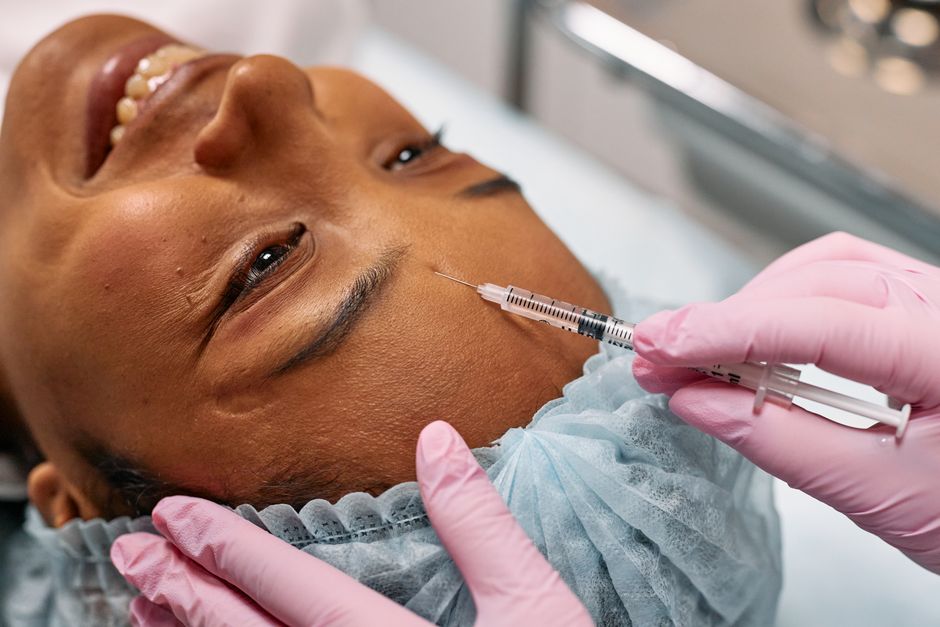
Dermal filler technology has continued to move forward through 2025 and into 2026, with several newer hyaluronic acid formulations receiving regulatory approval for areas that older-generation fillers were not specifically designed to treat. Here is what has changed and why it matters for patients.
For patients in the Maldives, newer formulations reach the region at different times, so it is worth asking which specific product a clinic actually stocks.
New formulations targeting specific areas
Regulators have approved newer hyaluronic acid gel technologies designed to integrate more naturally with facial movement, including formulations specifically approved for temple hollowing and for enhancing chin projection, areas that were historically treated somewhat off-label with products designed for other purposes. This matters because area-specific technology generally means better-matched elasticity and support for how that part of the face actually moves.
Why this counts as meaningful progress
Some of the newest hyaluronic acid gel technologies represent the first major structural advancement in filler chemistry in roughly a decade, aiming to preserve the natural structure of the hyaluronic acid molecule more closely than older cross-linking methods. In practical terms, this can mean a more natural feel and movement once the filler has settled.
What this means for treatment planning
As newer, area-specific products become available, treatment plans can be built more precisely around what a given area actually needs, rather than relying on a smaller range of general-purpose fillers for every part of the face. We review new filler technology as it becomes available and update which products we use accordingly, rather than defaulting to older-generation options out of habit.
What has not changed
Technique and judgement still matter more than the specific product used. A newer filler placed without proper assessment of facial proportions will not produce a better result than an established product used well. Product advances are a tool, not a substitute for planning.
Our approach
At the clinic, filler choice is based on the area being treated and your specific goals, discussed at consultation, using established products with a strong safety record. If a newer, area-specific technology is genuinely the better fit for what you want, we will say so.
Frequently asked questions
Are newer filler technologies always a better choice?
Not necessarily. A newer product is a tool, not automatically an upgrade, and an established filler used with good technique can outperform a newer one used without proper planning.
How is filler choice decided at consultation?
It is based on the area being treated, your goals and facial anatomy, using products with a strong, established safety record unless a newer option is genuinely the better fit.
Are established filler products still considered safe in 2026?
Yes, hyaluronic acid fillers with a long track record remain a safe, well-studied option and are still the first choice for most patients.
Have a question about this?
Send a photo and a short note on WhatsApp for an honest treatment recommendation from Dr. Alaa.