Types of Chemical Peels: Benefits and What to Expect
 By Mahmoud Mohamed Samir · Published 2 September 2026 · 8 min read
Key takeaways
- Chemical peels in the Maldives use a controlled acid solution to lift away the outer, damaged layers of skin so that fresher, more even skin can form.
- There are three broad depths – superficial, medium and deep – and the right choice depends on your skin and your goal, not on picking the strongest option.
- Peels can help with dull tone, sun damage, mild acne, rough texture, fine lines and some kinds of pigmentation, but they are not a single fix for every concern.
- For the deeper skin tones common in the Maldives, gentle superficial peels such as salicylic and glycolic acid are usually the safest place to start.
- Careful sun protection before and after a peel is essential under strong equatorial sun to avoid unwanted pigmentation.
- A peel should always follow a proper skin assessment, so the type and strength are chosen for you.
Chemical peels in the Maldives are one of the more straightforward ways to refresh dull, sun-exposed skin, yet they are also widely misunderstood. In simple terms, a chemical peel applies a carefully chosen acid solution to the skin to loosen and remove the outer, damaged layers, prompting fresher skin with a smoother texture and more even tone to take their place. This guide explains how peels work, the different depths, what they can and cannot do, and how we approach them safely for Maldivian skin. To book or ask about cost, see chemical peels in the Maldives with Dr. Alaa Zidan in Hulhumalé.
At our clinic in Hulhumalé, a peel is never a one-size-fits-all treatment. If you are considering our chemical peel treatment, the first step is always a proper look at your skin.
What is a chemical peel?
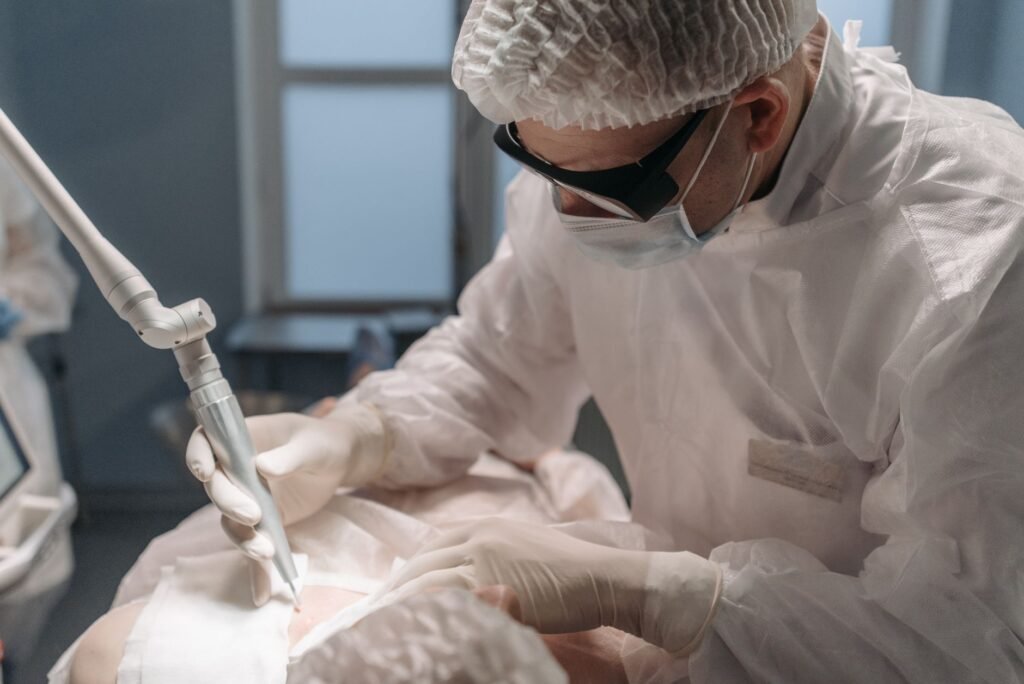
A chemical peel is a treatment in which a solution – usually an acid such as glycolic, salicylic, lactic or trichloroacetic acid – is applied to the skin for a controlled length of time. The solution weakens the bonds between skin cells so that the outer, damaged layers gradually lift away over the following days. As the skin heals, it replaces those layers with newer cells and, with deeper peels, stimulates fresh collagen in the layers beneath. The result can be a brighter, smoother and more even complexion.
The word peel can sound dramatic, but most peels used in an aesthetic clinic are gentle, superficial treatments with only light shedding. The depth is chosen deliberately, and stronger is not automatically better. This is the principle behind how we use chemical peels in the Maldives: we match the depth to your skin, never the other way around.
Want the full Treatment Guide?
A plain-language guide to choosing the right treatment, what downtime really looks like, and how to prepare for your first visit, unlocked instantly, no waiting.
The three main types of chemical peel
Peels are grouped by how deeply they reach into the skin. The depth decides what they can treat, how much recovery they need and how much risk they carry.
Superficial peels
Superficial peels reach only the epidermis, the outermost layer. They usually use alpha hydroxy acids such as glycolic or lactic acid, or the beta hydroxy acid salicylic acid. They suit dullness, mild acne, congested skin, uneven texture and early pigmentation. Recovery is quick, often just a few days of mild flaking and redness, and they are commonly repeated as a short course to build results.
Medium-depth peels
Medium peels reach the upper (papillary) dermis and often use trichloroacetic acid. They can address more noticeable sun damage, superficial scarring and some pigmentary problems, but they involve more swelling, redness and downtime, and they need careful patient selection.
Deep peels
Deep peels reach the deeper (reticular) dermis and are usually performed with phenol. They are reserved for significant sun damage, deep lines or scarring, carry the most risk and the longest recovery, and are generally performed only once. A deep peel is rarely a first step and is not suitable for every skin type.
What chemical peels can help with
Depending on the depth and the acid used, peels can improve dull and tired-looking skin, uneven tone and sun damage, mild to moderate acne and congestion, some forms of pigmentation including certain cases of melasma, rough texture and the look of fine lines. They are one tool among several. For concerns such as deeper acne scarring or stubborn pigmentation, we often combine or compare peels with other approaches such as microneedling or targeted pigmentation and melasma treatment. You can read more in our guide to what actually works for melasma.
Are chemical peels in the Maldives safe for darker skin?
This is one of the most important questions we are asked, and it matters a great deal here. Many Maldivian and South Asian patients have richer, more melanin-dense skin (Fitzpatrick types IV to VI), which is more prone to post-inflammatory hyperpigmentation, the dark marks that can appear after the skin is inflamed. The reassuring news is that peels can be performed safely on deeper skin tones; the key is choosing the right peel and the right provider.
For skin of colour, superficial peels are generally the safest starting point. Salicylic acid is well tolerated, and serial glycolic acid peels have been studied specifically for pigmentation in darker skin, with good results and minimal side effects. Stronger trichloroacetic acid peels carry a higher risk of uneven pigmentation and scarring in deeper skin and are approached with much more caution. The American Academy of Dermatology is clear that people with skin of colour can have peels safely, provided the treatment is carried out by a clinician experienced in treating darker skin. A test patch and a gradual, conservative approach are sensible.
What to expect during and after a peel
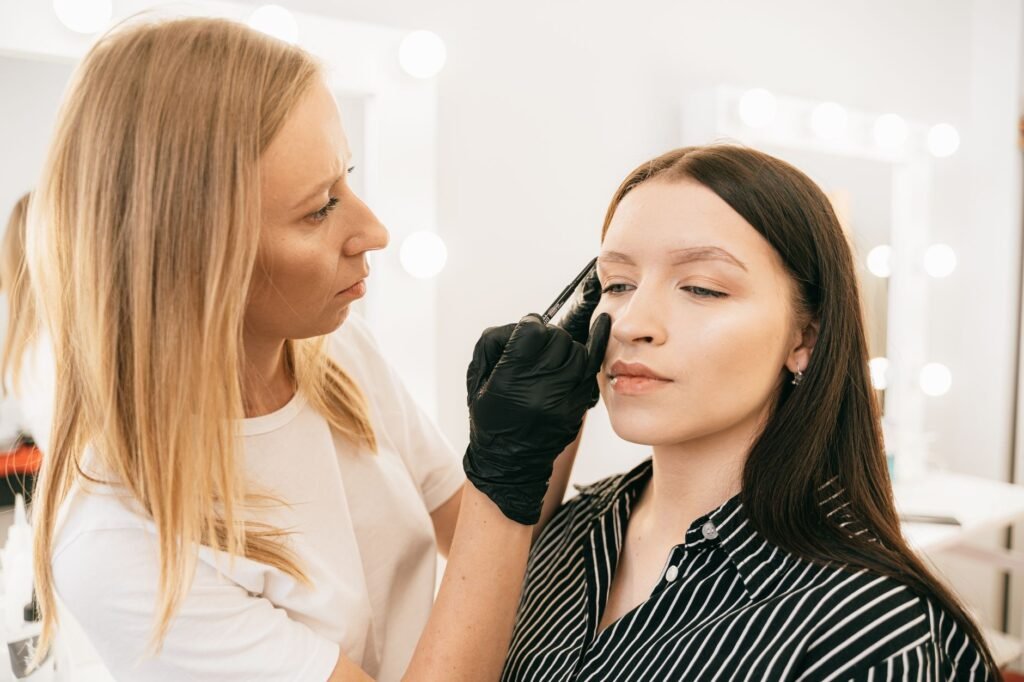
Before the peel we assess your skin, discuss your goals and, where helpful, prepare the skin for a couple of weeks beforehand. On the day, the skin is cleansed and the solution is applied for a set time, which may cause a brief tingling or warmth, then neutralised or removed. A superficial peel takes only minutes.
Afterwards, superficial peels usually cause a few days of redness followed by light flaking or peeling, typically settling within three to seven days. Medium and deep peels involve more swelling and a longer recovery. Whatever the depth, the freshly revealed skin is temporarily more sensitive and far more vulnerable to the sun.
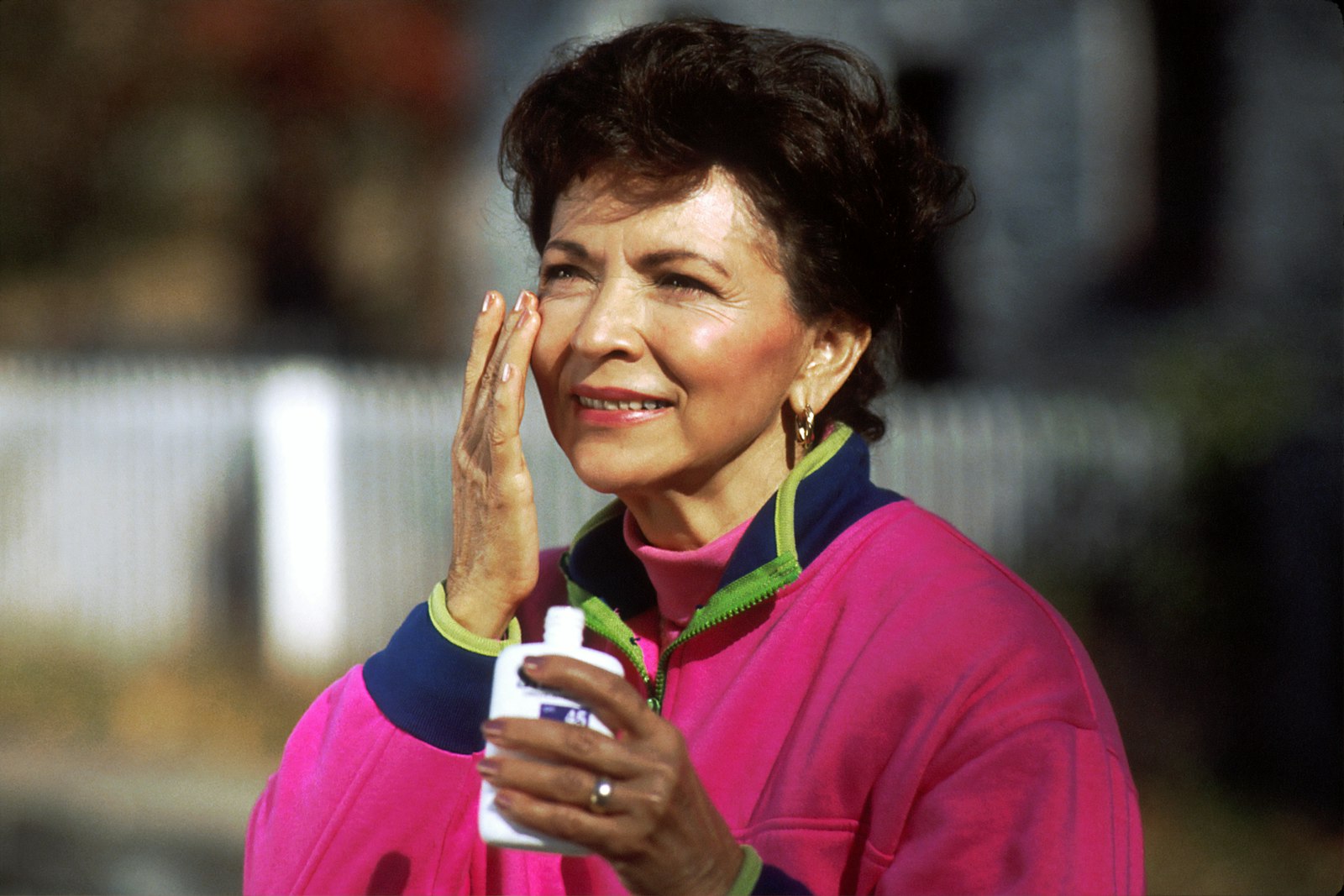
This is where the Maldives setting really matters. Under strong, year-round equatorial sun, unprotected new skin can pigment or burn very easily, undoing the benefit of the peel. We ask patients to avoid direct sun while healing and to use a broad-spectrum sunscreen of at least SPF 30, ideally SPF 50, every morning and reapplied through the day, favouring a mineral (zinc or titanium dioxide) formula on healing skin. Gentle moisturising and resisting the urge to pick or pull at peeling skin are equally important. Our guide to skincare in the Maldivian sun covers daily protection in more detail.
Who chemical peels are not for
Peels are not suitable for everyone. They are generally avoided during pregnancy and breastfeeding, over active skin infections such as cold sores, and on broken or irritated skin. People taking certain medicines, for example oral acne treatments like isotretinoin, or with a history of keloid scarring or particular skin conditions, may need to wait or choose another option. An honest consultation before any chemical peels in the Maldives lets us flag these and, where a peel is not the right fit, suggest alternatives.
Still deciding what's right for you?
Get instant access to the full Treatment Guide, concerns, downtime, aftercare, and what to expect at your first visit.
Frequently asked questions
How many chemical peel sessions will I need?
Superficial peels are usually done as a short course, often four to six sessions spaced a few weeks apart, with occasional maintenance afterwards. Medium and deep peels are performed far less often, and a deep peel is generally a one-time treatment. Your plan depends on your skin and your goal.
Do chemical peels hurt?
Superficial peels typically cause only a mild tingling or warmth for a few minutes. Deeper peels are more uncomfortable and are managed with appropriate measures. Most people find a superficial peel very tolerable.
Can I have a peel if I have melasma?
Sometimes. Certain superficial peels can help selected cases of melasma as part of a wider plan that always includes strict sun protection, but melasma is prone to returning and needs careful, ongoing management. We assess this individually.
When can I go back in the sun?
You should avoid direct sun while the skin is healing and use daily sunscreen throughout. After deeper peels, longer and stricter sun avoidance is advised. In our climate, daily sun protection is worthwhile regardless.
Sources & further reading
- American Academy of Dermatology – Chemical peels: FAQs
- Cleveland Clinic – Chemical Peels
- Journal of the American Academy of Dermatology – Basic chemical peeling: superficial and medium-depth peels
- PubMed – Glycolic acid peels for post-inflammatory hyperpigmentation in darker skin
If you would like to find out whether chemical peels in the Maldives suit your skin, you are welcome to message our clinic on WhatsApp or get in touch to arrange a consultation.
Mahmoud Mohamed Samir is a digital marketing specialist at BrightSeen Marketing Agency, the agency that runs this clinic’s Google search and AI search visibility (SEO and GEO), Meta Ads and website. Medical content is reviewed by Dr. Alaa Zidan.
This article is for educational purposes and is not a substitute for personal medical advice. To discuss your skin and treatment options, please book a consultation.
Have a question about this?
Send a photo and a short note on WhatsApp for an honest treatment recommendation from Dr. Alaa.