Male vs Female Pattern Hair Loss: What’s Different
 By Mahmoud Mohamed Samir · Published 22 July 2026 · 3 min read
Male and female pattern hair loss share a name and a hormonal driver, but they look different, progress differently and are usually treated with a different starting approach. Confusing the two is one of the most common reasons early treatment fails.
Both patterns are common among patients at our Hulhumalé clinic, and the humidity and frequent sea swimming here often make shedding look heavier than it actually is.
How male pattern hair loss presents
In men, androgenetic alopecia typically starts as a receding hairline at the temples, thinning at the crown, or both, eventually meeting in the middle in more advanced cases. It follows a well-documented staging system and is driven by follicle sensitivity to DHT.
Want the full Treatment Guide?
A plain-language guide to choosing the right treatment, what downtime really looks like, and how to prepare for your first visit, unlocked instantly, no waiting.
How female pattern hair loss presents
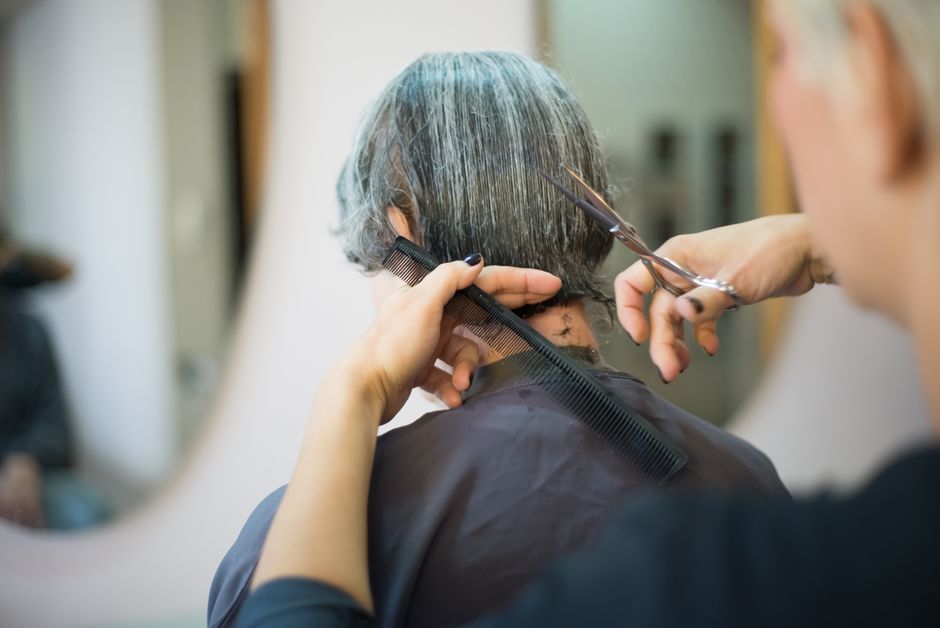
In women, the pattern is usually diffuse thinning that is most noticeable along the centre part, with the frontal hairline often preserved. It rarely progresses to complete baldness, but the reduction in density can be just as distressing. Hormonal shifts (postpartum, perimenopause, PCOS) are more frequently involved, which is why we check hormonal and nutritional markers more broadly in women presenting with diffuse thinning.
Why treatment differs by gender
Topical and oral options are used differently depending on gender, medical history and, for women, pregnancy or fertility plans. Regenerative options such as exosome therapy are used in both men and women, but the supporting plan – what else is checked and treated alongside it – is not identical.
What a consultation actually checks
For men: pattern staging, family history and, where relevant, discussion of medical options. For women: a broader panel including iron, thyroid and hormonal factors, since diffuse thinning in women is more often connected to a treatable underlying cause than male pattern loss is.
Regenerative support for both patterns
Once the pattern is confirmed, exosome therapy, often combined with microneedling, is used to support follicle activity and improve density over a course of sessions, for men and women alike.
Still deciding what's right for you?
Get instant access to the full Treatment Guide, concerns, downtime, aftercare, and what to expect at your first visit.
Frequently asked questions
Can women get a receding hairline like men?
It is uncommon. Female pattern loss is usually diffuse rather than a receding hairline, though frontal fibrosing alopecia is a distinct condition that can affect the hairline and should be assessed separately.
Does pattern hair loss in women mean a hormonal problem?
Not always, but it is common enough that we check hormonal and thyroid markers as a routine part of assessing diffuse thinning in women.
Is regenerative treatment equally effective in men and women?
Response varies by individual rather than strictly by gender, which is why we track density and thickness over a defined course rather than promising a fixed result upfront.
At what stage should treatment start?
Earlier is generally better for both patterns, since regenerative and medical options work on follicles that are still active rather than ones that have been dormant for years.
Related reading: Postpartum Hair Loss: Treatment Options in the Maldives
Mahmoud Mohamed Samir is a digital marketing specialist at BrightSeen Marketing Agency, the agency that runs this clinic’s Google search and AI search visibility (SEO and GEO), Meta Ads and website. Medical content is reviewed by Dr. Alaa Zidan.
Have a question about this?
Send a photo and a short note on WhatsApp for an honest treatment recommendation from Dr. Alaa.