Postpartum Hair Loss: Treatment Options in the Maldives
 By Mahmoud Mohamed Samir · Published 20 September 2026 · 4 min read
Key takeaways
- Postpartum hair loss is extremely common, driven by hormonal shifts after childbirth, and often resolves on its own within several months.
- It typically becomes noticeable around 2-4 months after delivery, sometimes catching new mothers off guard.
- If shedding continues well beyond 6-12 months, it is worth a proper assessment rather than assuming it will resolve alone.
- GFC and exosome therapy are commonly used to support regrowth for prolonged or more pronounced postpartum thinning.
- Treatment timing should always take into account whether you are still breastfeeding, discussed openly at consultation.
Postpartum hair loss treatment in the Maldives is a question we hear often, because this catches many new mothers off guard even though it is one of the most common hair concerns we see. Here is what is normal, and when treatment is worth considering.
In the Maldives, humidity and frequent sea swimming can make postpartum shedding look worse than it is, because wet, tangled hair sheds more visibly when combed out – which understandably alarms new mothers who are already sleep-deprived and watching their bodies change in other ways too.
Want the full Treatment Guide?
A plain-language guide to choosing the right treatment, what downtime really looks like, and how to prepare for your first visit, unlocked instantly, no waiting.
Why it happens
During pregnancy, elevated hormone levels keep more hairs than usual in their growth phase, which is why many women notice thicker, fuller hair while pregnant. After delivery, hormone levels shift back towards their pre-pregnancy baseline, and those hairs move into a shedding phase together, which is why postpartum shedding can feel sudden and significant even though it is a normal physiological process rather than a sign that something is wrong.
What normal postpartum shedding actually looks like
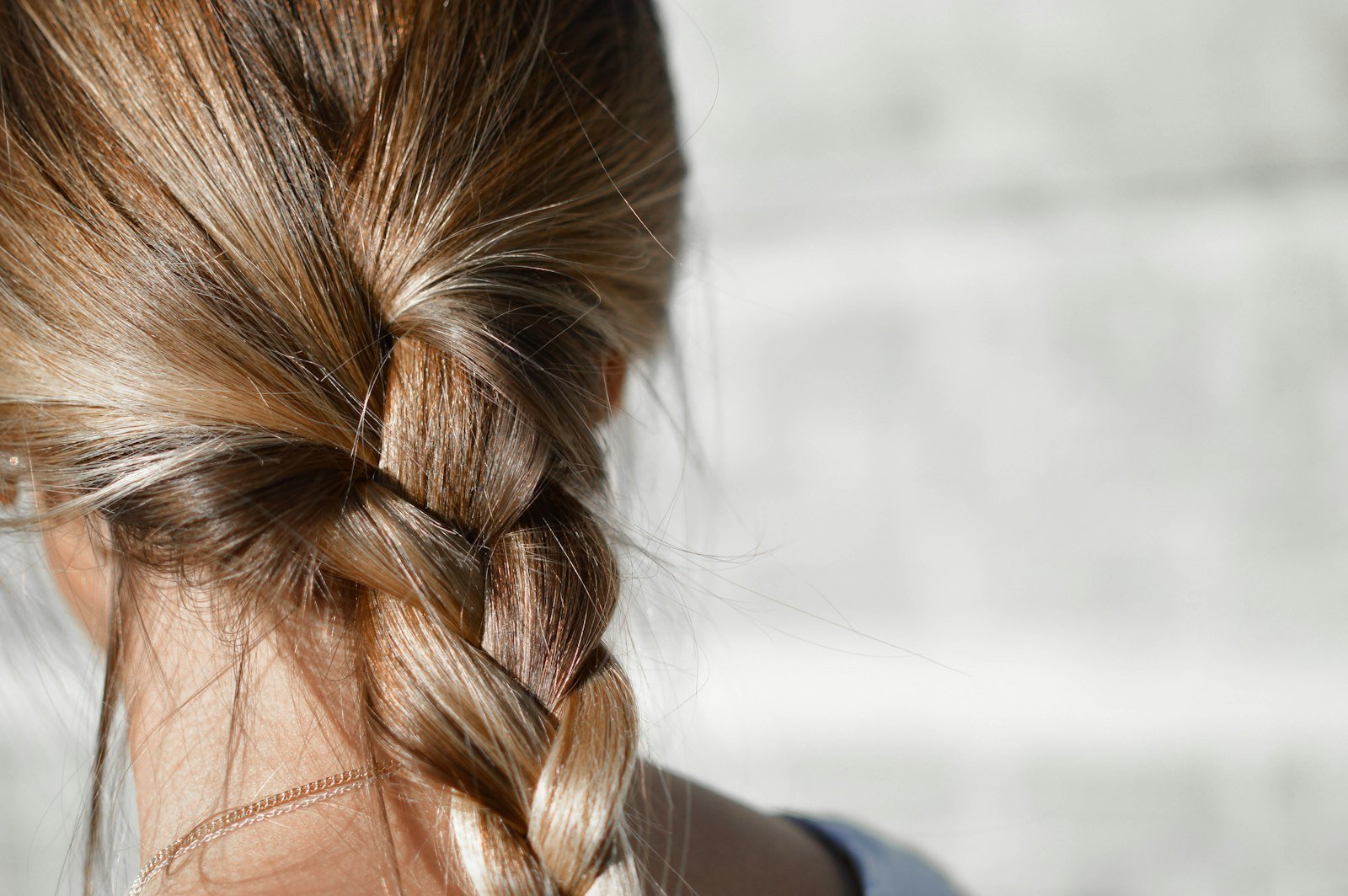
Most women notice more hair than usual in the shower, on the pillow, or caught in a hairbrush, rather than patchy bald spots. The hairline and part may look slightly wider for a period, and some women notice short, wispy regrowth along the hairline a few months later as new hairs start their growth cycle again. This pattern – diffuse thinning followed by visible regrowth – is reassuring, and different from the more localised or patchy hair loss patterns that warrant a closer look.
When it typically resolves on its own
For most women, this shedding phase peaks around 2-4 months after delivery and gradually settles by around 6-12 months as the hair cycle normalises again, without any treatment needed. Patience is genuinely the right first response for the majority of new mothers.
Postpartum Hair Loss Treatment in the Maldives: When It Is Worth Getting Checked
If shedding continues well beyond 12 months, or feels unusually severe, it is worth a proper scalp assessment rather than assuming it will resolve on its own, since other contributing factors – thyroid changes, iron deficiency, or a separate pattern of hair loss unrelated to pregnancy – are sometimes involved and worth ruling out.
Supporting healthy regrowth day to day
Gentle hair care genuinely helps during this period: a wide-tooth comb on wet hair, avoiding tight postpartum hairstyles that pull on already-stressed follicles, and rinsing salt water out promptly after a swim, since salt can leave hair more prone to tangling and breakage. A generally balanced diet supports hair health as it does the rest of the body, though supplementation is worth discussing individually rather than assuming more is automatically better.
Treatment options if needed
For prolonged or more pronounced thinning, GFC or exosome therapy can support follicle health and regrowth. If you are breastfeeding, we discuss timing and suitability openly as part of your consultation, since this genuinely affects what we would recommend and when.
Still deciding what's right for you?
Get instant access to the full Treatment Guide, concerns, downtime, aftercare, and what to expect at your first visit.
Frequently asked questions
Is postpartum hair loss permanent?
For most women, no – it typically resolves on its own within about a year as hormone levels normalise.
When should I seek treatment rather than waiting?
If shedding continues well beyond 12 months or feels unusually severe, a proper assessment is worthwhile.
Can I have hair treatments while breastfeeding?
This depends on the specific treatment – we discuss timing and suitability honestly based on your individual situation.
Could it be something other than postpartum shedding?
Sometimes. Thyroid changes and iron deficiency are common after childbirth and can contribute to hair loss, which is one reason a proper assessment is useful if shedding is prolonged or severe.
Does breastfeeding make hair loss worse or longer?
Hormone levels can stay altered for longer in some breastfeeding mothers, which occasionally extends the shedding phase slightly, but it is not something to be alarmed about on its own.
Related reading: Hair Loss Treatment Research in 2026: Where Things Stand
Sources & further reading
If postpartum shedding is not settling, send a photo of your scalp or hairline on WhatsApp and Dr. Alaa will advise honestly on next steps. You can also read more here: treatment page, related guide, related guide, or get in touch.
Mahmoud Mohamed Samir is a digital marketing specialist at BrightSeen Marketing Agency, the agency that runs this clinic’s Google search and AI search visibility (SEO and GEO), Meta Ads and website. Medical content is reviewed by Dr. Alaa Zidan.
This article is for educational purposes and is not a substitute for personal medical advice. To discuss your skin and treatment options, please book a consultation.
Have a question about this?
Send a photo and a short note on WhatsApp for an honest treatment recommendation from Dr. Alaa.