Laser Hair Removal Aftercare: What to Do and Avoid
 By Mahmoud Mohamed Samir · Published 7 September 2026 · 5 min read

Key takeaways
- Laser hair removal aftercare matters more in a sun-heavy climate like the Maldives than almost anywhere else.
- Mild redness and slight follicle swelling right after treatment are normal and usually settle within hours to a day.
- Avoid direct sun exposure on treated skin for at least a week, and always use sunscreen between sessions.
- Skip hot showers, saunas, swimming and strenuous exercise for 24-48 hours to reduce irritation.
- Do not wax, pluck or use depilatory creams between sessions – only shaving is appropriate.
- Complete the full course rather than stopping early, since only actively growing hair follicles are affected each session.
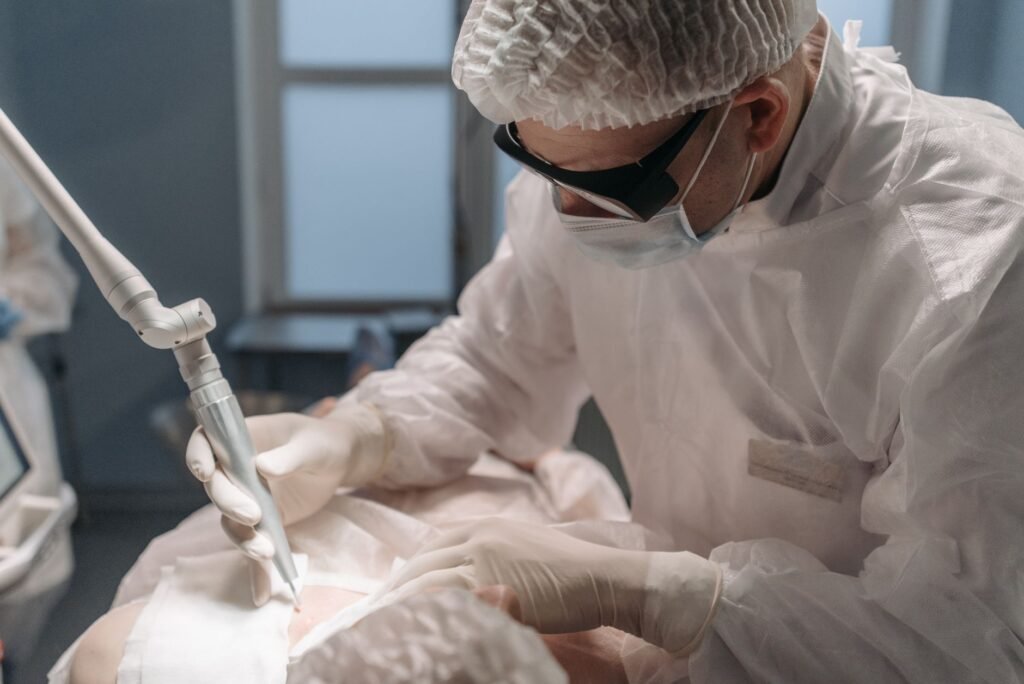
Laser hair removal aftercare matters more in a sun-heavy climate like the Maldives than almost anywhere else, since sun exposure on treated skin between sessions can affect both comfort and results. The laser targets pigment in the hair follicle, which means treated skin is temporarily more sensitive, and how you look after it between sessions has a real effect on your outcome and your safety.
Laser hair removal aftercare: right after each session
Mild redness and slight swelling around individual follicles is a normal, expected response, similar in appearance to mild sunburn or goosebumps, and usually settles within a few hours to a day. A cool compress or aloe-based gel can help if the area feels warm or sensitive. Some patients notice tiny dark dots on the skin’s surface in the days that follow – this is treated hair working its way out, not a sign of a problem.
Want the full Treatment Guide?
A plain-language guide to choosing the right treatment, what downtime really looks like, and how to prepare for your first visit, unlocked instantly, no waiting.
Sun protection is essential
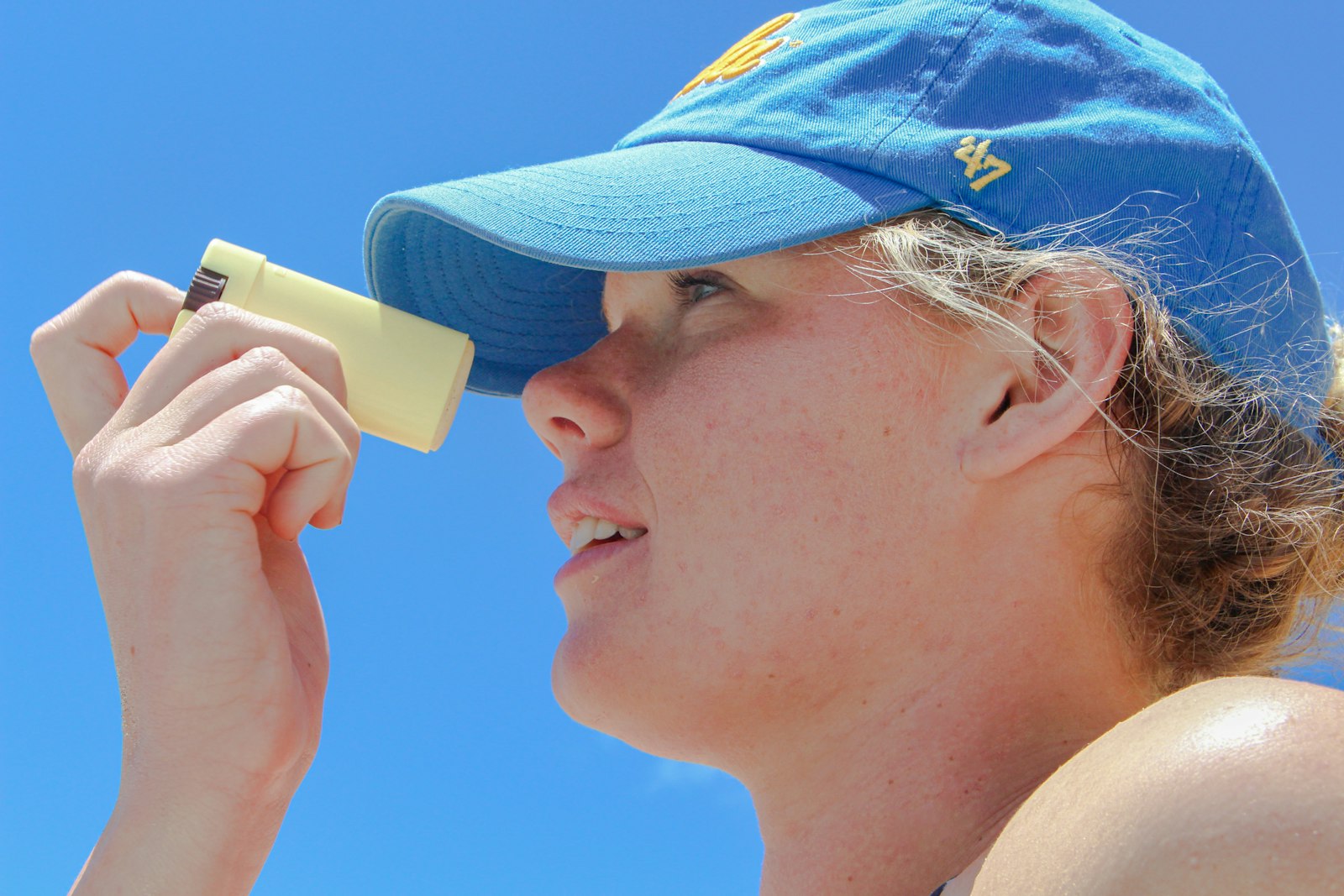
Treated skin is temporarily more sensitive to UV, so avoiding direct sun exposure and applying sunscreen diligently between sessions is one of the most important things you can do, particularly given the Maldives’ year-round strong sun. Unprotected sun exposure between sessions can also affect how safely and effectively the next session can be performed, since a tan changes the amount of pigment the laser has to work with. Where possible, plan sessions during a period when you can avoid intense sun exposure for a few days afterwards, and wear a broad-spectrum SPF 30 or higher on treated areas whenever they will be exposed.
What to avoid between sessions
Do not wax, pluck or use depilatory creams between sessions, since the laser needs the hair root intact to work effectively – shaving is the only appropriate hair removal method during your course. Also avoid hot showers, saunas, swimming in chlorinated pools or the ocean, and strenuous exercise for a day or two after each session, as heat, sweat and saltwater can all irritate freshly treated follicles. Fragranced lotions and deodorants on treated underarm or bikini areas are best avoided for 24 hours as well.
Beach and boat trips between sessions
Many patients in the Maldives want to keep swimming and enjoying the beach between sessions. This is generally fine once the initial 24-48 hour window has passed, provided treated skin is well covered with sunscreen and, ideally, light clothing during peak sun hours. If a session is scheduled soon, it is worth avoiding heavy sun exposure or a fresh tan on the treatment area in the days beforehand too, since this affects both comfort and how safely the laser can be used.
Why finishing the full course matters
Laser hair removal only affects hair in its active growth phase, which is why a realistic course is usually 6-8 sessions spaced four to six weeks apart. Stopping early, even if hair looks noticeably reduced, generally means some follicles were never treated during their active phase and will eventually regrow visible hair. Sticking to the recommended interval between sessions, and following the sun protection advice above throughout the whole course, gives the most consistent long-term reduction.
When to contact the clinic
Mild redness and follicle swelling that settles within a day is expected. Contact us if you notice blistering, unusual pain, colour change in the skin, or redness that worsens after 48 hours rather than improving, as these are worth checking rather than waiting out.
Still deciding what's right for you?
Get instant access to the full Treatment Guide, concerns, downtime, aftercare, and what to expect at your first visit.
Frequently asked questions
Can I go in the sun between sessions?
It is best to keep treated areas well protected with sunscreen and limit direct exposure, especially in the days immediately after a session and before your next one.
Can I shave between sessions?
Yes, shaving is fine and recommended – just avoid waxing, plucking or depilatory creams, which remove the hair root the laser needs to target.
Why do I still see some hair after a few sessions?
This is expected, since each session only affects hair that was in its active growth phase at that time – the full course addresses this over time as different follicles cycle through growth.
Can I swim in the sea the day after a session?
It is best to wait 24-48 hours before swimming in the ocean or a chlorinated pool, to let any irritation settle and reduce the risk of discomfort.
How many sessions will I need in total?
Most areas need around 6-8 sessions for a good long-term reduction, though this varies with hair colour, thickness and the area being treated.
Related reading: Nd:YAG Laser Aftercare: What to Do and Avoid · Laser Tattoo Removal in the Maldives: What to Expect
Sources & further reading
- American Academy of Dermatology: laser hair removal
- American Academy of Dermatology: Laser hair removal overview
- DermNet: Lasers in dermatology
If you notice anything unusual after a session, send a photo on WhatsApp and Dr. Alaa will advise you directly. You can also read more here: laser hair removal treatment page, Laser hair removal and tanned skin: is it safe?, Skincare in the Maldivian sun, or get in touch.
Mahmoud Mohamed Samir is a digital marketing specialist at BrightSeen Marketing Agency, the agency that runs this clinic’s Google search and AI search visibility (SEO and GEO), Meta Ads and website. Medical content is reviewed by Dr. Alaa Zidan.
This article is for educational purposes and is not a substitute for personal medical advice. To discuss your skin and treatment options, please book a consultation.
Have a question about this?
Send a photo and a short note on WhatsApp for an honest treatment recommendation from Dr. Alaa.